Everything I own fits in a Honda CR-V Hybrid. I want you to understand what that means before we talk about shoes. It means every piece of gear in my kit has earned its spot. It means I've returned more backpacks than I've kept. It means that when something proves itself on trail, I notice — and when something fails me, I notice that too.
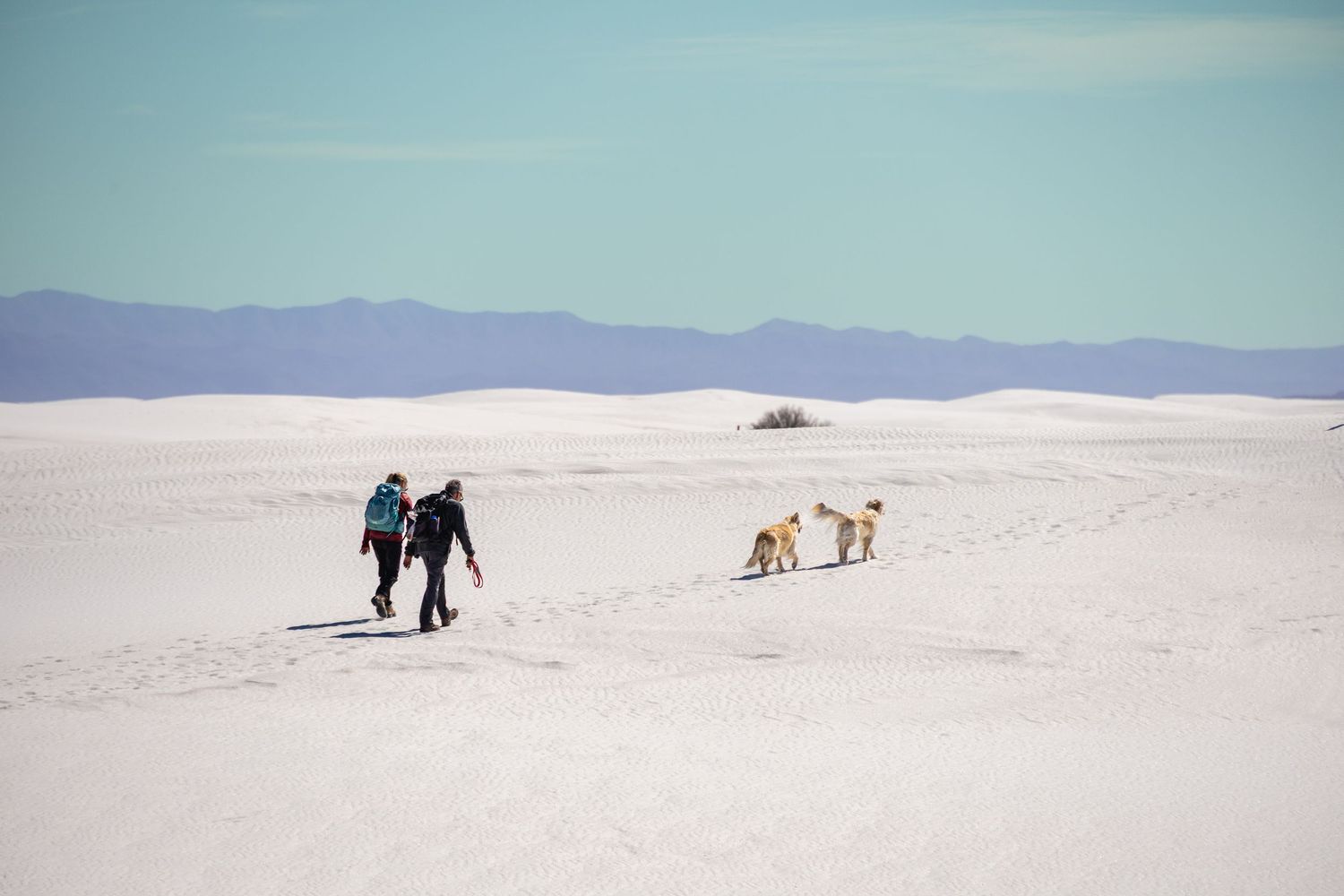
My shoes failed me at White Sands National Park.
I'd worn the same brand of hiking shoes for at least a decade. They were my default, my comfort zone, the shoe I packed without thinking when I left Florida six months ago on a solo cross-country journey documenting America's trails by car, foot, camera, and keyboard. Somewhere on the desert floor of White Sands, that impossible landscape of gypsum dunes so white they look like snow, the treads fell apart. Not a slow deterioration. Just done.
I continued my journey with limited shopping options — and a tube of super glue.
This Should Work
I had hiking plans and optimism, and the glue was already in the car. Shoe treads are made of a non-porous material, right? This should work. I applied glue generously and clamped the shoes overnight.
Several days later, I met my friend Natalie for a hike through Ladder Canyon and Painted Canyon Trail.
Natalie was dealing with her own shoe problem — hiking shoes that were putting too much pressure on her toes on the downhills. We talked shoes for the last mile of the Painted Canyon hike. My conclusion was this: a well-designed shoe distributes your weight properly on the descent instead of pitching everything forward onto your toes.
It Didn't Work
We still had more in us and added the Rope Canyon Trail. It was about halfway through that stretch that I looked down and confirmed a truth that may be valuable to any hikers reading this: super-gluing your shoe treads back together does not work.
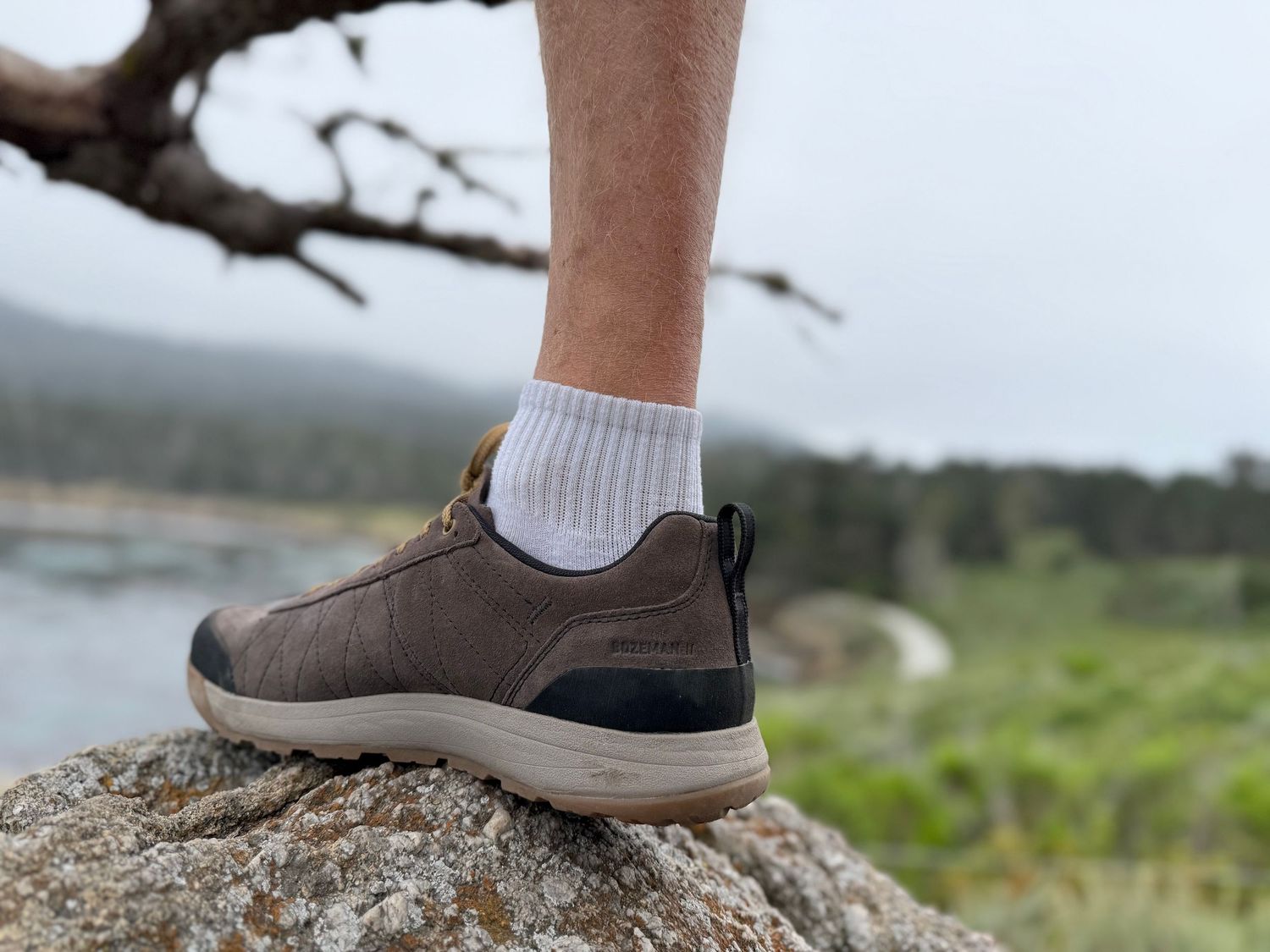
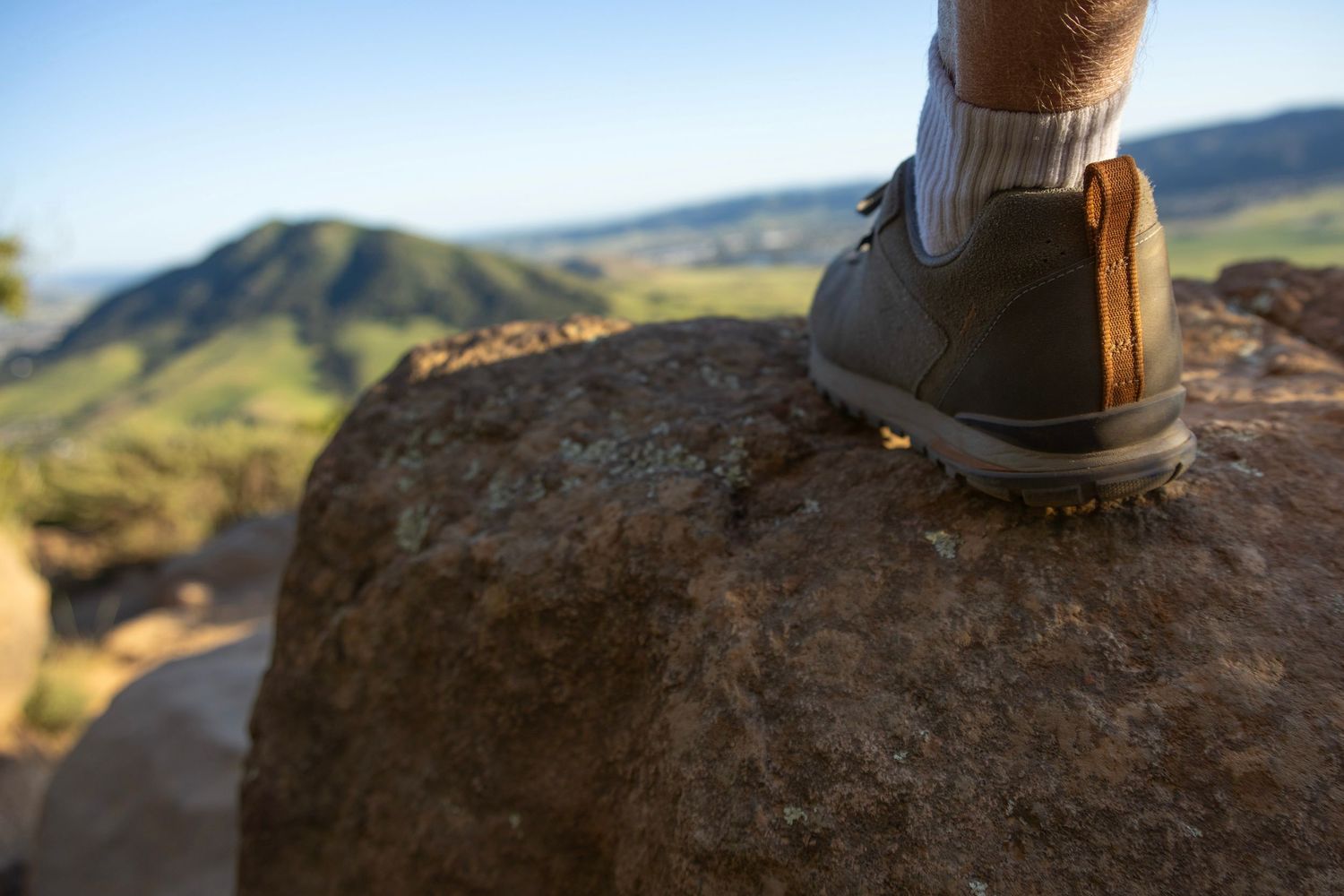
Now I truly needed new shoes. I found a small outdoorsy store and tried on nearly every shoe they had. That conversation about fit and weight distribution was fresh in my mind. Ultimately, I rolled the dice on a brand I'd never tried. I walked out of the store with a pair of Oboz Men's Bozeman Lows.
Oboz Men's Bozeman Low
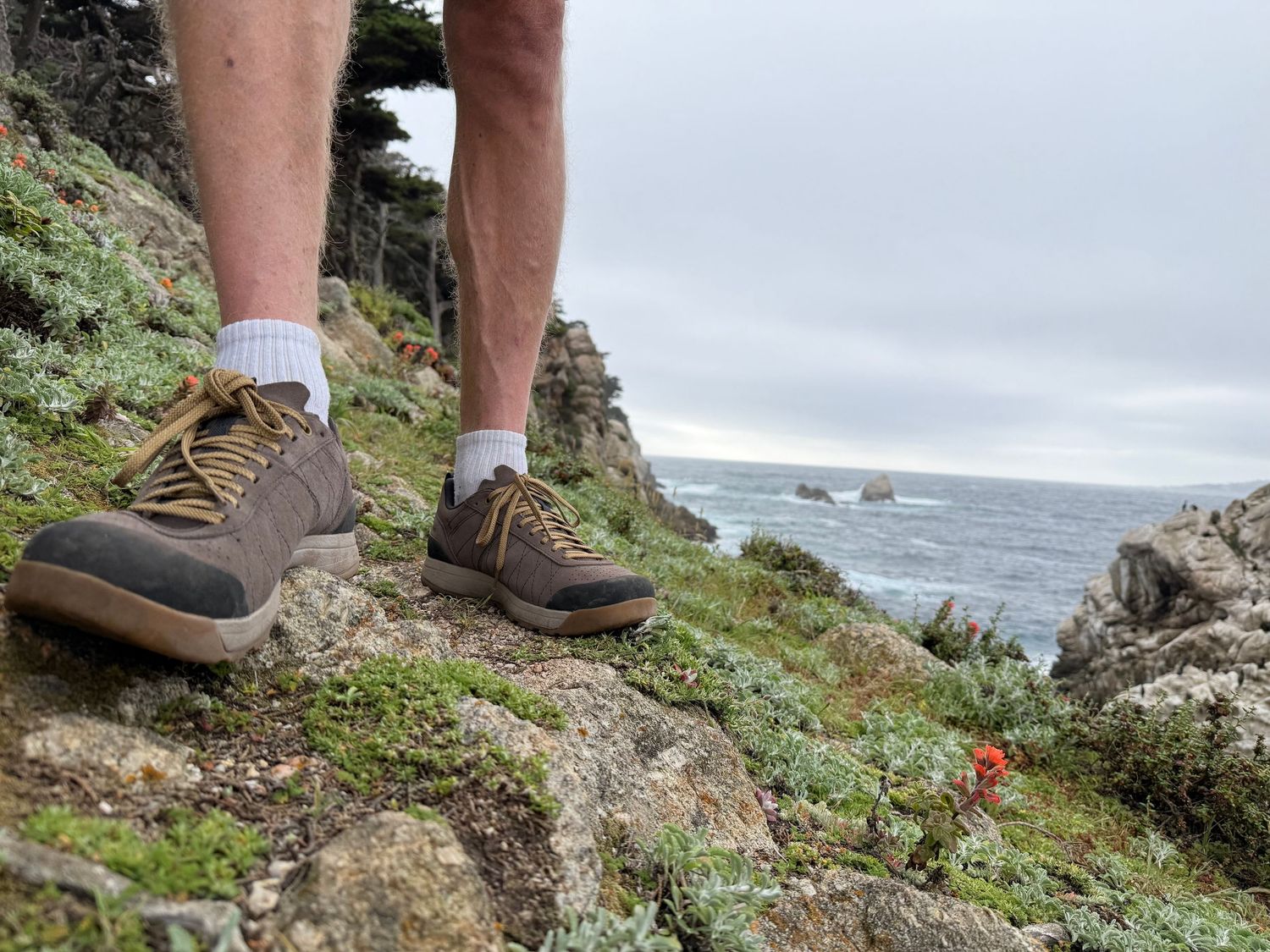
That was ten weeks ago. I've hiked hundreds of miles since then — in one pair of Oboz.
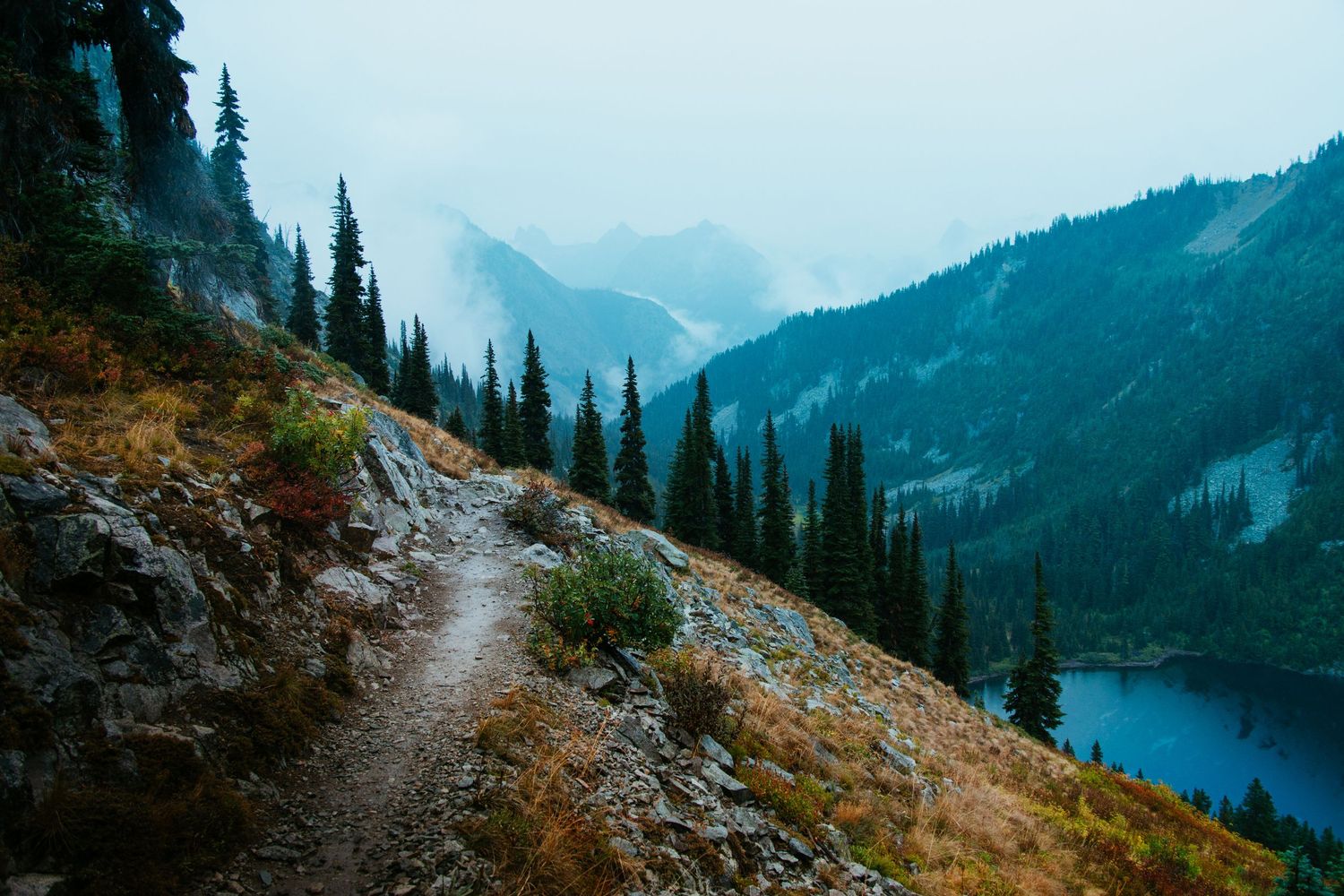
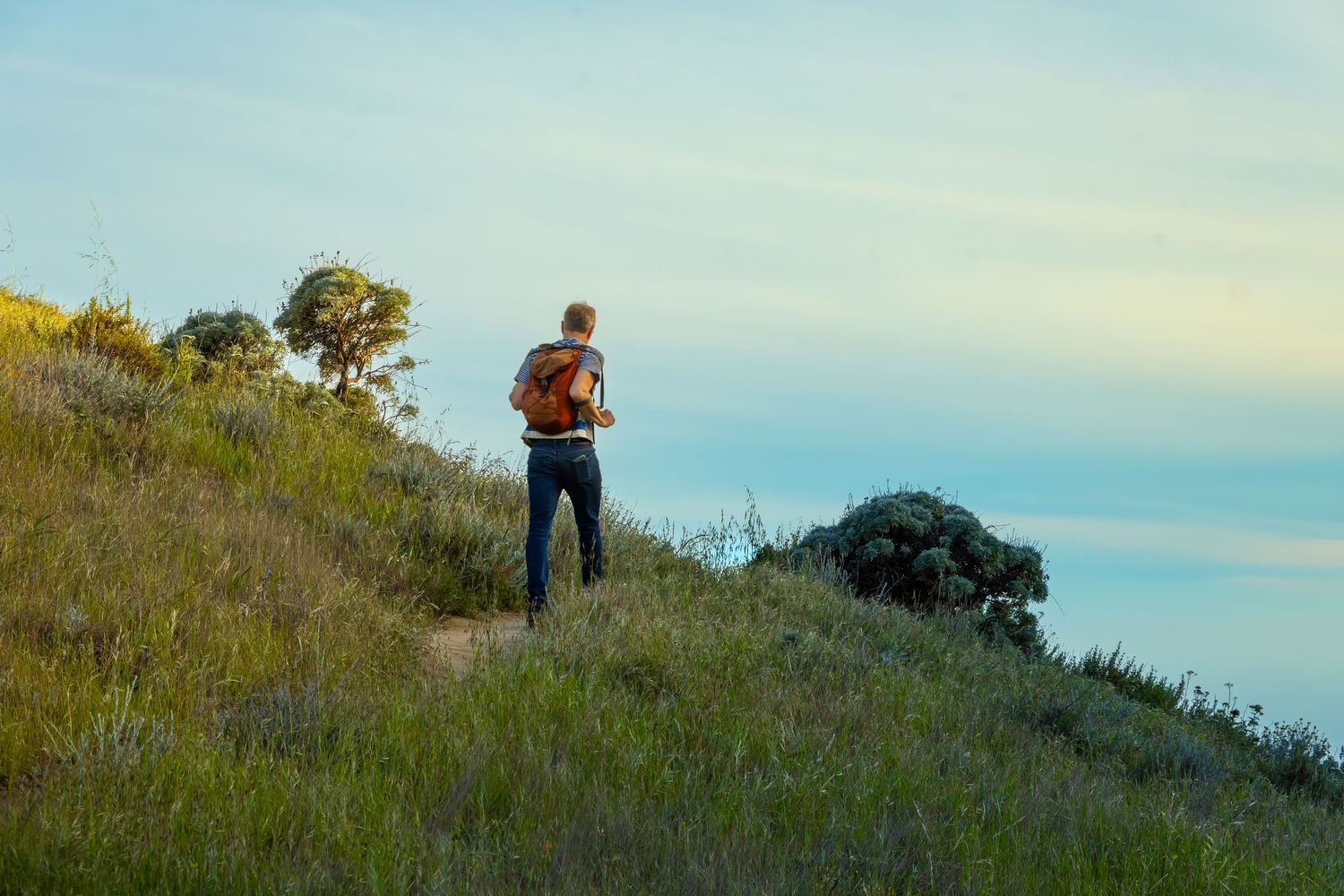
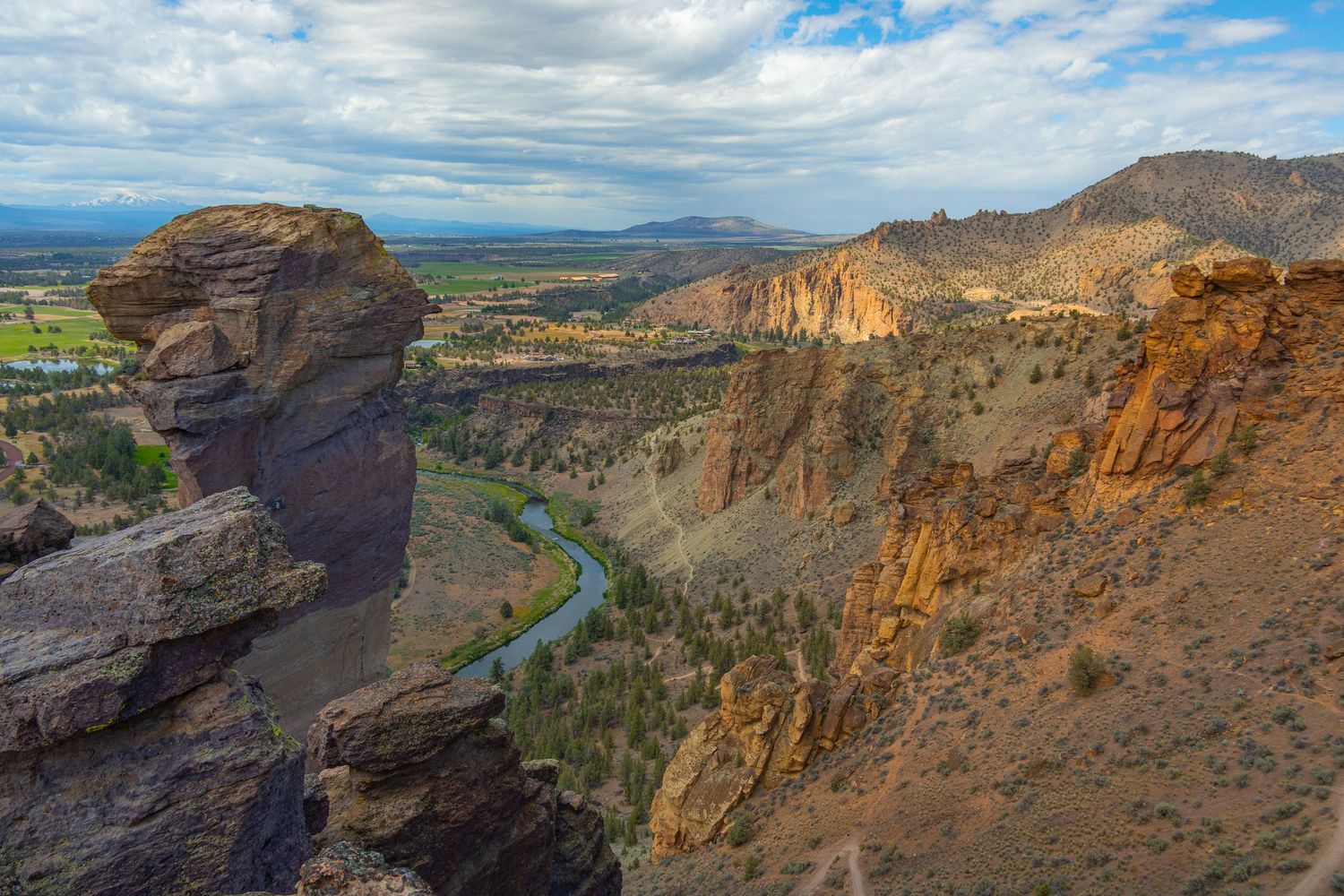
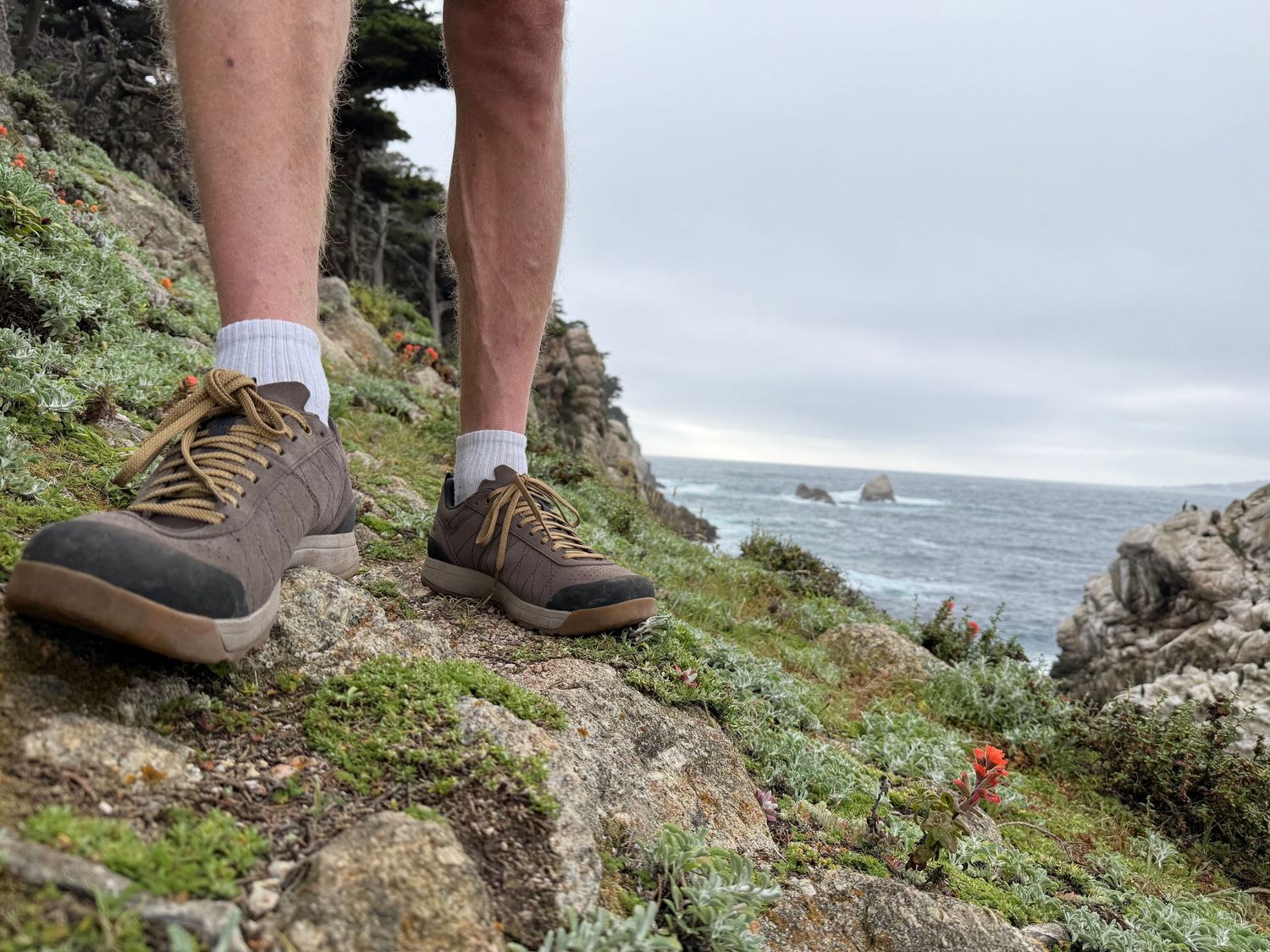
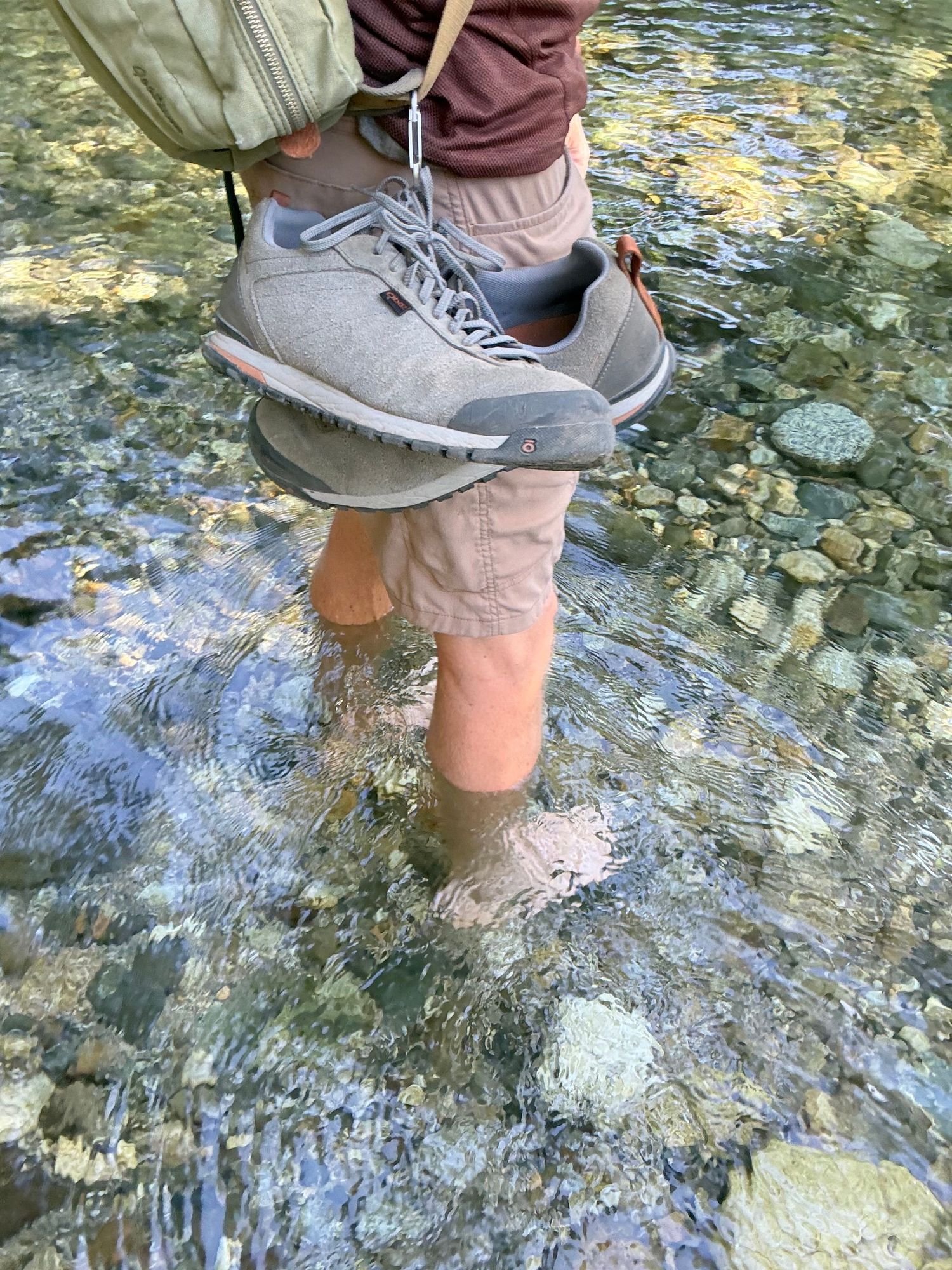
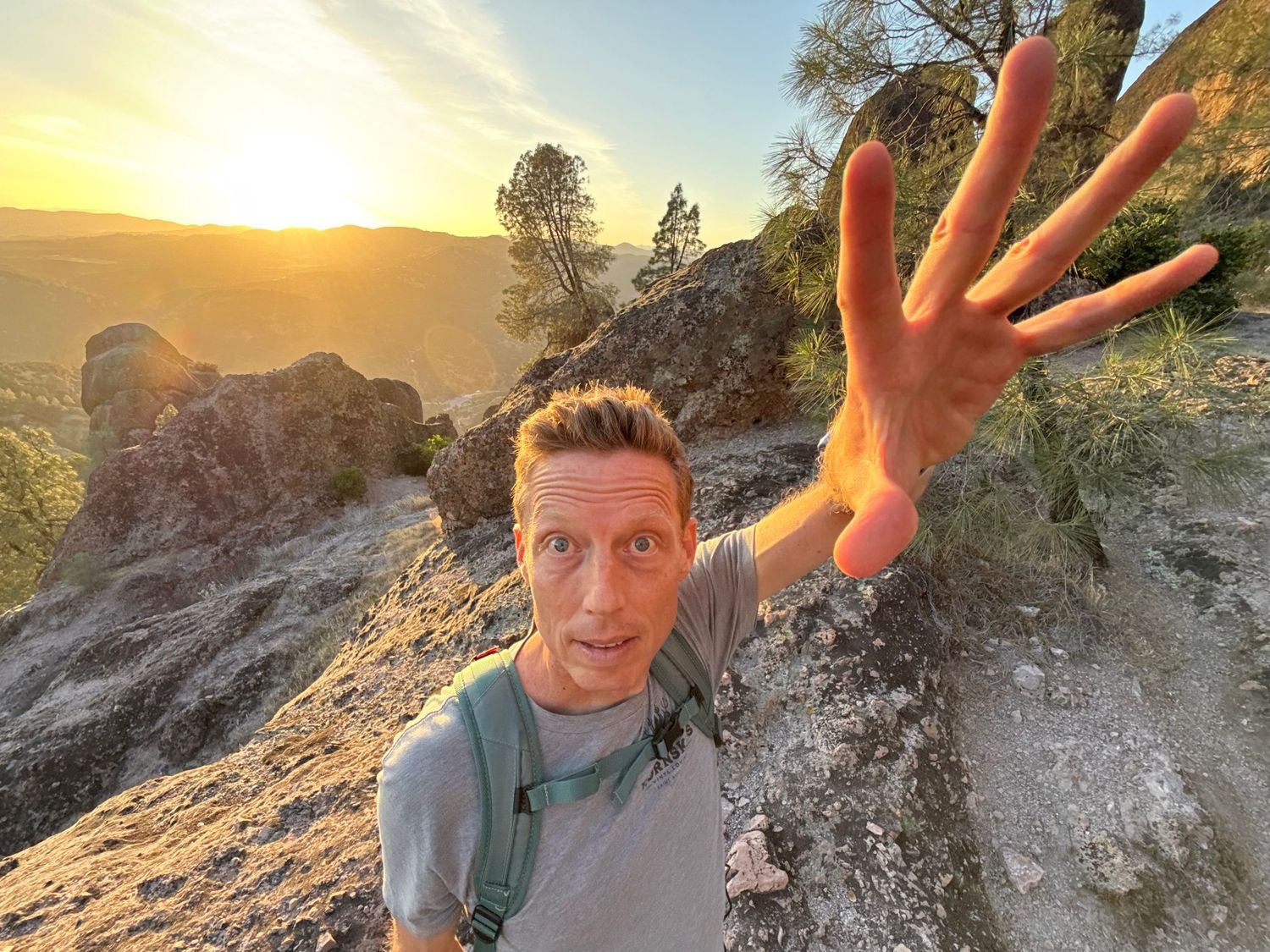
My Oboz hiking shoes have covered the 100-degree desert floor and surrounding hills of Palm Springs, explored the snow-covered alpine forest of San Jacinto Mountain at 10,000 feet, scrambled through the wild rocky playgrounds of Joshua Tree National Park, summited every hikeable volcanic peak in the Nine Sisters chain above San Luis Obispo, hiked every bucket list trail along the Big Sur Coastal Highway, looped Point Lobos, and crossed Pinnacles National Park end to end through the High Peaks (12 miles, 3,500 feet of gain). That's quite a resume for one pair of hiking shoes.
A Few Things I've Noticed Along The Way
These shoes are lightweight in a way I didn't expect from a hiking shoe. And they breathe.
The Bozeman II Low has noticeably more shoelace eyelets than a typical hiking shoe. I think that's part of what makes the fit so precise (and protects my toes!). My feet are an anomalous shape. These shoes found that shape and matched it. After a decade of just making Merrells work, that was a revelation.
After hundreds of miles across ecosystems from sea level to 10,000 feet, these shoes are caked in good dirt — magnificent dirt! They contain multitudes. And they are still structurally perfect. My feet feel great.
Back to Civilization
But today I found myself at the beacon of civilization for the uncivilized: REI. I toured the full spread of shoe brands carefully organized on their walls, and found myself gaping at the Oboz Bozeman Low II, a variation of the shoe I've been looking down at for the last few months of hikes. It was, to my eyes, the most beautiful shoe there.
An employee, Jared, saw me staring and started chatting with me about local hikes. We compared notes on The Soberanes Loop, and he recommended I hike the Timber Top and Boronda Trail next (will do!).
Then Jared told me a story.
Years ago, he had been at industry event. Outdoor brands get to have industry events outdoors, and that's what this was. One night, while sitting around a fire, a stranger asked him what he does, and he explained he manages an REI location. He politely asked what she does.
"I'm the new CEO of Oboz."
He leaned forward and asked, "What's the hardest part of your new job?"
"Finding land to plant trees," she said.
Oboz Footwear has planted a tree for every pair of shoes sold since their founding in 2007. I love that. Brand matters to me. Environmental responsibility matters to me. This brand promise is the kind of push that makes buying decisions easier for me and makes me more than just a customer. I'm a fan now.
I left REI with a new pair of Oboz Bozeman II Lows—size 12. I can't wait to lace these up and hit the Timber Top and Boronda Trail.
I didn't seek out Oboz. Oboz found me, in a town with limited alternatives, at a time when I needed a solution. And when I had options again — I still came back for more Oboz. This is not a sponsored post. That's just what happened.
I'm a convert. And I just found the Bozeman II in yellow on their website. I might need those too.
This article and all photos herein: © Brian Gundersdorf, 2026. All rights reserved. For licensing or partnership inquiries, contact Brian Gundersdorf.
About The Author:
Brian Gundersdorf is a creative director and brand journalist on a solo cross-country journey documenting America's landscapes, trails, and coastlines by car, boot, camera, and keyboard. He's looking for the outdoor brand or agency partner that wants to make this journey theirs.
When he isn't hiking volcanic peaks in the rain, Brian serves as creative director at Bruck Marketing. He's spent 25 years producing brand identity, graphic design, photography, digital products, and messaging strategy for brands from Fortune 100 companies to scrappy startups.