Everyone has a plan until they fly across the country and wake up in an unfamiliar town the day of a big hike.
I found the best breakfast spot the little town of Marblemount, WA had to offer. I got a larger coffee than I normally would and justified it to myself as “travel recovery.” They had a bottled fruit smoothie that I grabbed for the road, because it looked healthy.
My destination was the Cascade Pass trail at North Cascades National Park. For the next ten days, I'd get to do my favorite thing: hike the world's most beautiful landscapes. I'd brought my camera, and I hoped to capture some of Washington's wildlife in action.
North Cascades National Park
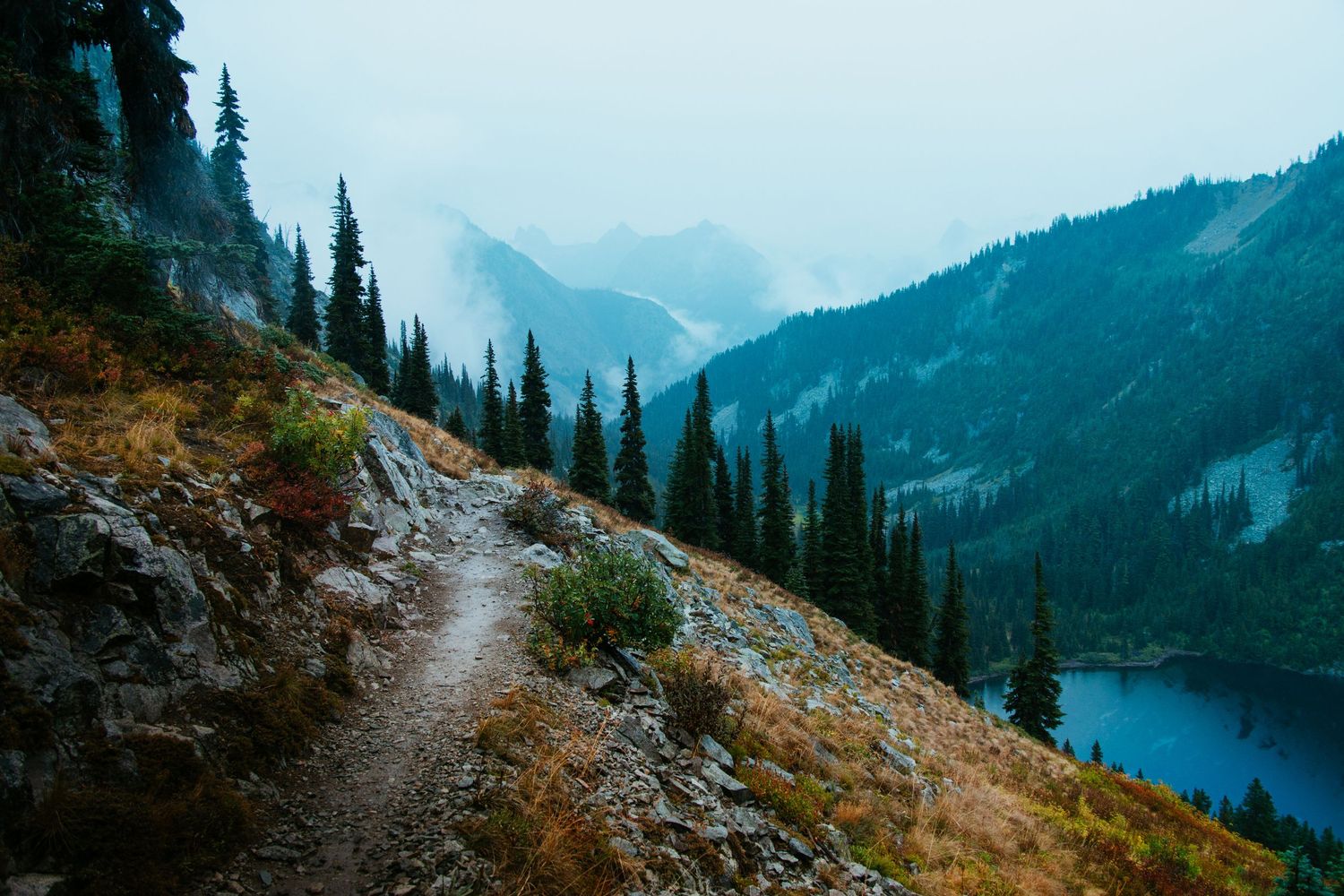
North Cascades is one of the most beautiful parks in the United States — and one of the least visited, in part because it's so remote. To reach Cascade Pass, you first drive through Mt. Baker-Snoqualmie National Forest on Cascade River Road, a gravel slip-and-slide with potholes that seems specifically designed to test your commitment. When you finally arrive at North Cascades National Park, there's no fanfare. Just more gravel road, dead-ending at a trailhead.
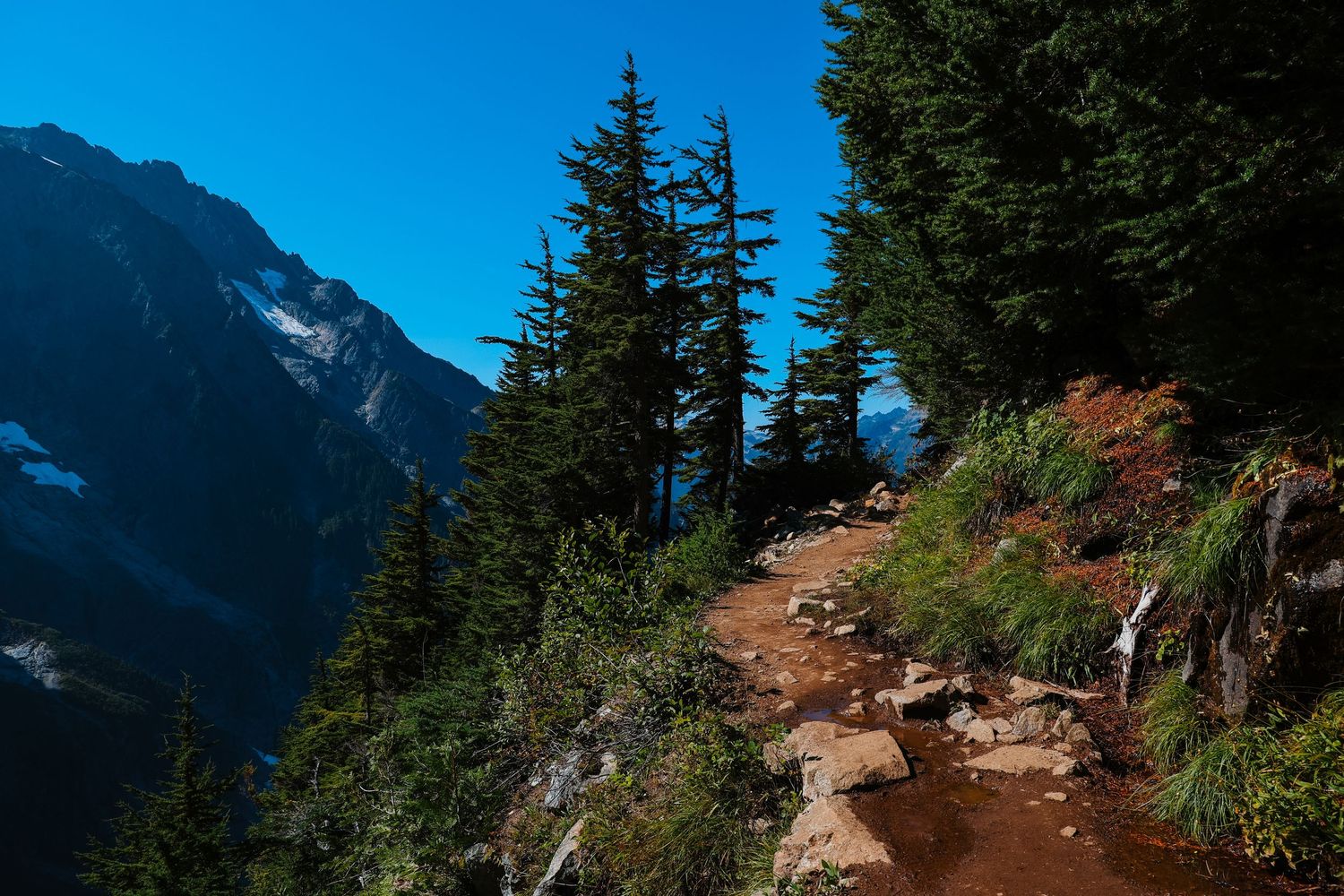
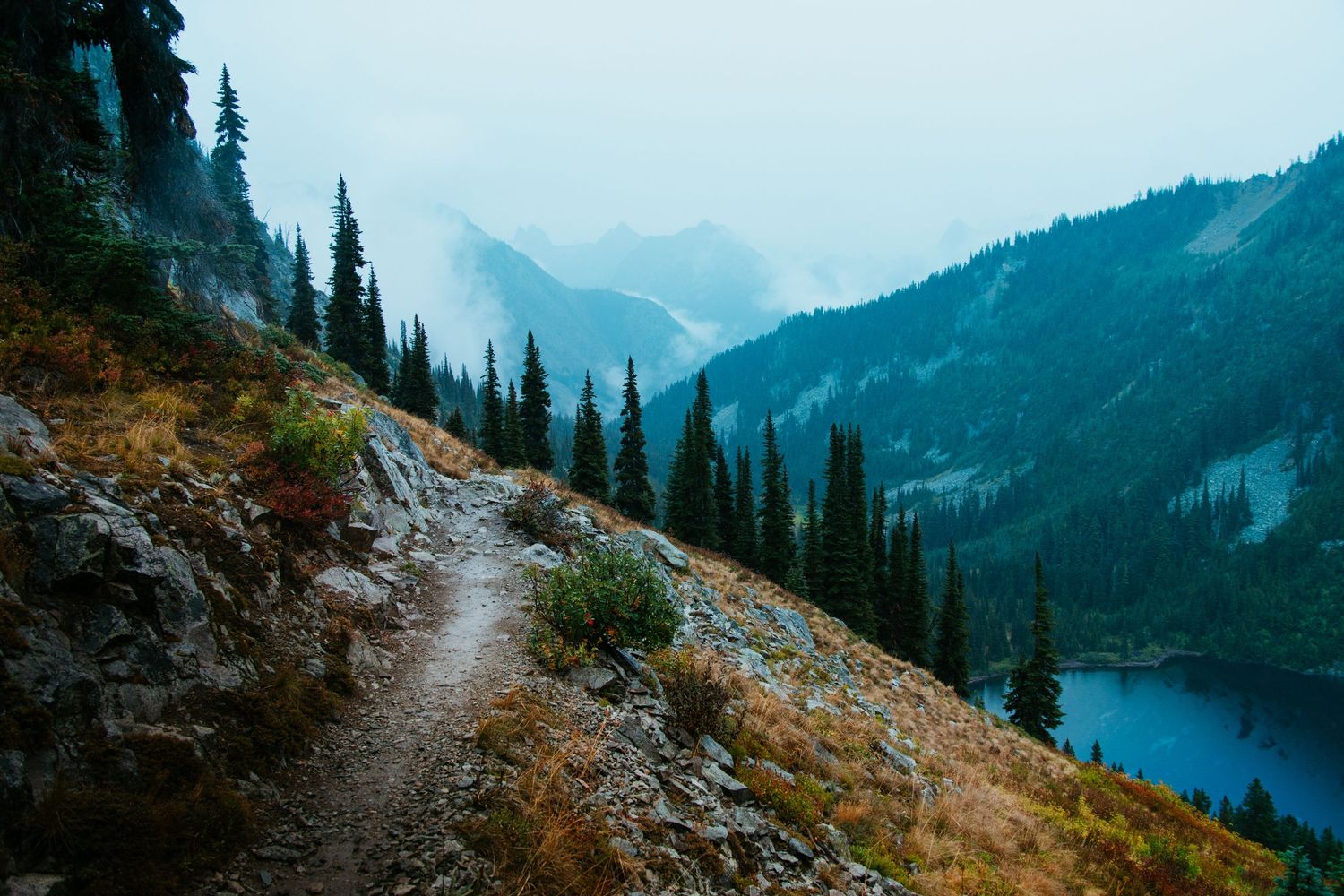
The trail starts with 2.5 miles of switchbacks through Douglas-firs, Western hemlocks, and Western red cedars. Up, up, up. It was my first real hike in a month, and I loved the grind. I took stock of my condition: "body feeling good," I actually said out loud — not noticing the crew of hikers just behind me.
I continued to feel great for another quarter mile. And then I didn't.
The Top of The Middle of Nowhere
In atrial fibrillation, the atria fire rapidly because multiple errant electrical impulses start circulating chaotically through atrial tissue. Instead of one clean signal from the heart's natural pacemaker, many smaller circuits fire at once. That's what was happening in my body at 5,400 feet of elevation in the most remote location I'd ever been to in my life. My blood pressure dropped. My pulse skyrocketed. I found my way to the ground, crawled to a patch of shade, and propped myself up against a rock. My pulse settled into a 155 bpm rhythm — more like a drum solo than a groove. And my atrials vibrated like the wings of a hummingbird.
I Knew What It Was
I'd had AFib before — but only during extreme exertion, and never while hiking. Never while simply walking uphill through trees. I hadn't expected it here. But I was prepared for it. I had medicine with me: Diltiazem. I took four 30mg pills and waited. When I'm lucky, the meds do their job in forty minutes. When I'm not lucky, it can take hours.
I looked at the AllTrails map. I could tell I was close to Cascade Pass, but I couldn't tell if I was close enough to crawl to, which was all I had in me. So I waited. Other hikers made polite conversation with me as they passed by. They had no idea I was working through a series of breathing exercises, internally scolding myself for my breakfast decisions, worrying about whether I’d get to hike on days two through ten of this trip, and wondering whether a medical helicopter would even fly to a spot like this to rescue me if I needed it.
But forty minutes passed, and I was lucky. The Diltiazem worked.
I felt exhausted and unsteady, but my heart rate was under 100 bpm. I got up slowly and continued on — sloth-like. Cascade Pass, it turned out, had been twenty feet away from me through the entire forty-minute ordeal.
I walked to the ridge one cautious step at a time. Slow deep breath.
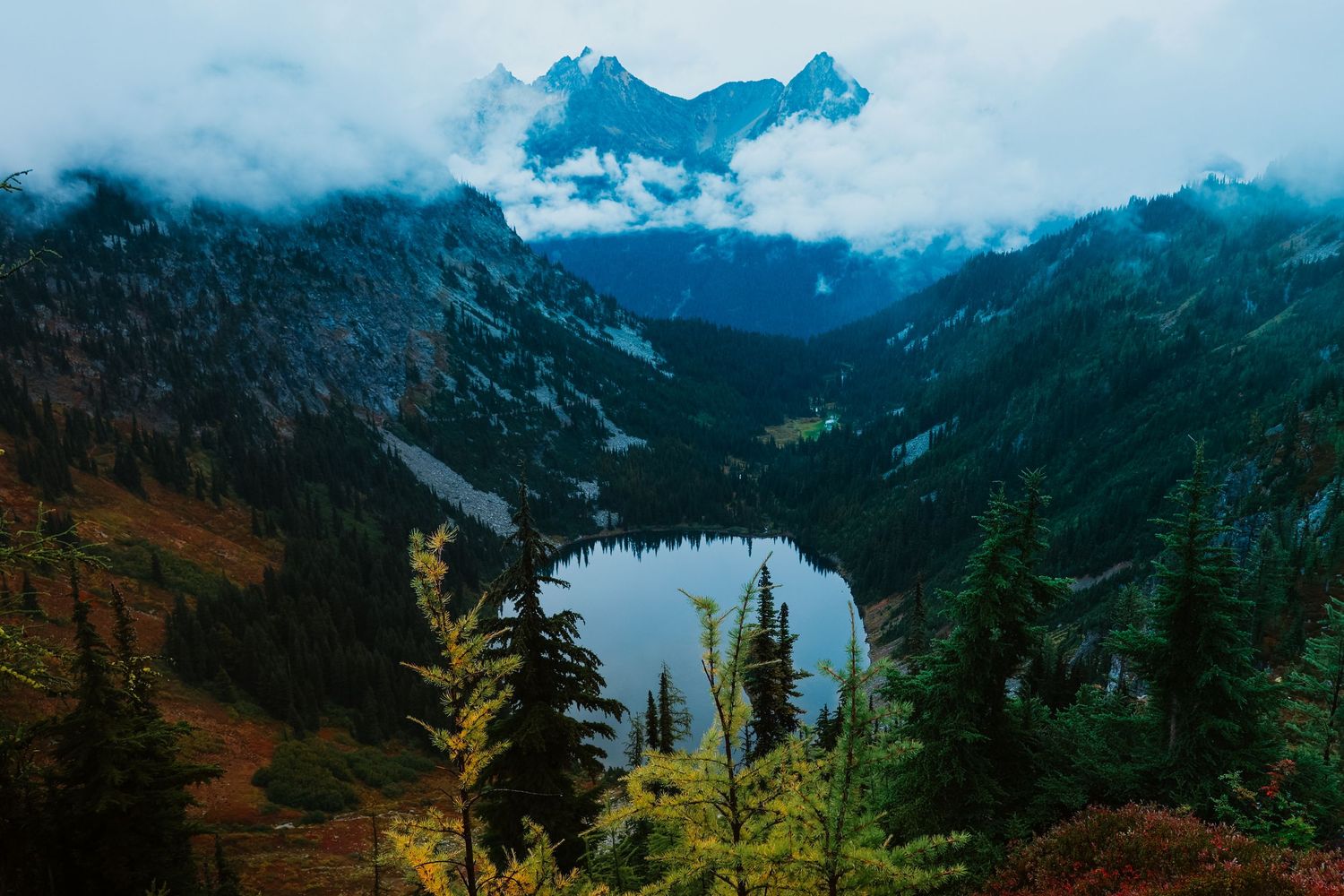
A gorgeous vista stretched out before me. Slow deep breath.
I took in Johannesburg Mountain, Sahale Arm, and the Stehekin Valley. Slow deep breath.
There's a viewing area on the ridge with a bench. I was eager to sit again. Slow deep breath.
I walked to the bench. Slow deep breath.
I sat down, cautiously, next to a woman in her forties with pink hair. Just as I landed on the bench, she shot up off of it and yelled:
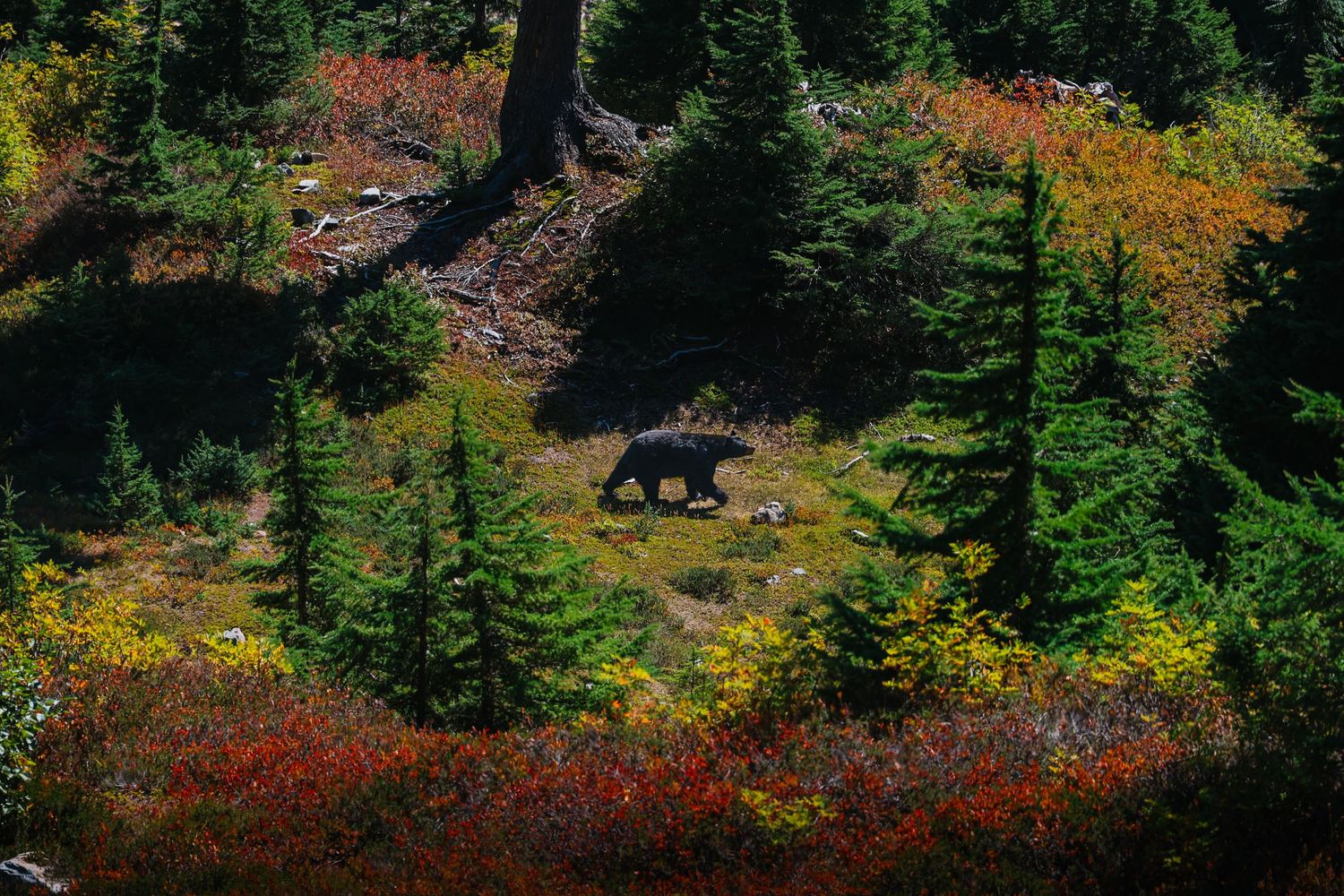
"Oh my god! There's a bear!"
The Bear
There are obvious reasons to panic when a bear is nearby. I did not panic for those reasons. I was not afraid of being eaten. I was afraid of being excited. I was willing away the adrenaline. I was like Bruce Banner trying to keep the Hulk at bay.
And I was quietly furious that I had stowed my camera in my backpack. I dismounted the pack. I was still sloth-like, but now I was the most focused, purpose-driven sloth ever in history. I unholstered my camera and got the shot.
Me and The Bear
My bear photo won't win any awards. But it means something to me every time I look at it. I feel the whole experience all over again. You don't see me in this photo, but I do. It's a self-portrait: Me and The Bear.
Figuratively, the bear is my life passing before my eyes — not for fear of being eaten, but for fear that it might not be safe for me to take on hikes like this anymore. And hikes like this are my life plan.
My Best Practice List
I was relieved to learn that none of my doctors wanted me to stop hiking. They all encouraged moderate exercise and some simple diet adjustments. They encouraged me to create a best-practice list. I did.
It took six months and hundreds of miles of hiking to rebuild my confidence — starting on flat trails, working up to elevation, learning my body's signals well enough to trust them again. I have not gone into AFib while hiking since that episode on Cascade Pass. I intend to keep it that way.
I'm not a doctor, and this isn't medical advice. AFib manifests differently for everyone, and even your doctor likely won't be able to tell you exactly what will work for you. What I'm sharing is my own best practice list — protocols that seem to work for me.
My advice is simply this: have a list. Know your triggers. Give yourself the best odds before you ever hit the trailhead.
1. No ambitious hikes on the first day after a long flight.
Flying is harder on the body than it looks. Airplane cabin pressure is typically maintained at the equivalent of 6,000 to 8,000 feet of altitude — meaning before you've taken a single step on trail, your body has already spent hours in a mildly oxygen-deprived environment. Add in extremely low cabin humidity (usually 10 to 20 percent, compared to a typical 30 to 60 percent on the ground), and you land dehydrated and altitude-stressed without realizing it. I now give myself at least one full day to rehydrate and recalibrate before a serious hike. My ten-day Washington trip started with a hike on day one. It showed.
2. No alcohol the day before a long hike.
Alcohol is one of the most well-documented AFib triggers — so well-documented that cardiologists have a name for alcohol-induced episodes: "holiday heart syndrome." Even moderate drinking affects the autonomic nervous system, which regulates heart rhythm, and causes dehydration that compounds the problem the next morning. One drink the night before a big hike isn't worth it. I've made my peace with this. Mostly.
3. Be careful with coffee.
This one is more nuanced than it used to seem. A 2021 study in JAMA Internal Medicine found that habitual moderate coffee consumption may actually be associated with lower AFib risk in the general population. The issue isn't the daily cup. It's the acute spike — a larger-than-usual coffee on a travel day, chased by a sugary fruit smoothie, before a demanding hike. That combination was almost certainly a factor in my Cascade Pass episode. I've cut my intake in half and stopped treating travel days as a reason to upgrade my order.
4. No sugary drinks before or during hikes.
Blood sugar spikes cause insulin surges, which affect electrolyte balance — particularly potassium and magnesium, both of which play a direct role in the heart's electrical function. When those levels shift, the conditions for an arrhythmia improve. I now use sugar-free electrolyte drinks exclusively. The colorful fruit smoothie from the hotel lobby is no longer part of my pre-hike routine, no matter how healthy it looks or how late I'm running.
5. Sleep matters more than I wanted to admit.
Sleep deprivation elevates cortisol and disrupts the parasympathetic nervous system activity the heart relies on for recovery. Research also shows a strong association between sleep apnea and AFib, in part because repeated overnight oxygen drops stress cardiac tissue over time. Late arrivals followed by early alpine starts used to feel like a badge of honor. They don't anymore.
6. Know your maximum heart rate — and respect it.
I've set a personal ceiling for hiking exertion. When I approach it, I stop and do slow, deep breathing until my heart rate drops by at least 20 BPM before continuing. Deep diaphragmatic breathing activates the vagus nerve, which plays a direct role in regulating heart rhythm — vagal maneuvers are actually used clinically to treat certain arrhythmias. My version is less clinical: I stop, breathe, and look at the view. There are worse ways to spend a few minutes on a trail.
7. Choose Meal Times Carefully
Digestion raises your heart rate — your body diverts significant blood flow to the gut after eating, which increases cardiac demand at exactly the moment you want things calm. For someone with AFib, stacking a steep climb on top of an active digestive system is an unnecessary additional load on the heart. I now give myself extra time between a substantial meal and any serious elevation gain. On long hiking days, I eat lighter and more frequently rather than starting the trail full. It's a small adjustment that removes one more variable from an already complex equation.
8. Know Your Physical Triggers
For me, jumping, ducking, and quick upward movements spike my heart rate. I need to be cautious not to stack those actions on top of an already elevated heart rate.
9. Beware of High Altitude, Heat, and Humidity
These three factors increase heart rate. With heat, it feels intuitive. With humidity and elevation, it can easily sneak up on you. Be careful not to stack other triggers on top of these three. They are biggies.
What Now?
I'm currently on a solo cross-country journey documenting America's landscapes, trails, and coastlines by car, foot, camera, and keyboard. If you're hiking with AFib, I'd genuinely like to hear what works for you. The list above is mine. Yours might be different. Either way, build it and live by it.
This article and all photos herein: © Brian Gundersdorf, 2026. All rights reserved. For licensing or partnership inquiries, contact Brian Gundersdorf.
About The Author:
Brian Gundersdorf is a creative director and brand journalist documenting America's landscapes, trails, and coastlines on a solo cross-country journey by car, foot, camera, and keyboard. His work is narrative-driven, reported, and photographed.