The Goats of Hidden Lake
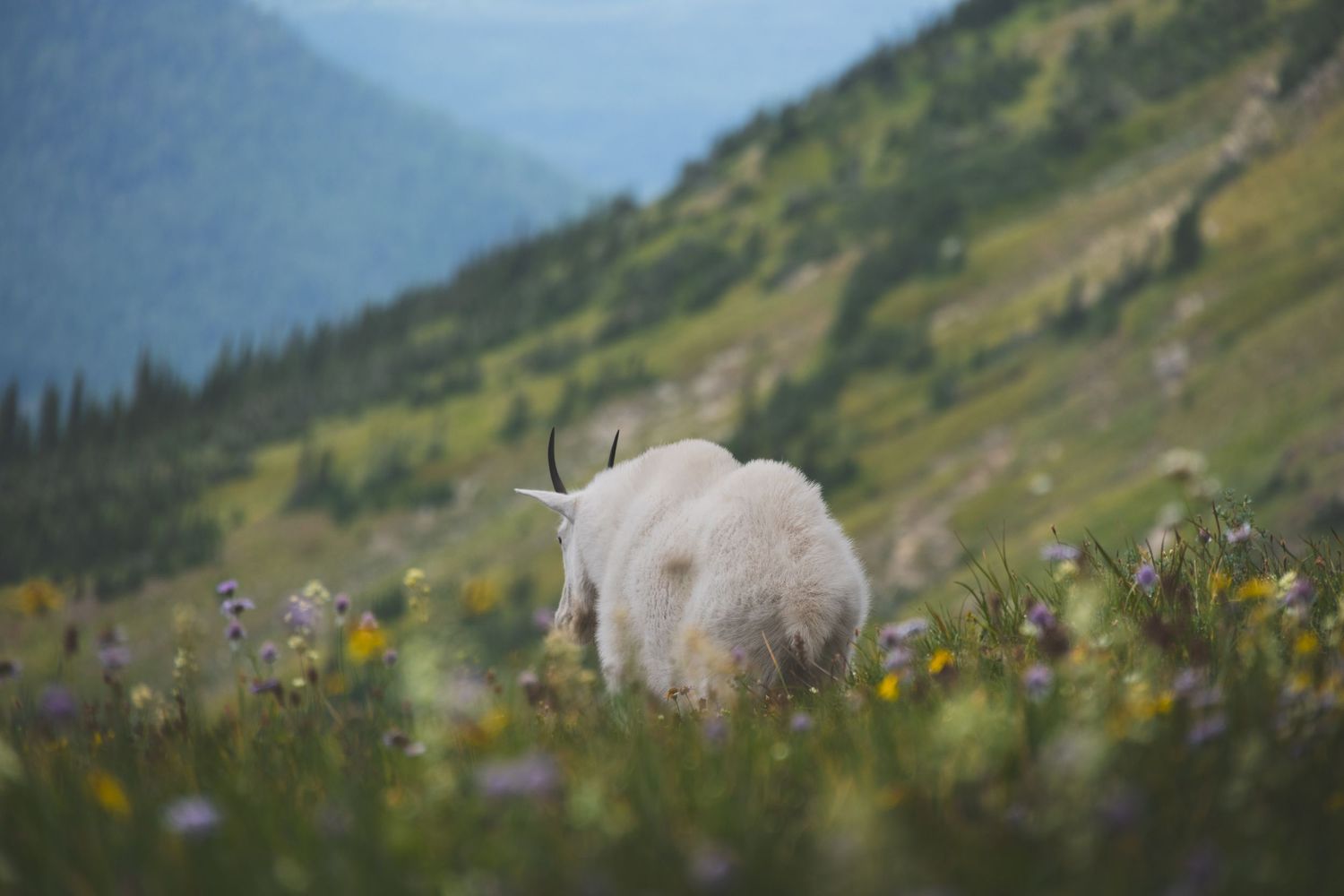
Mountain goats are Glacier National Park's official mascot. They're on the logo, t-shirts, bottles, badges, stickers and hillsides. My love for them has always been comprehensive. Now it's well documented.
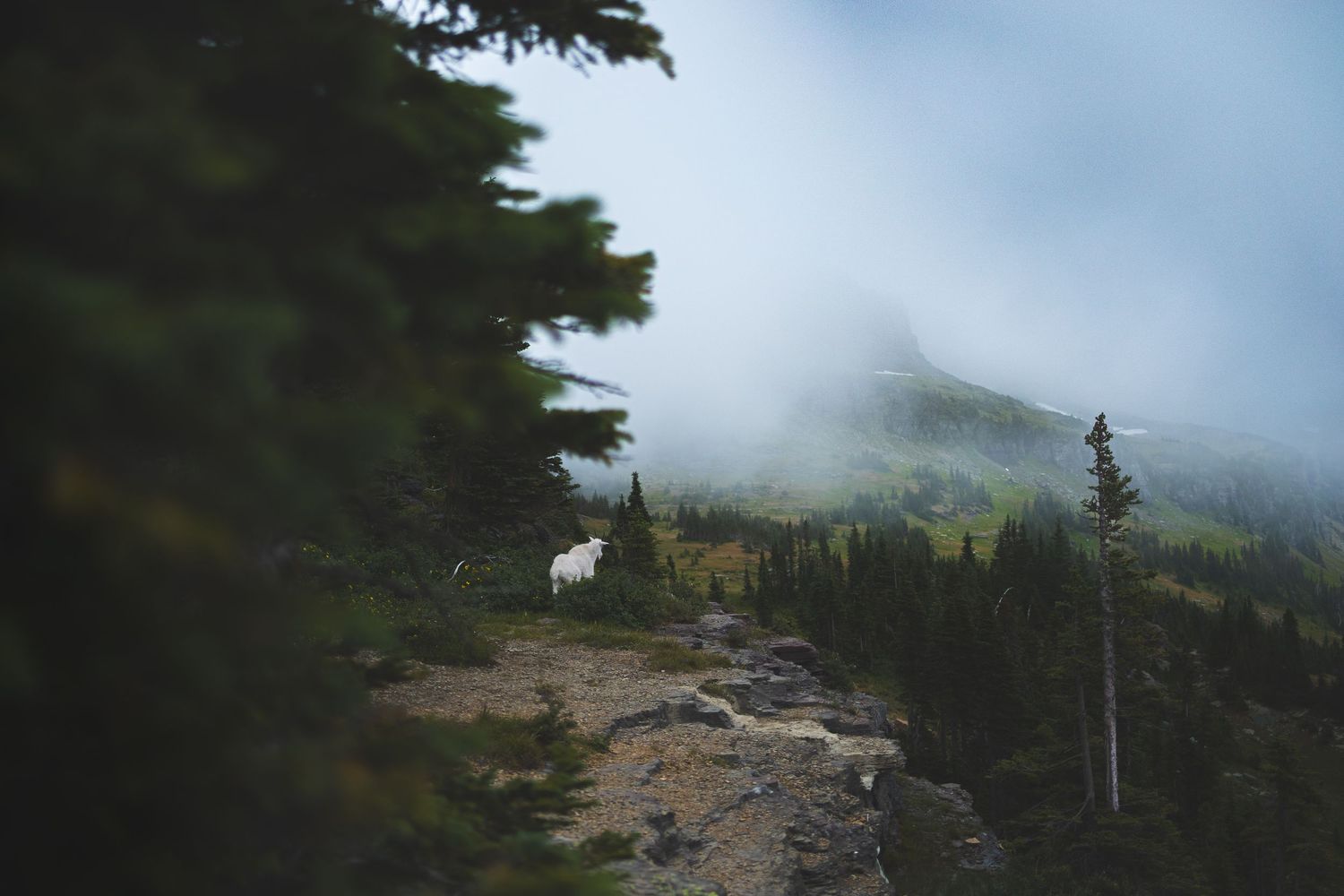
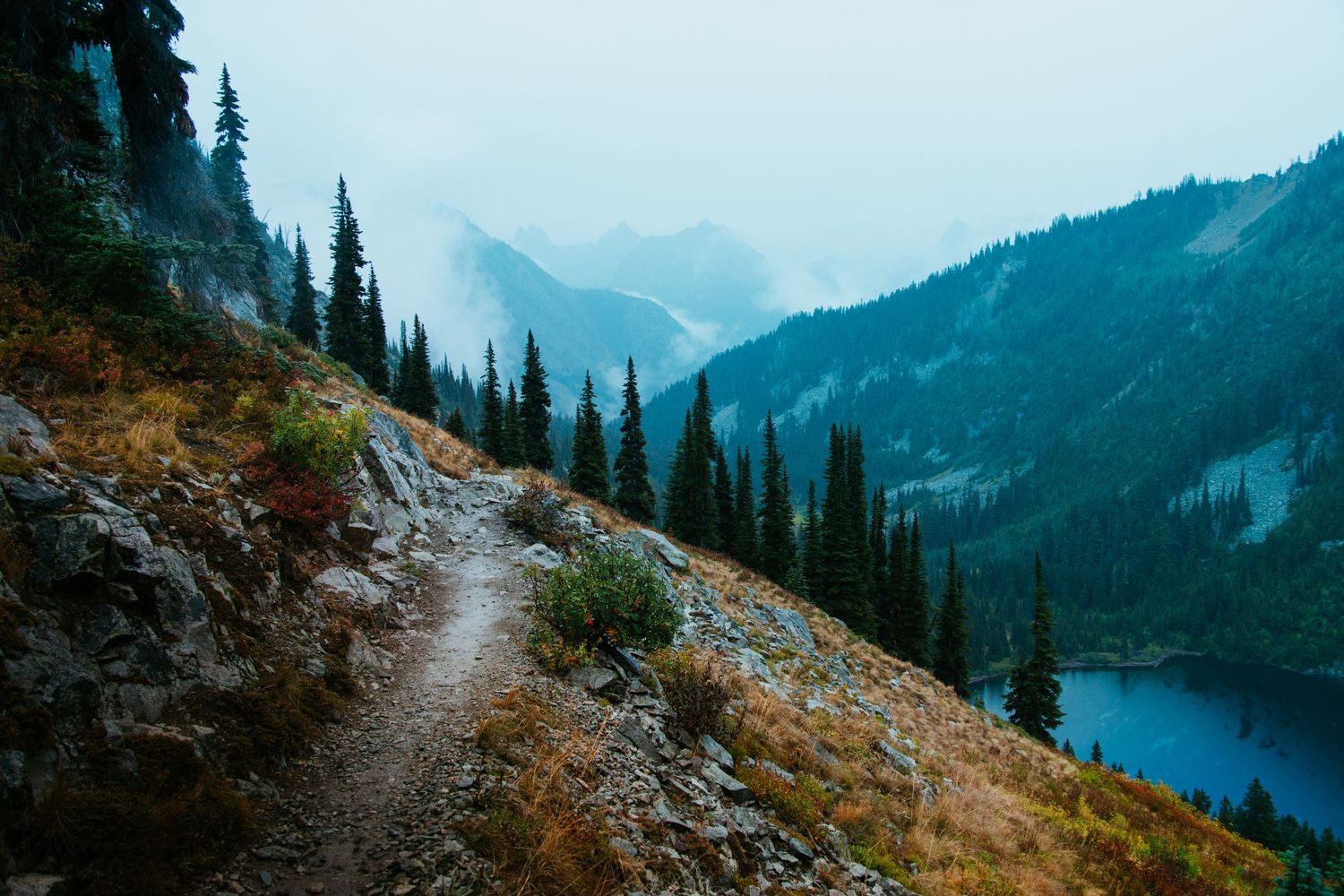
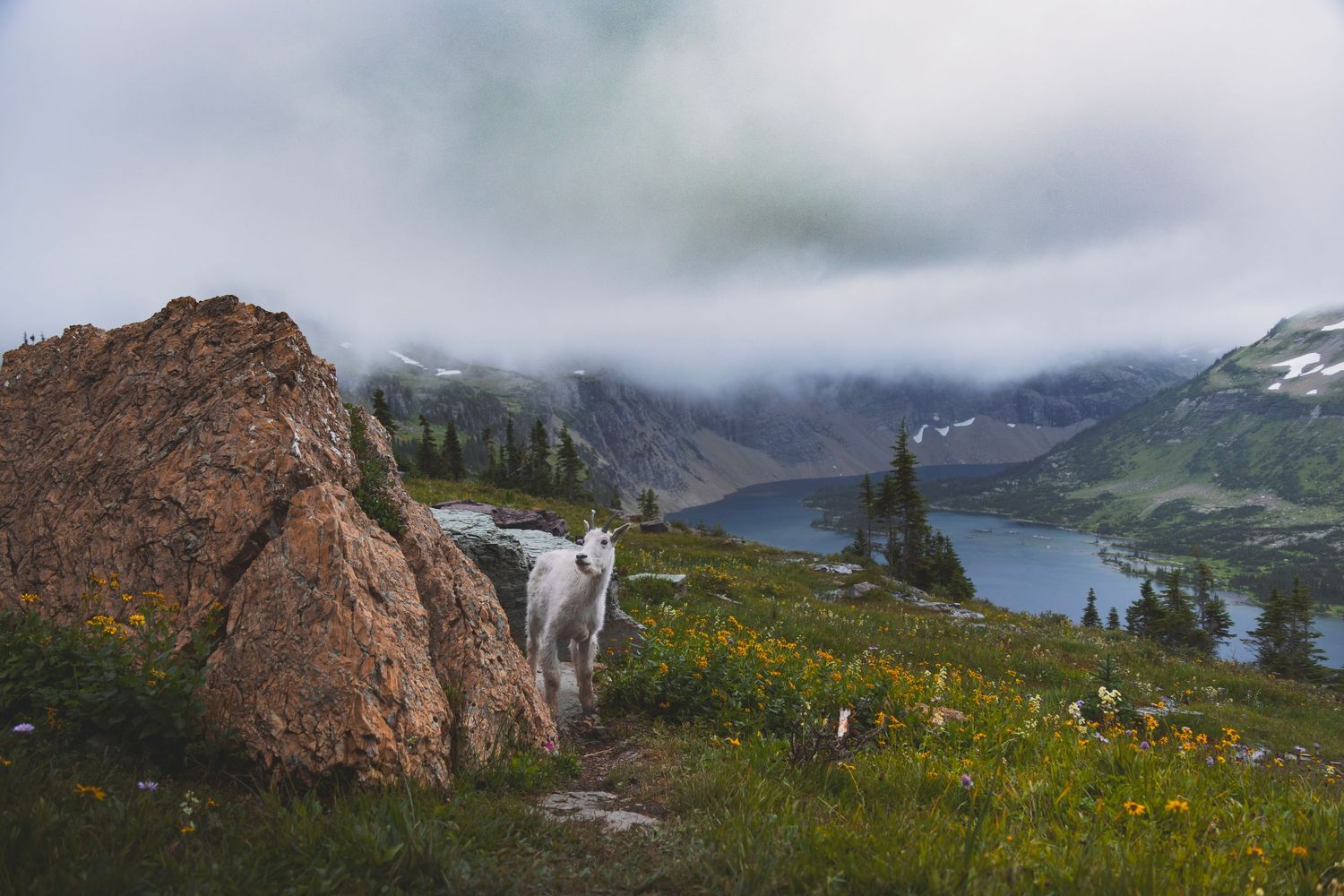
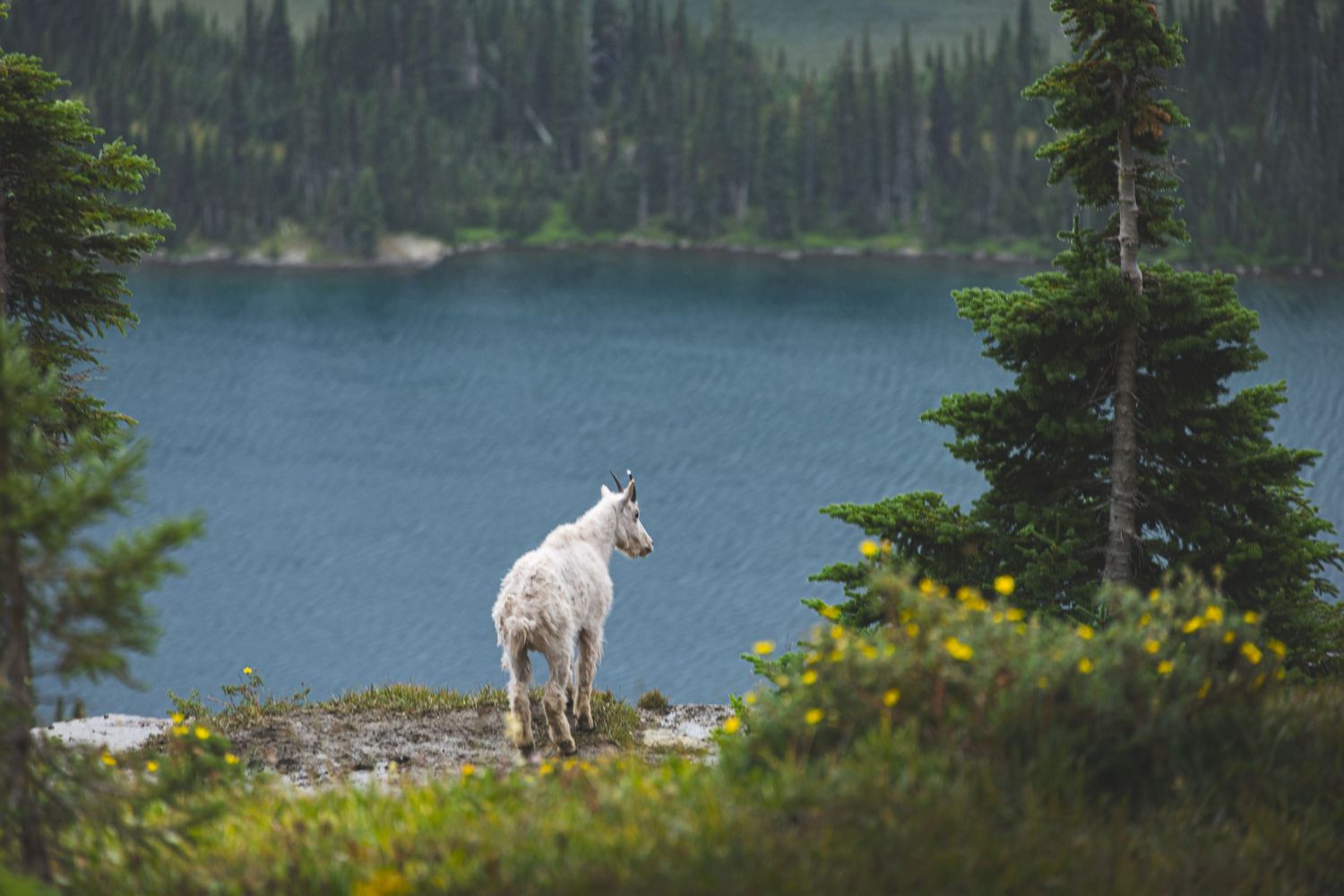
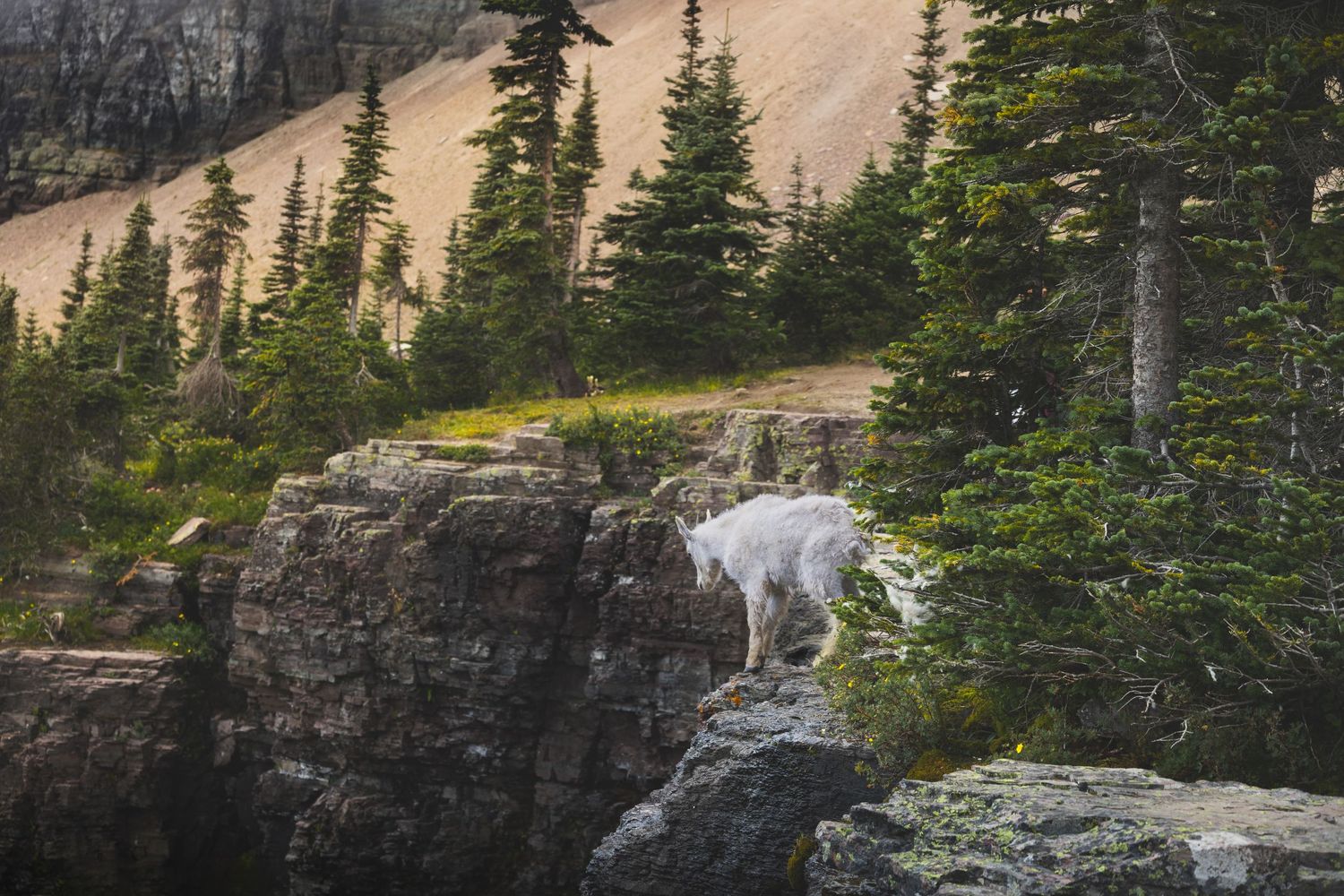
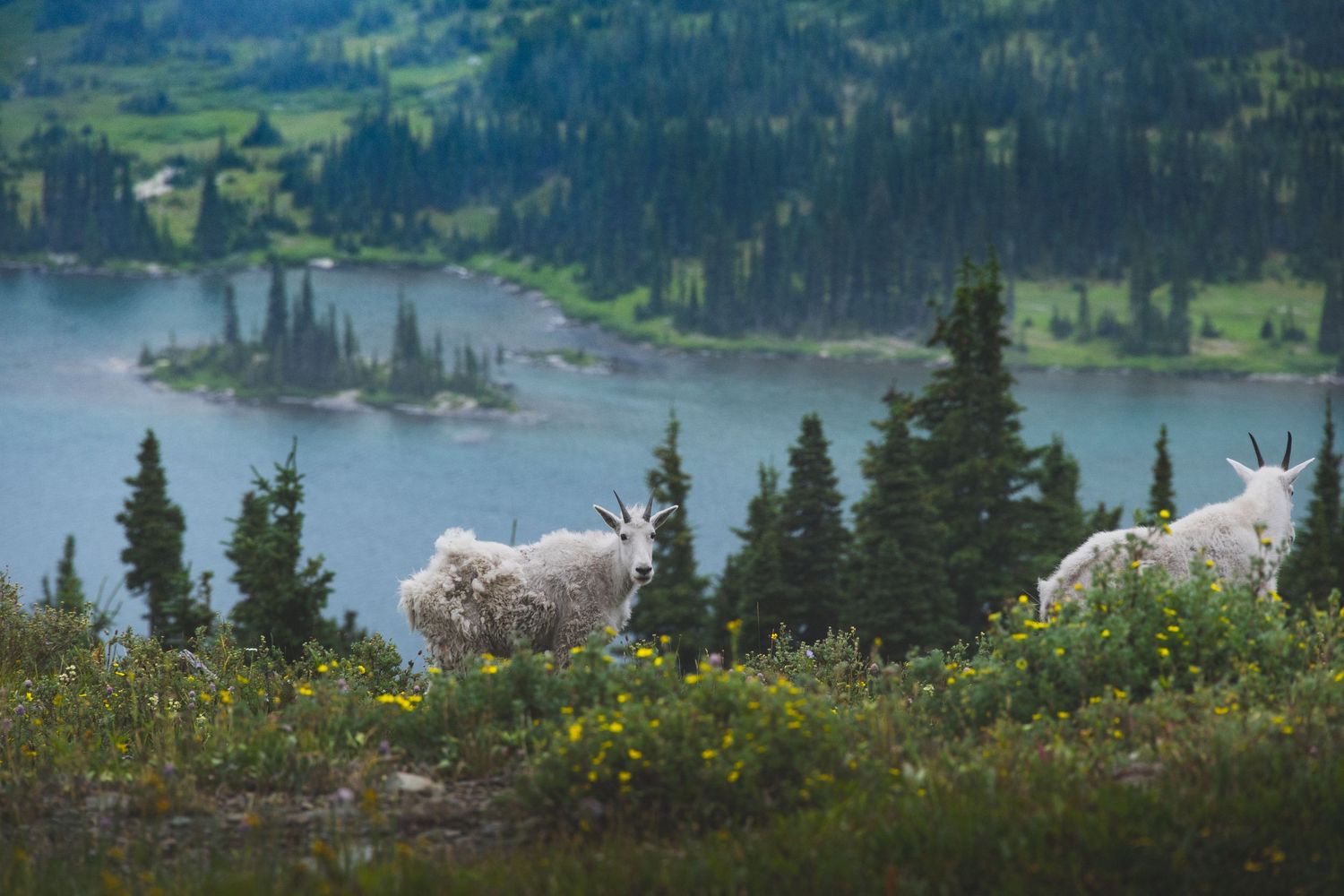
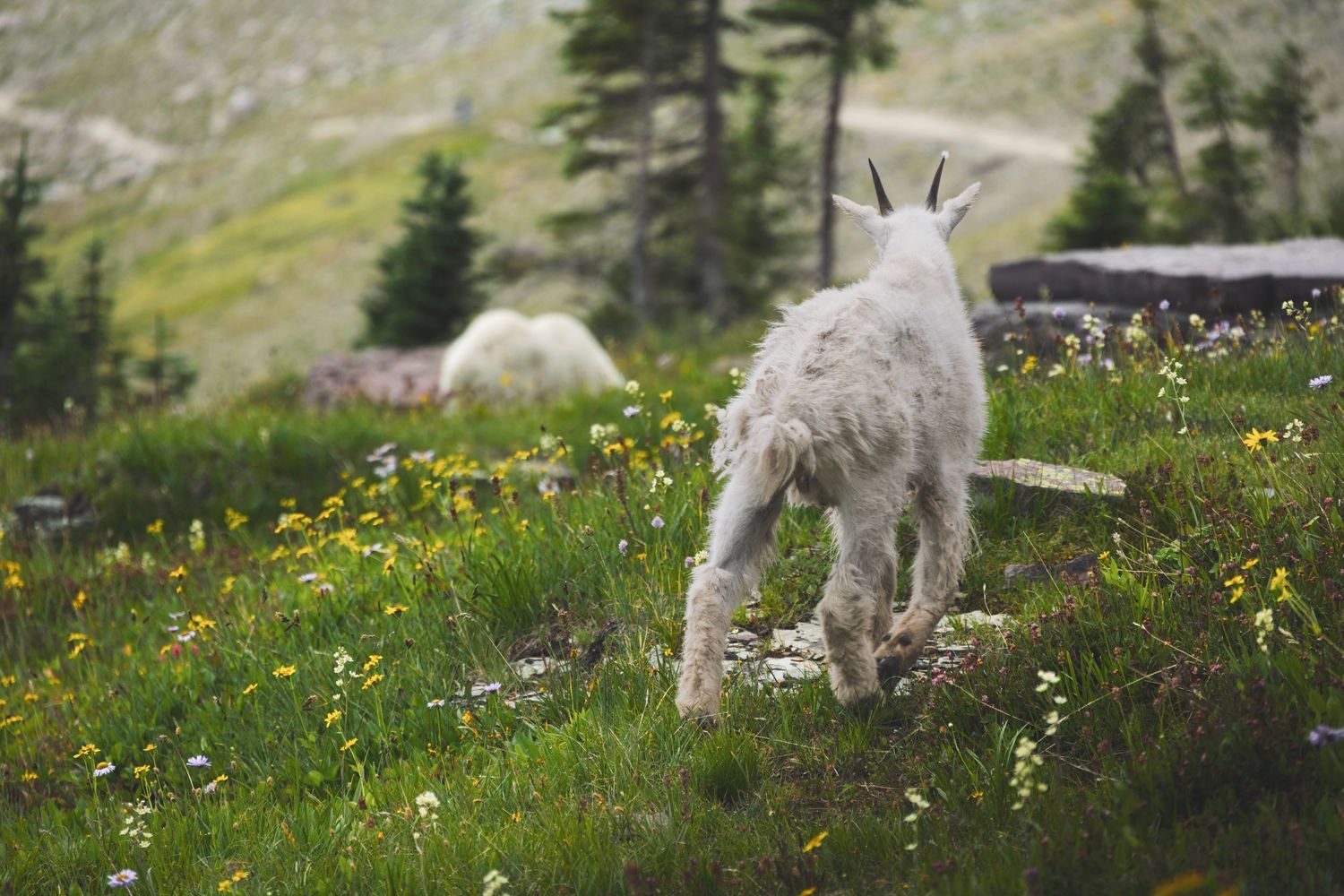
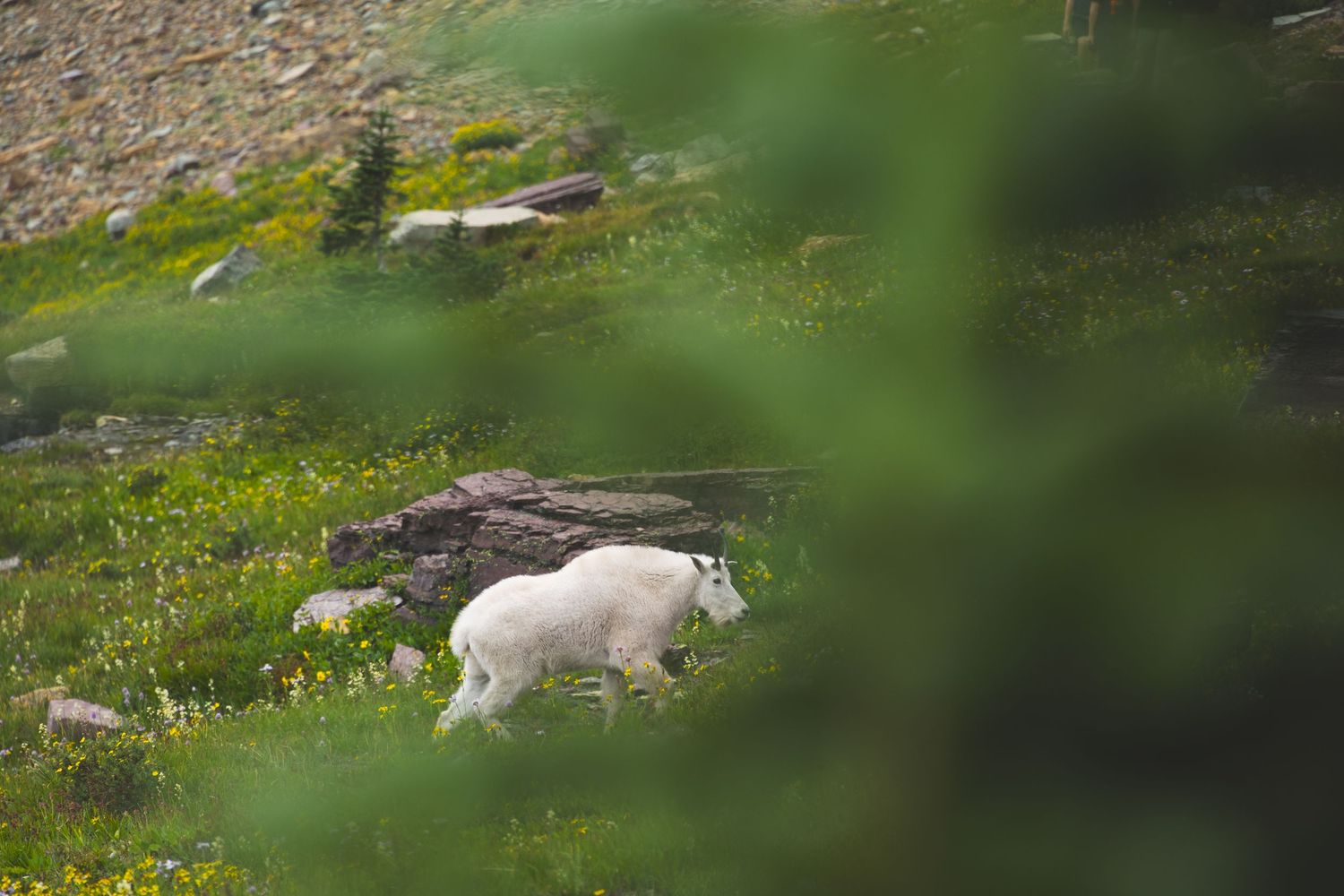
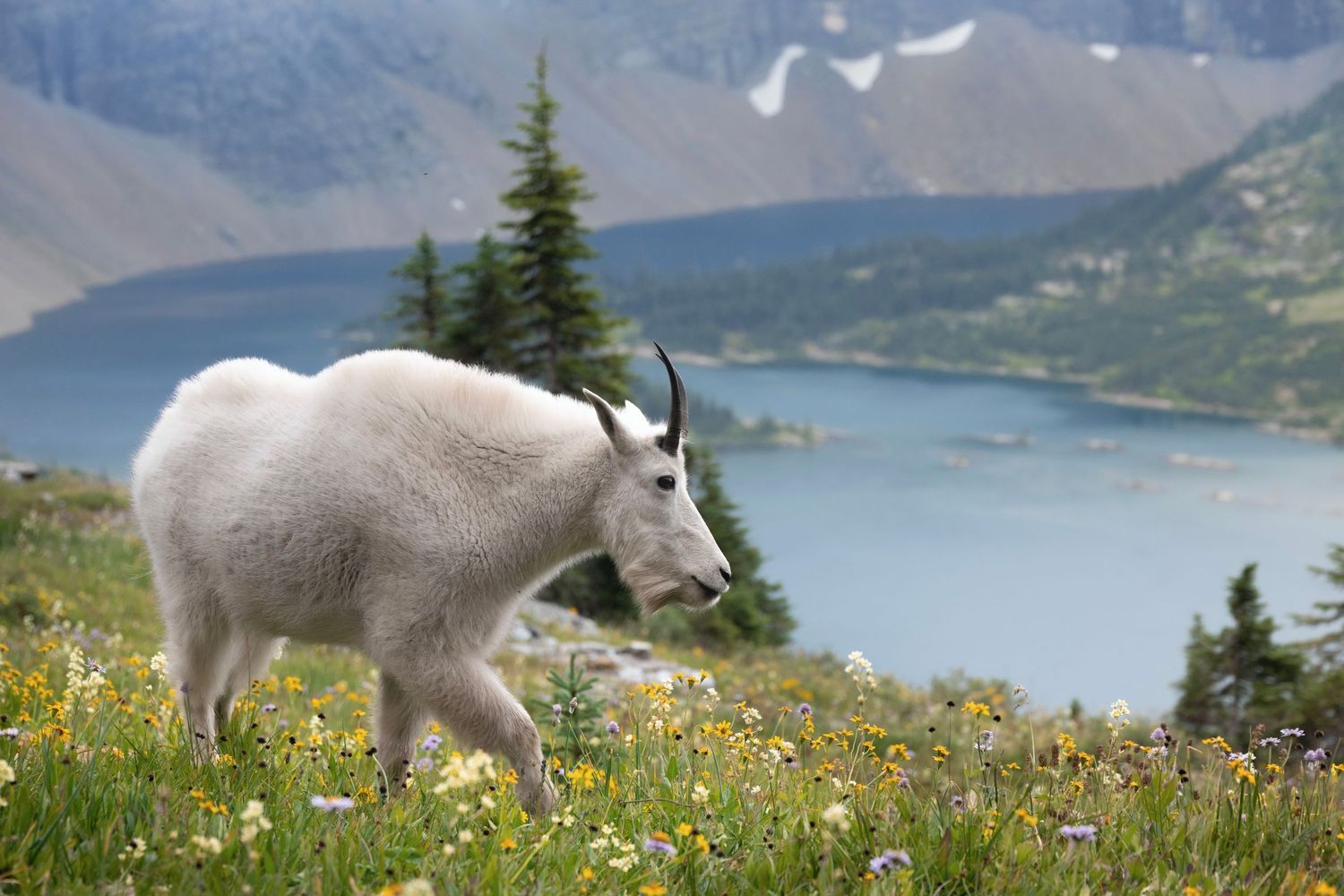
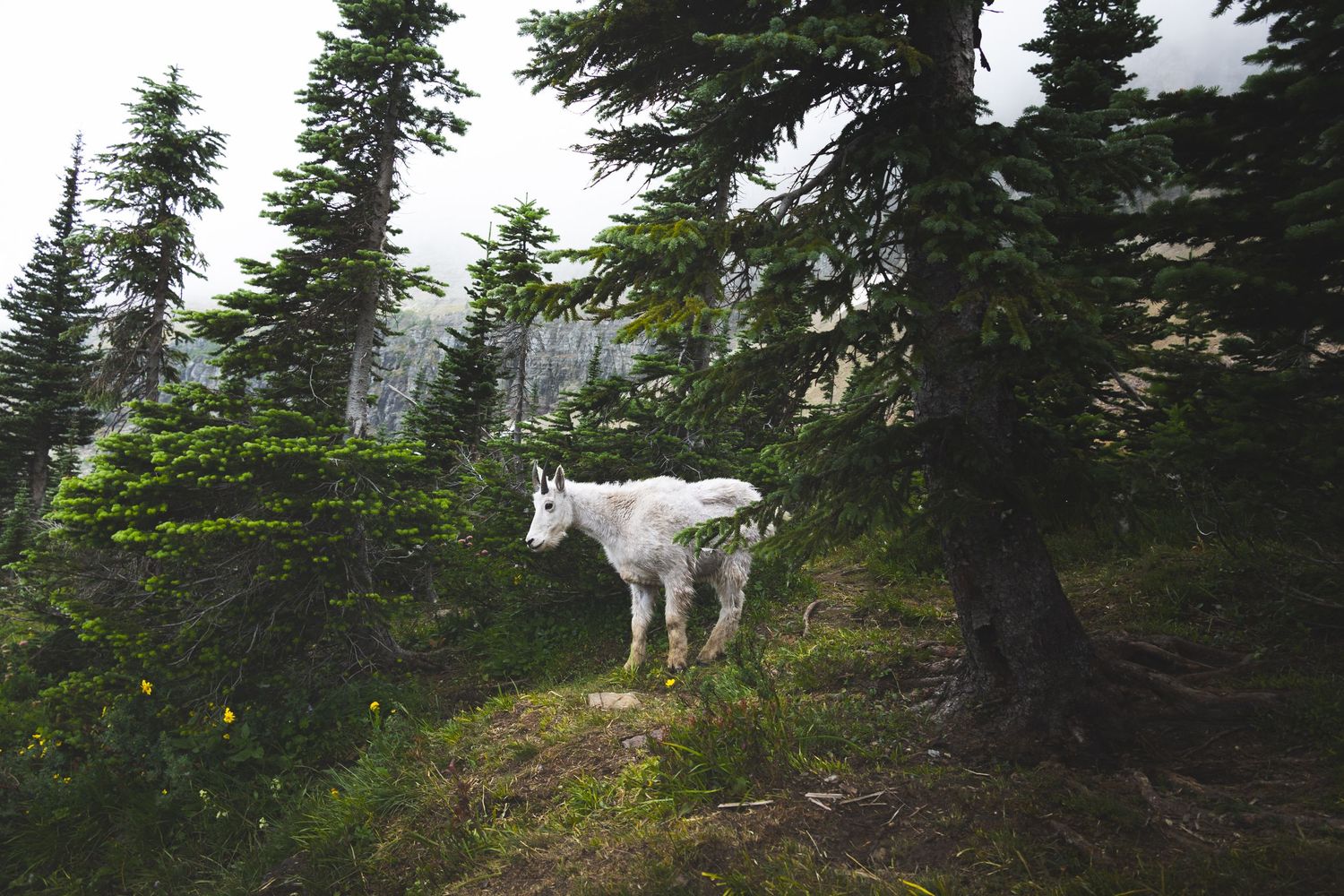
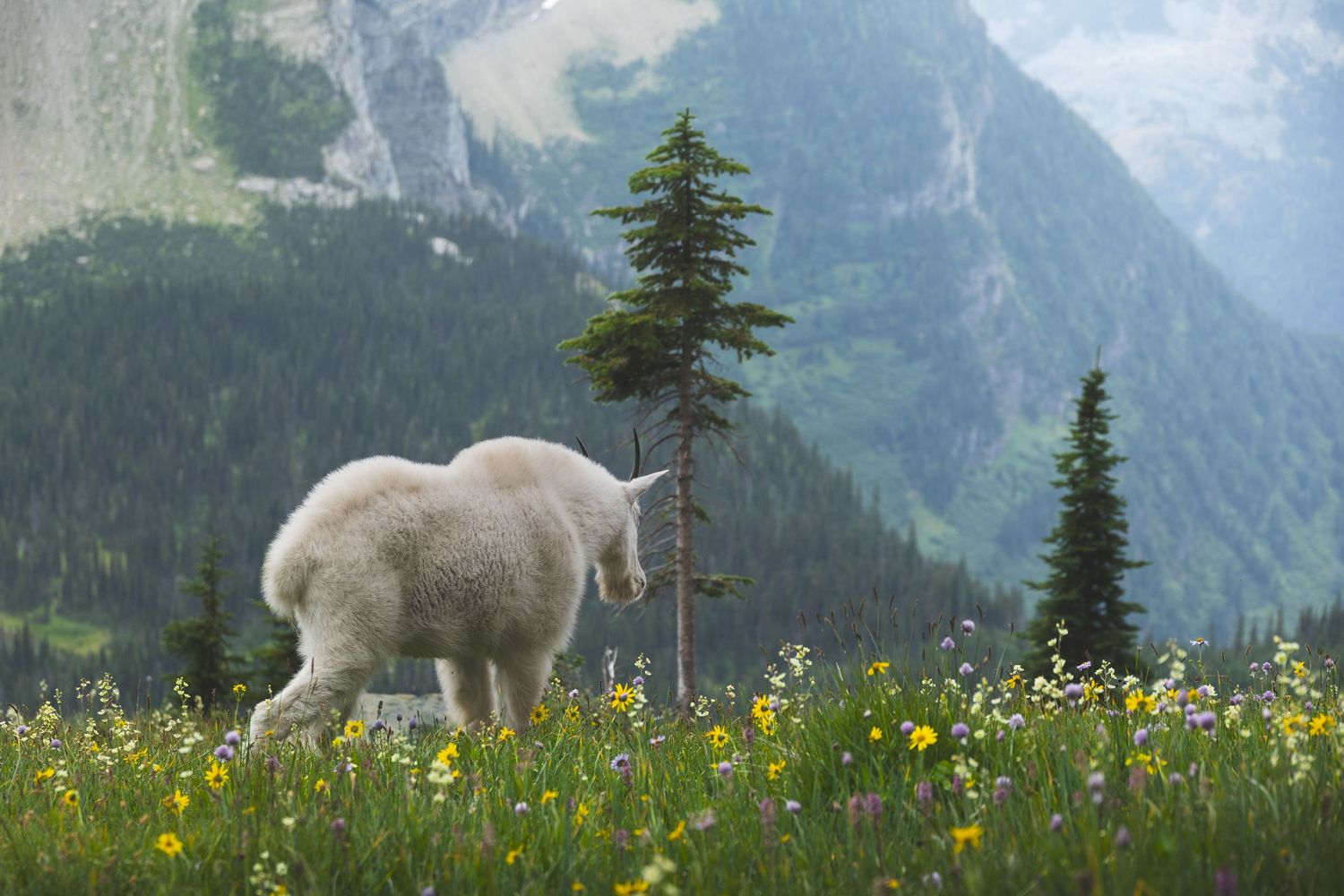
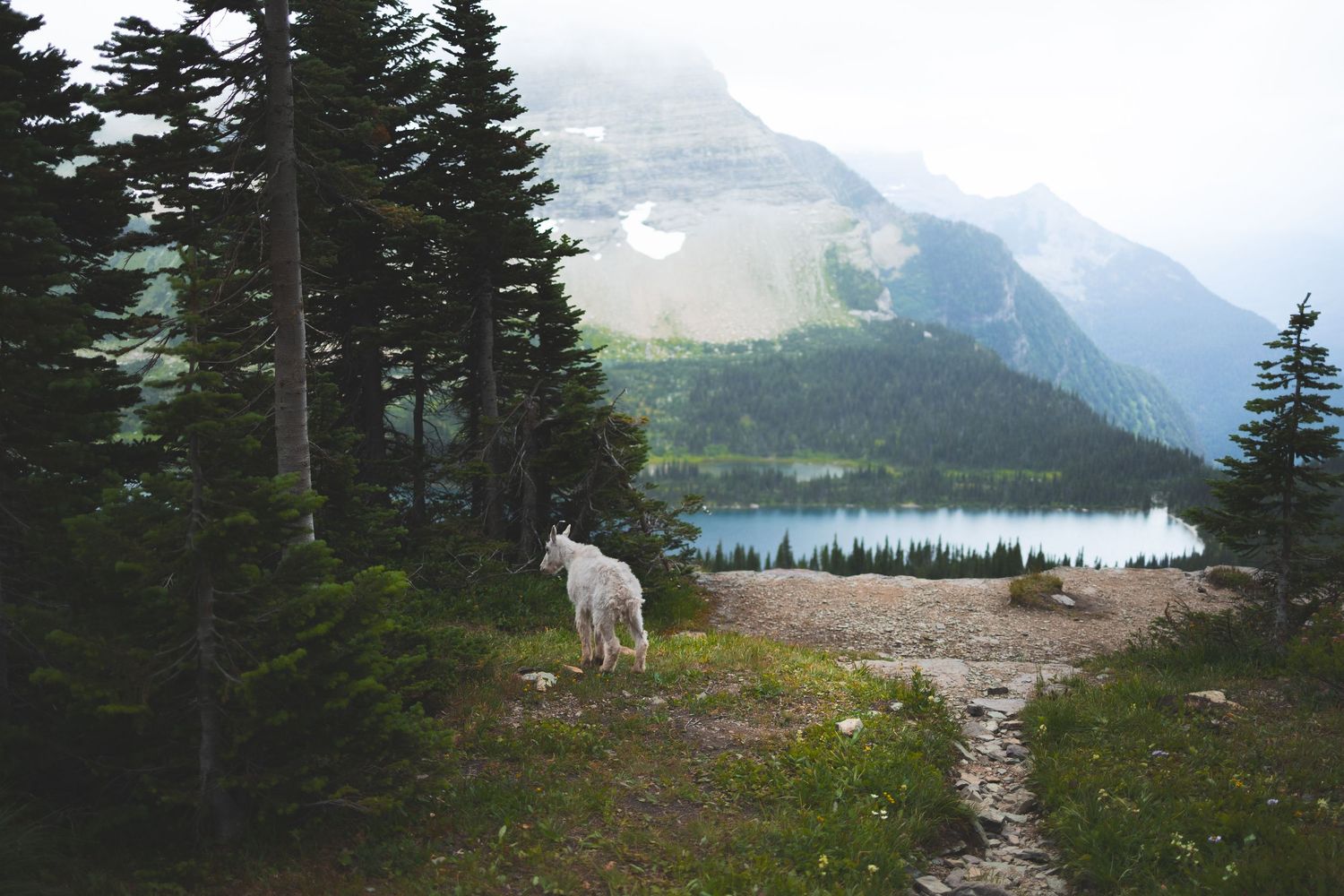
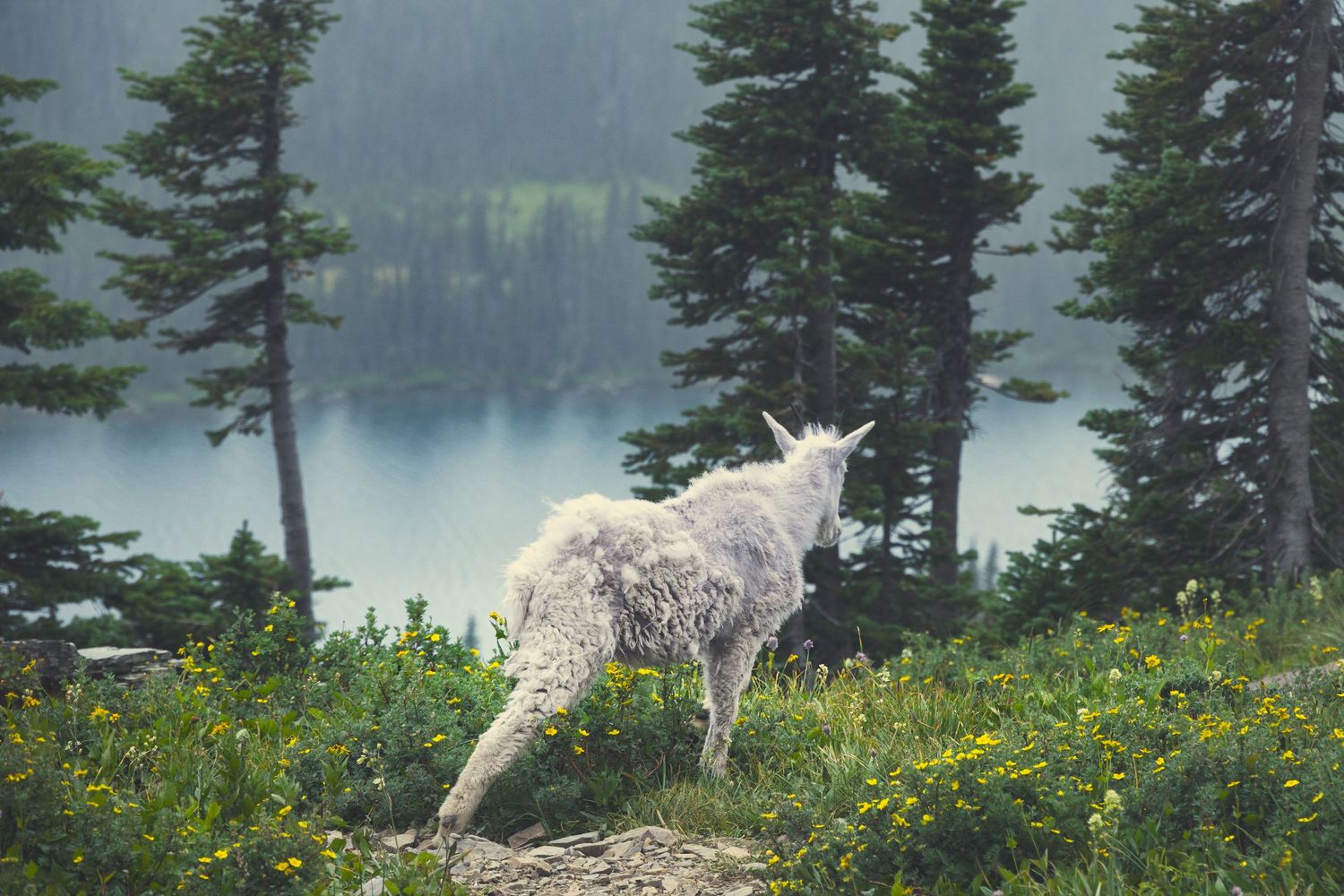
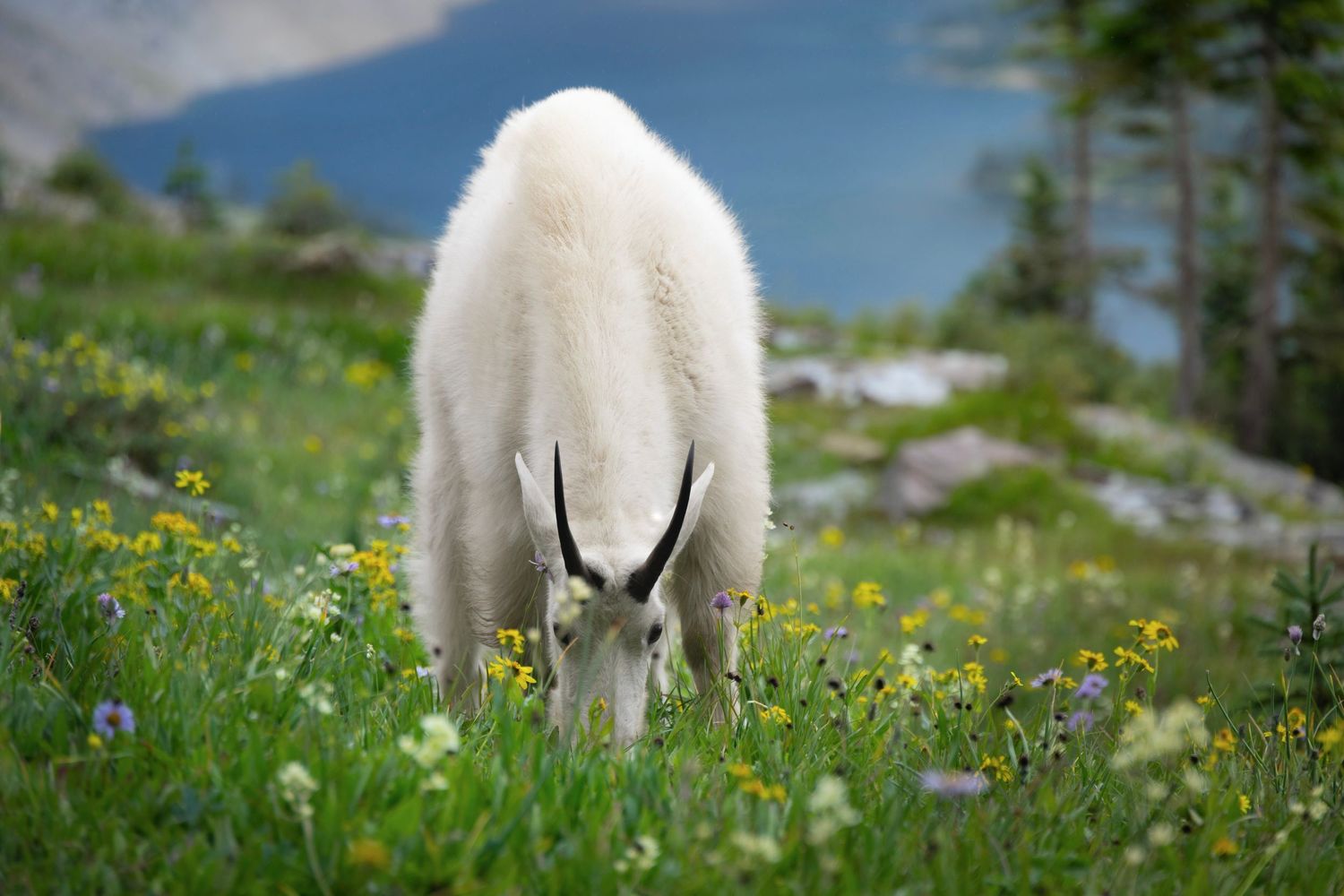
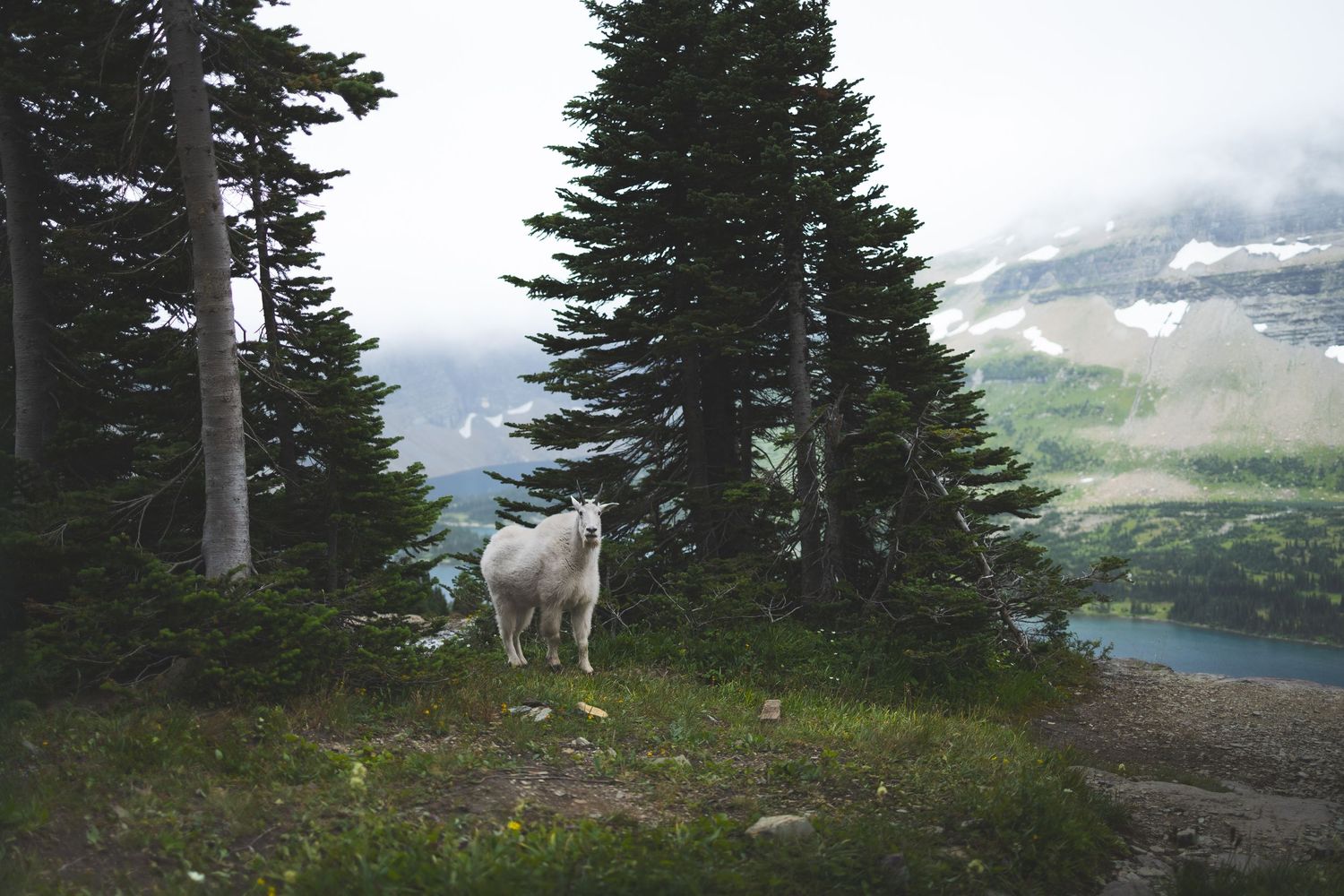
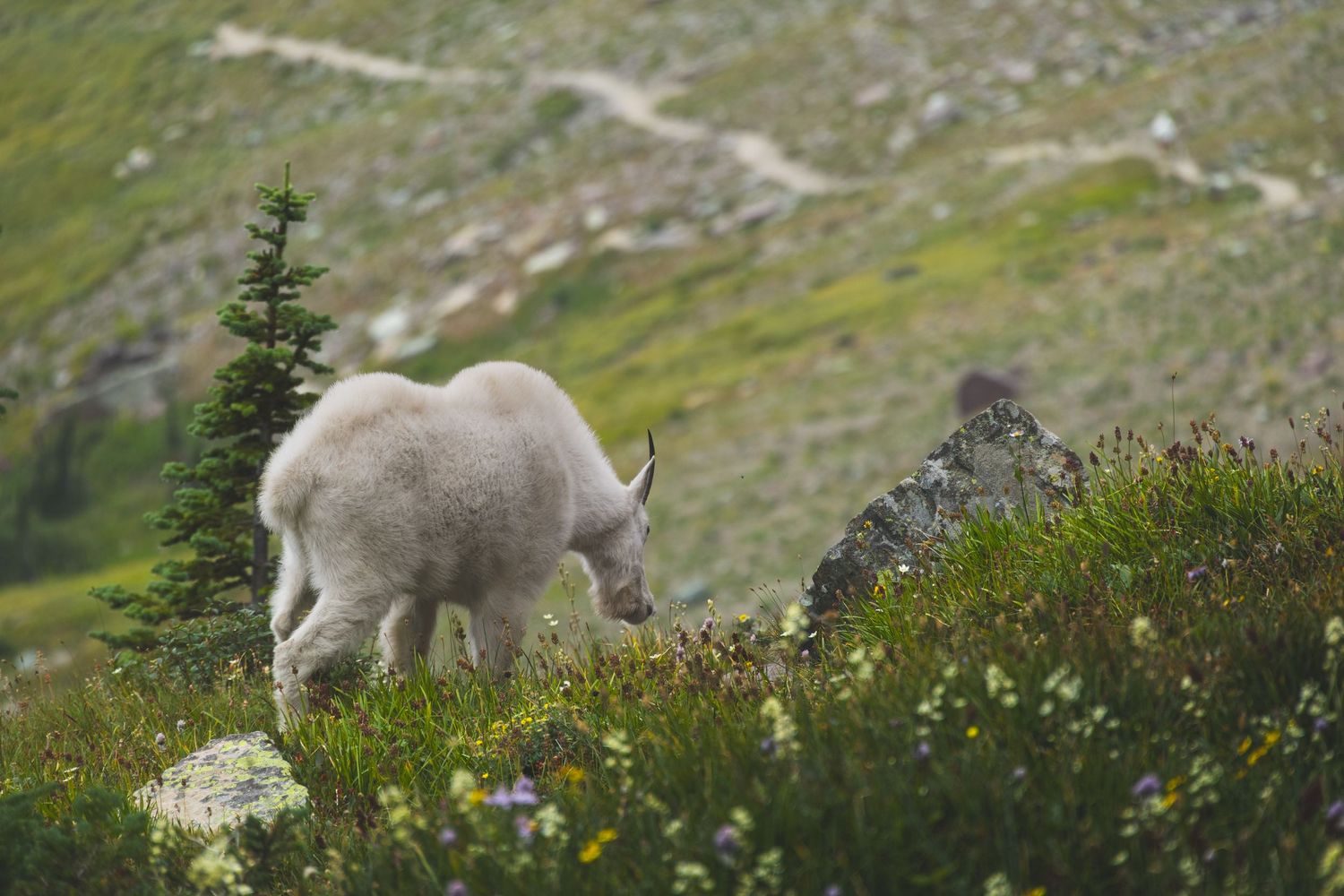
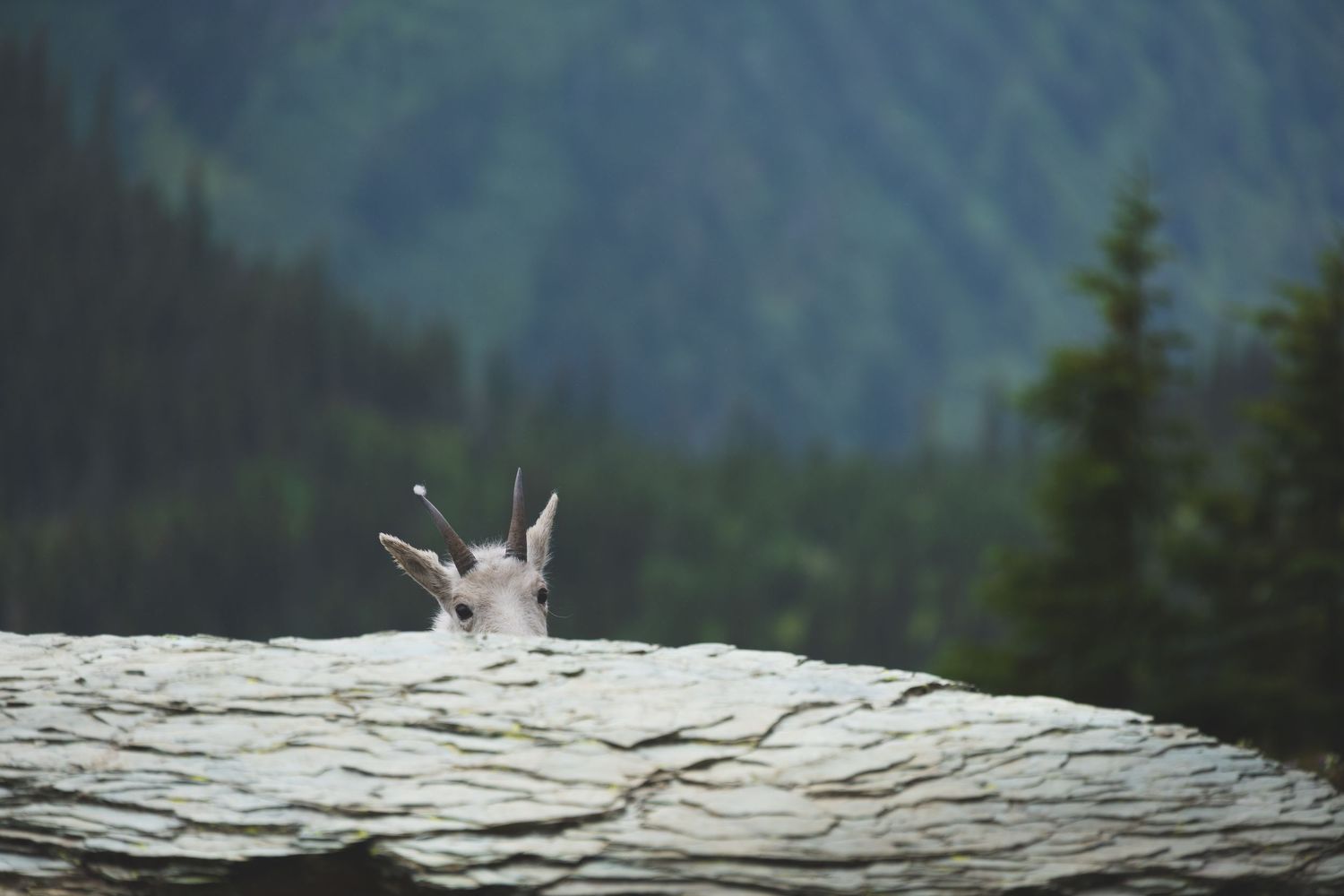
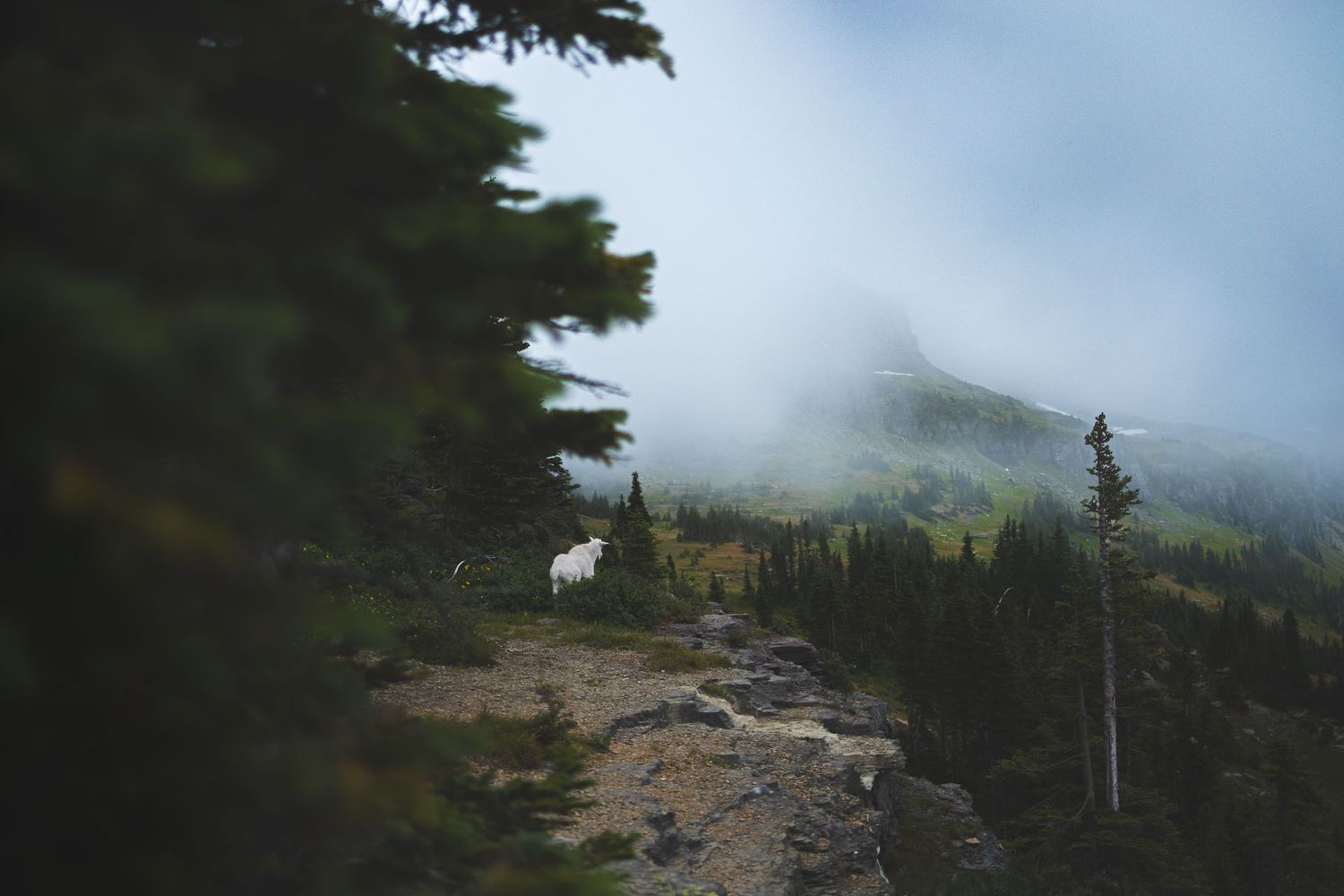
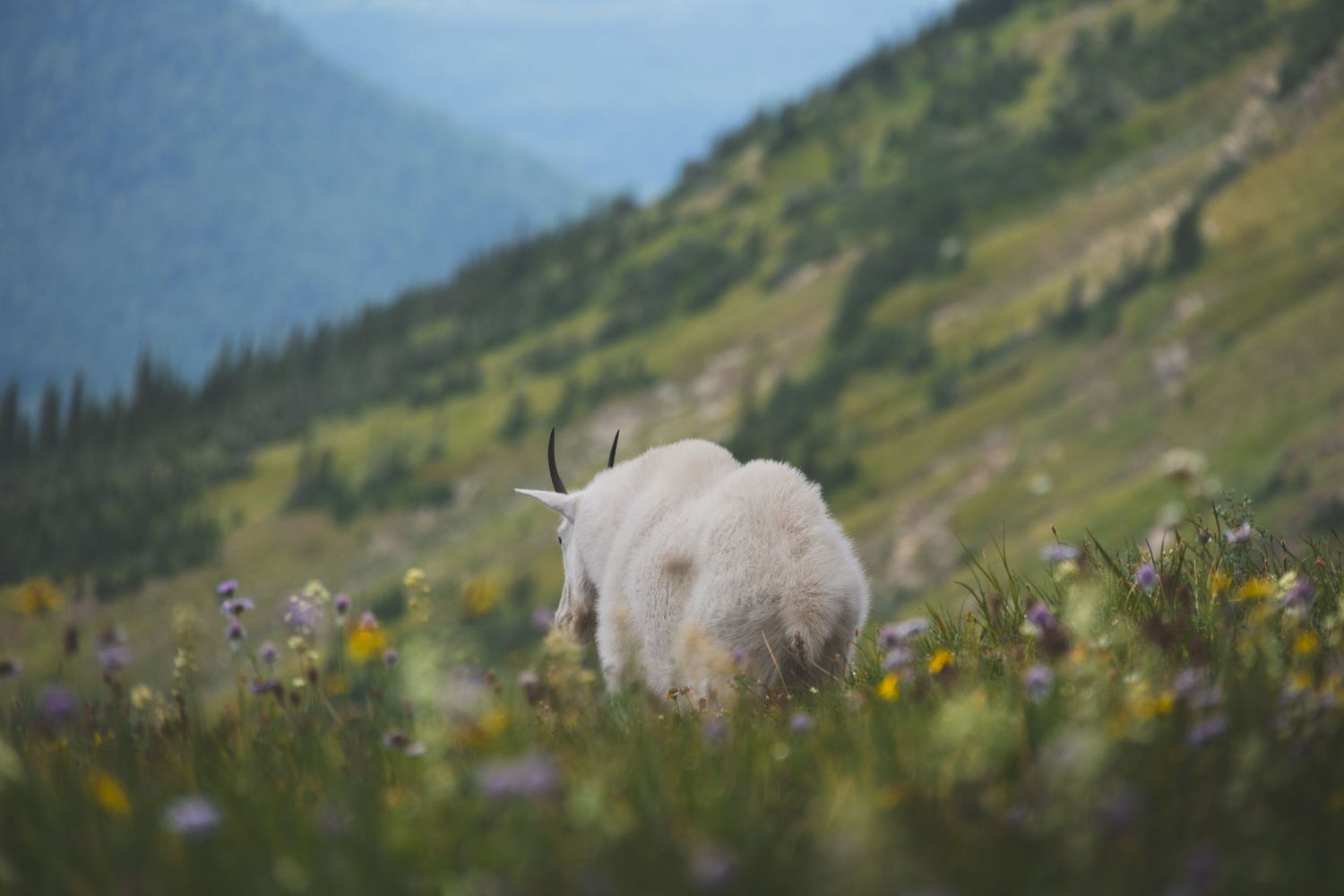
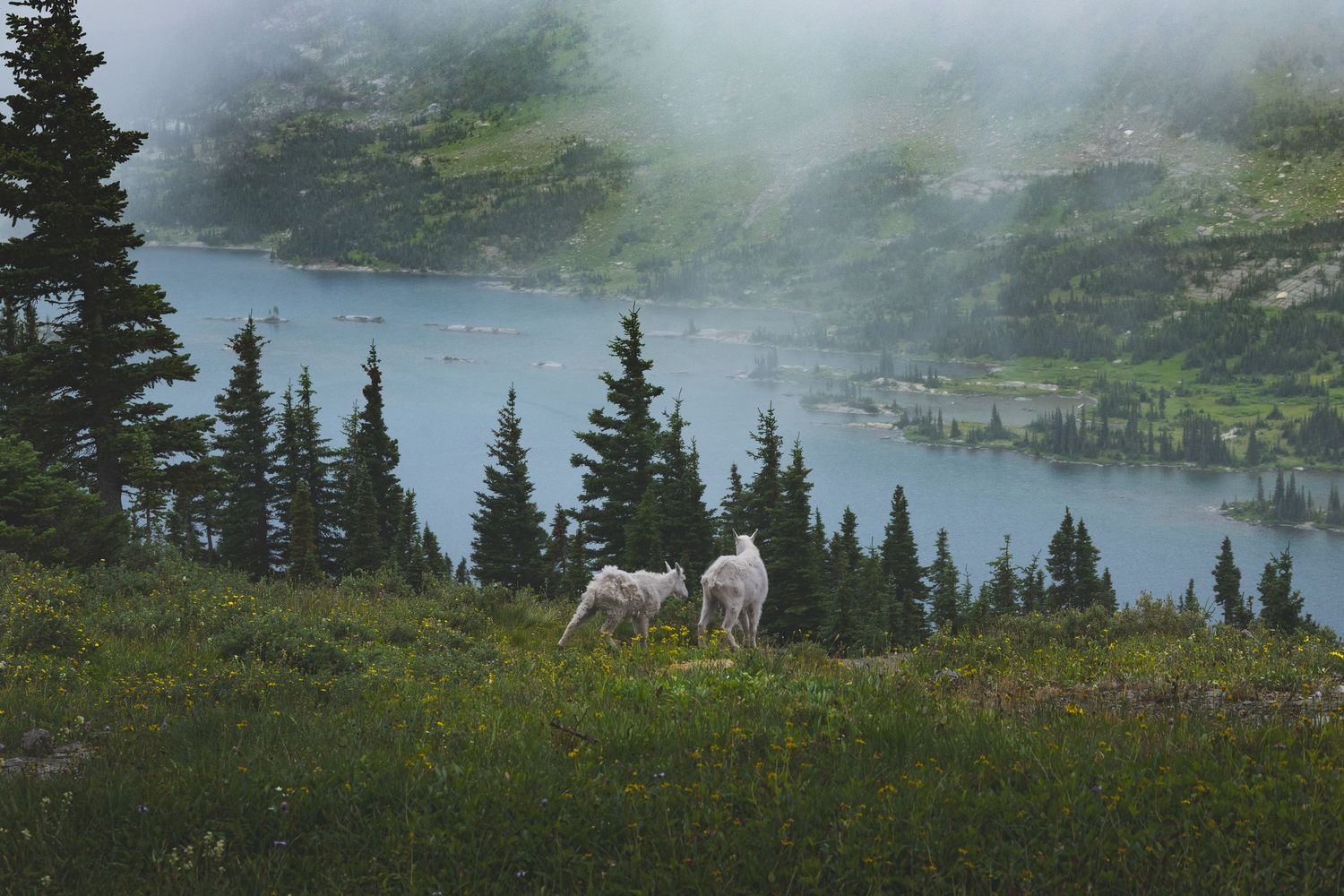
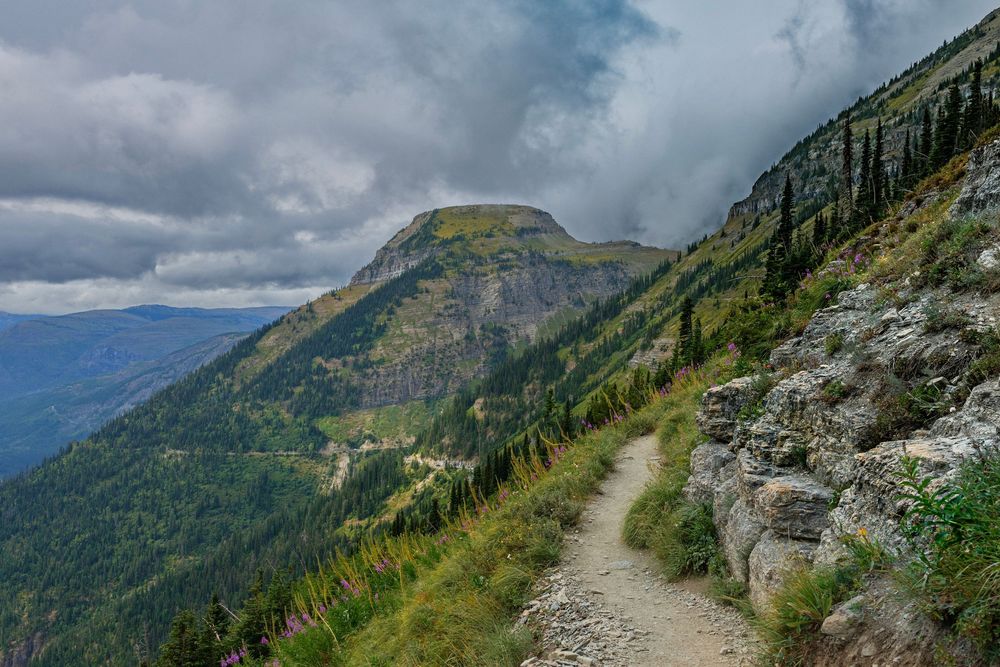
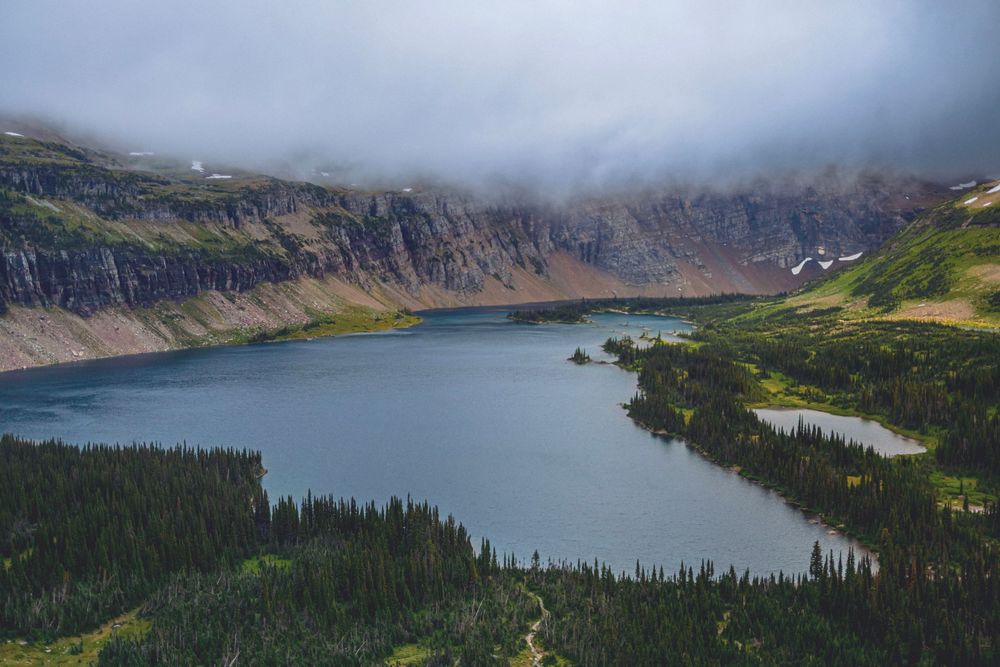
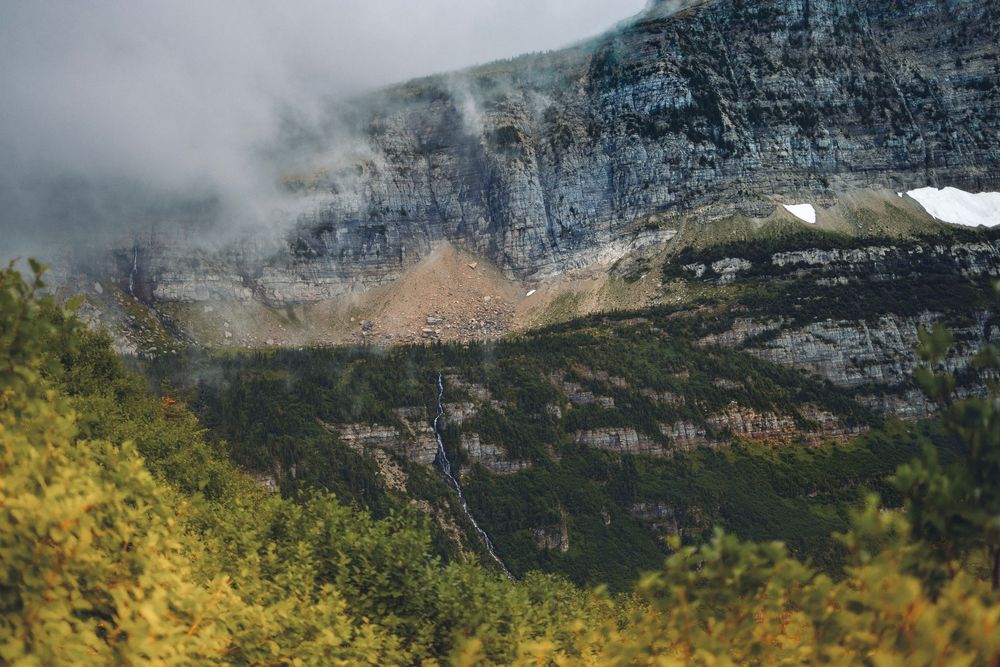
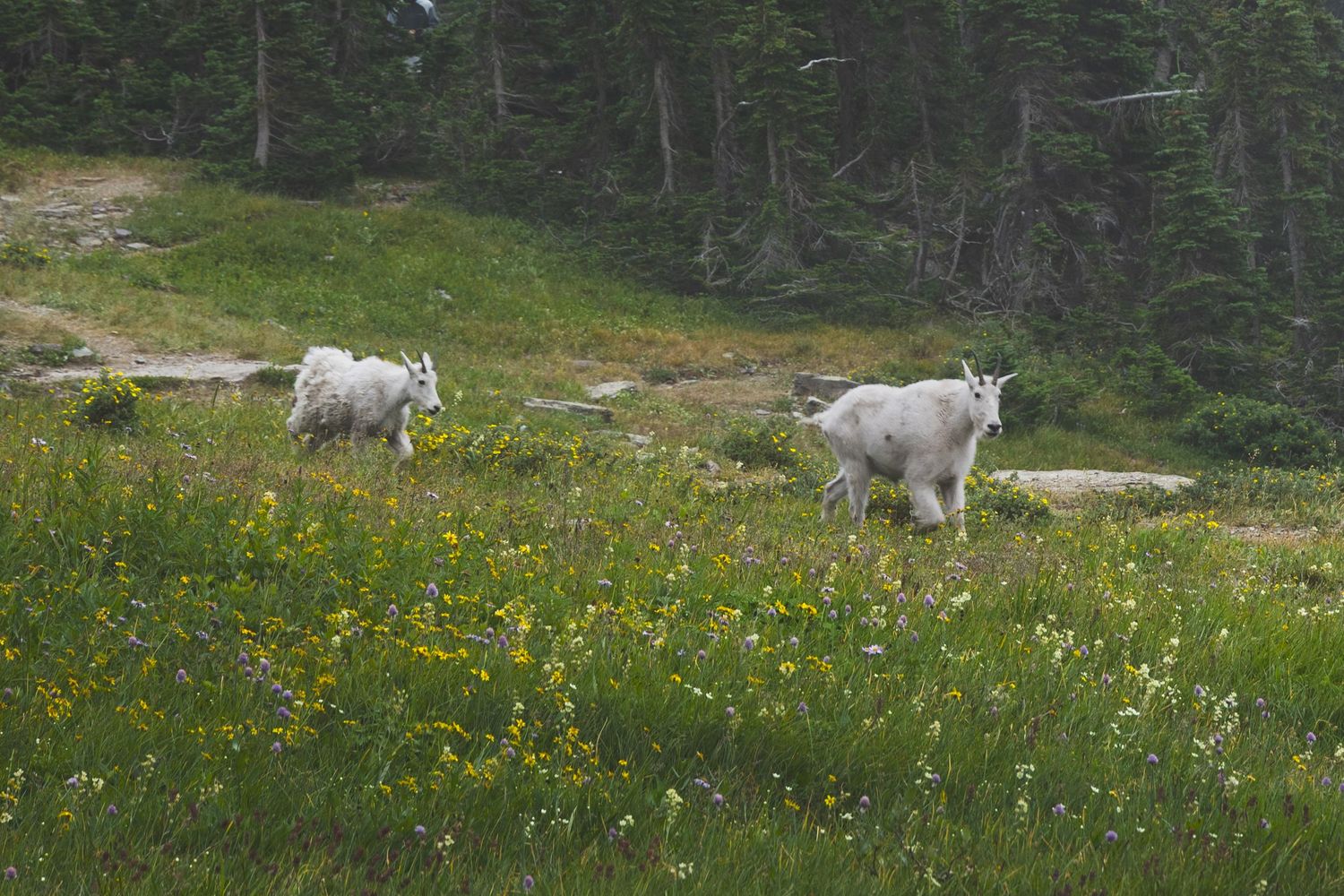
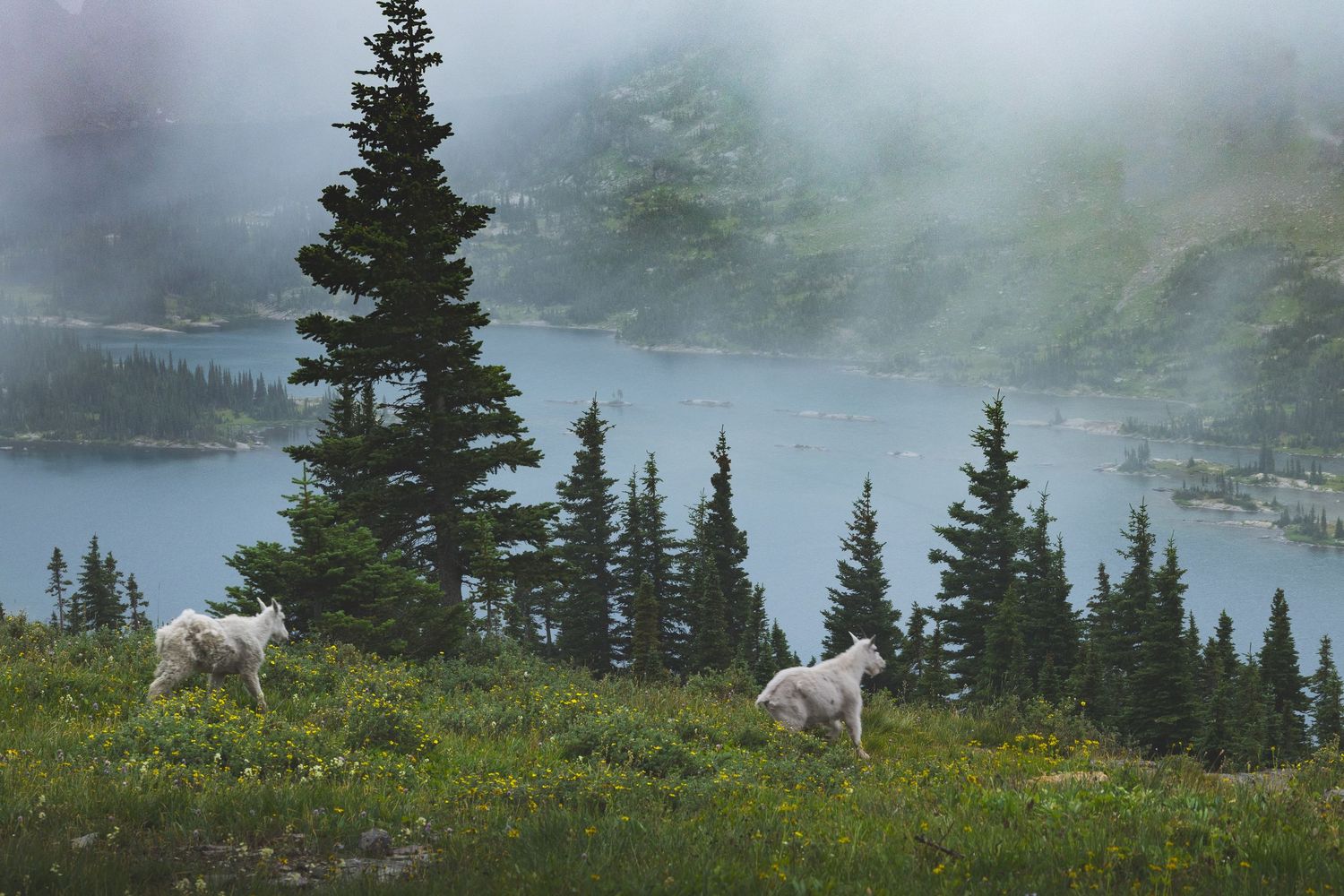
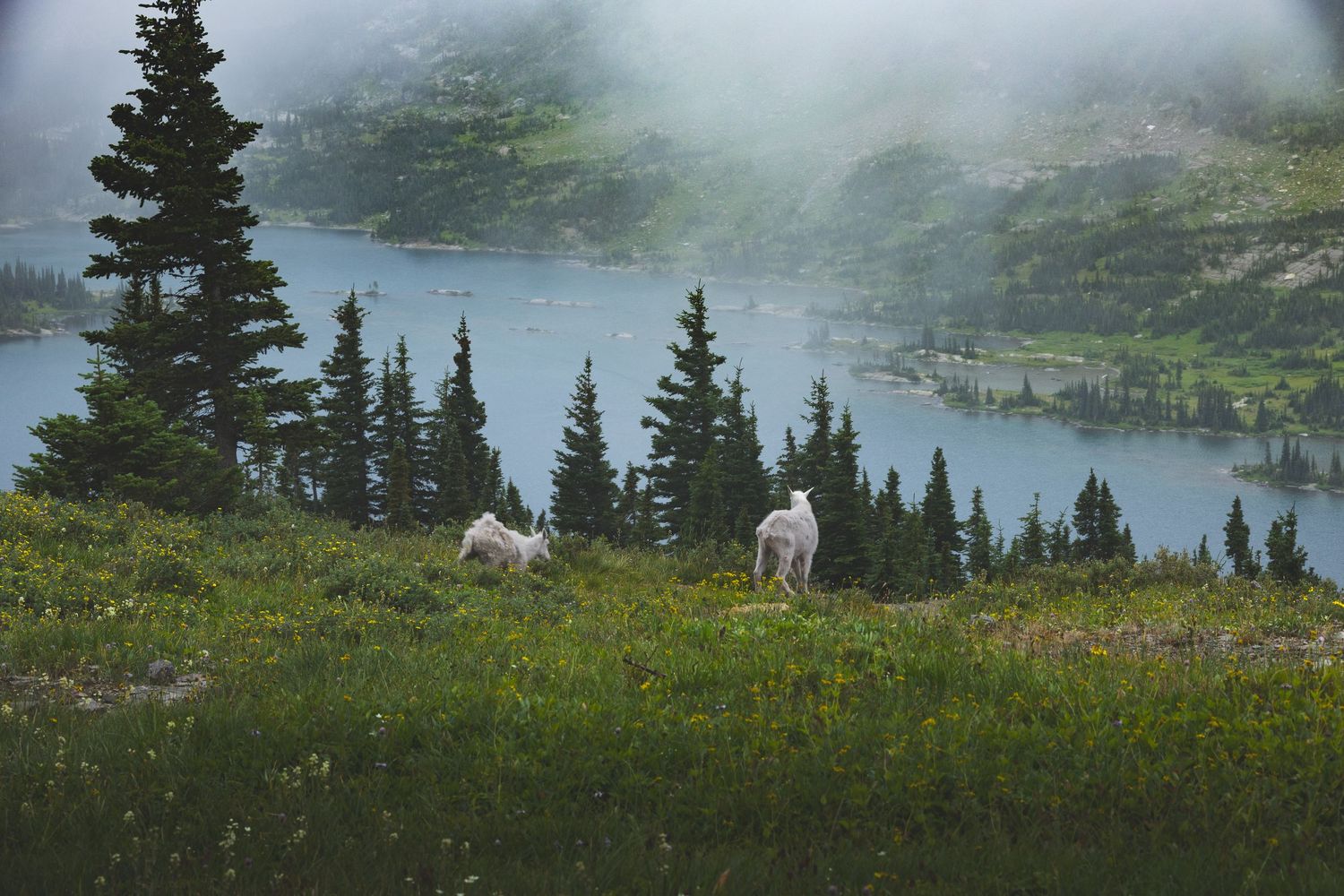
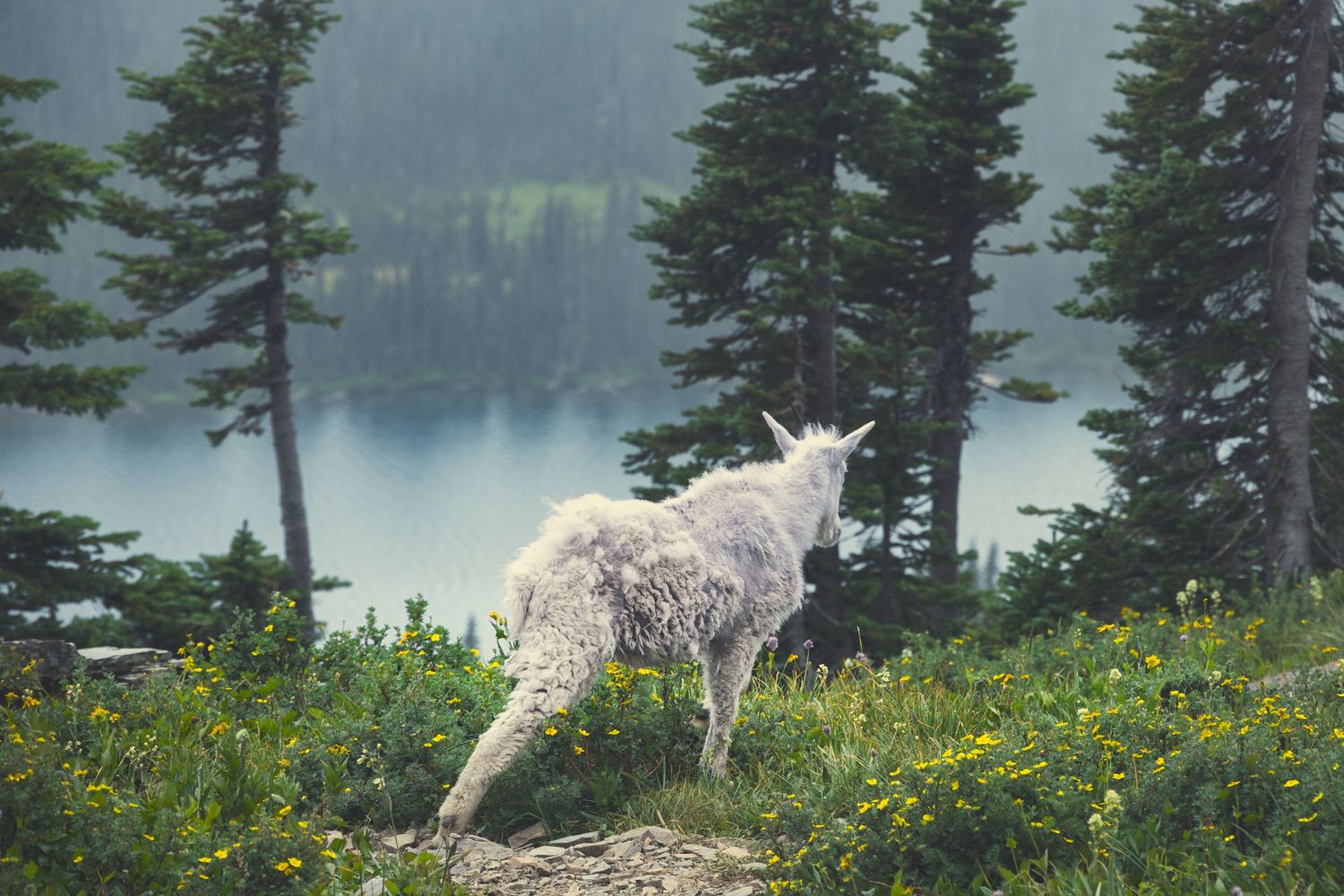
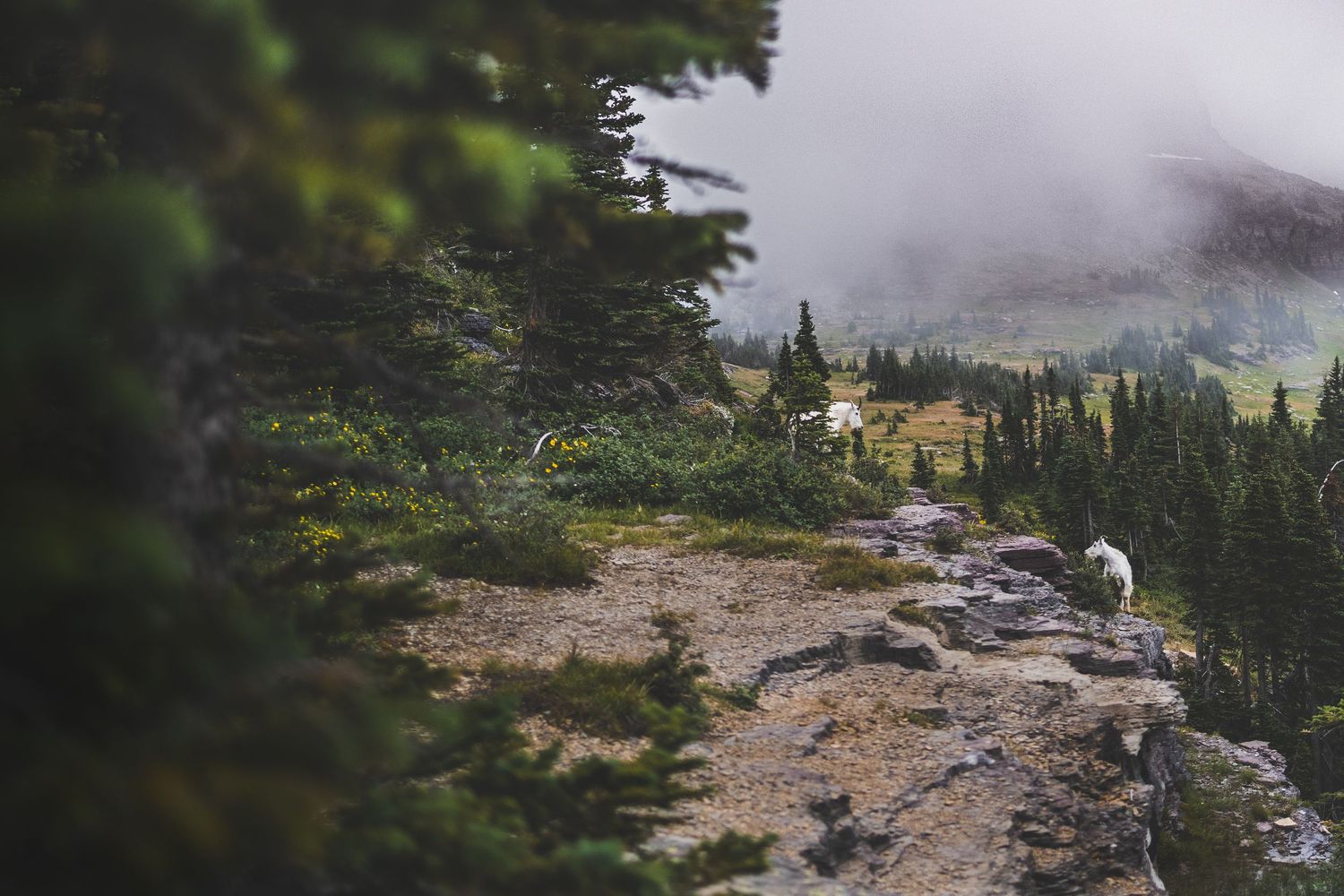
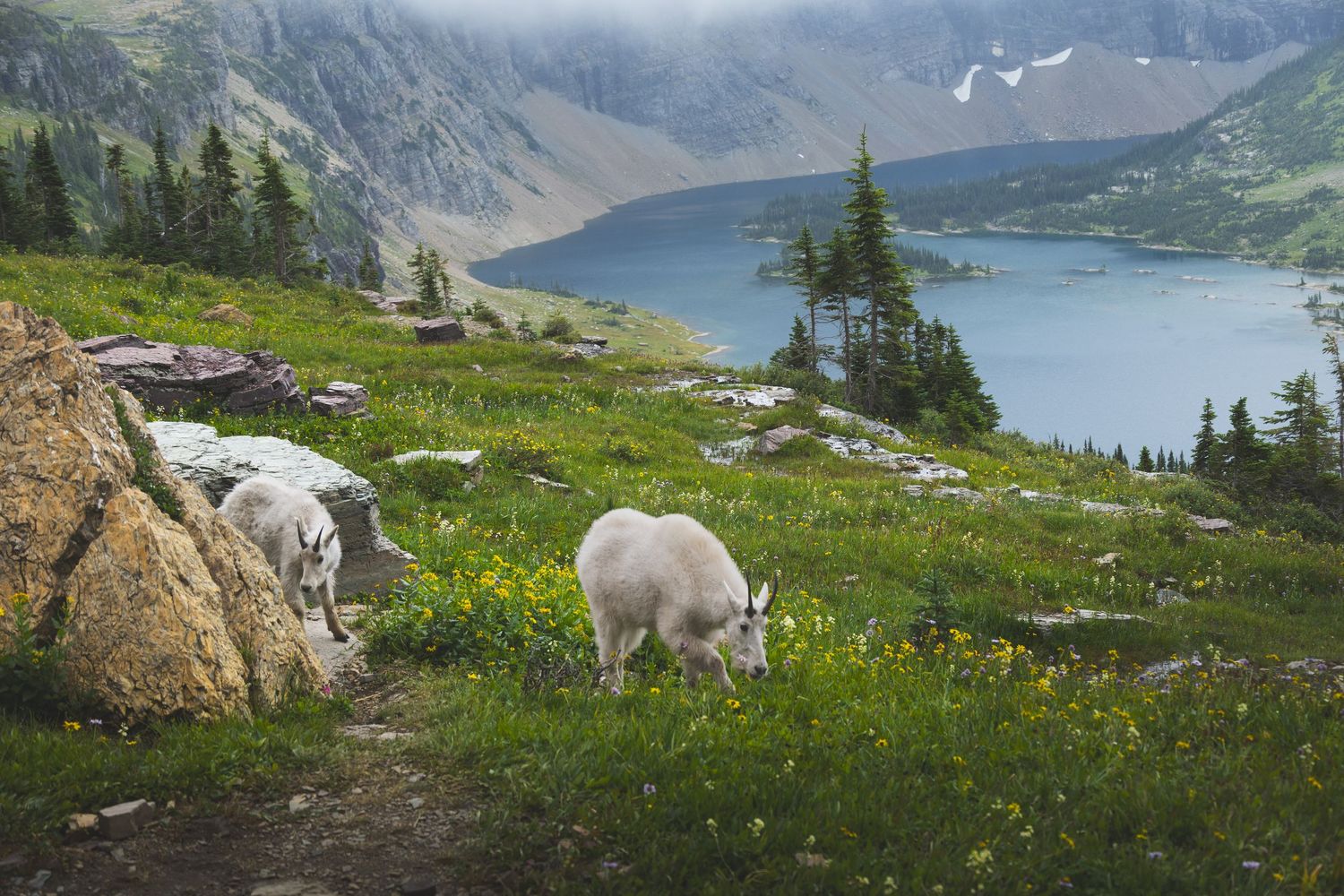
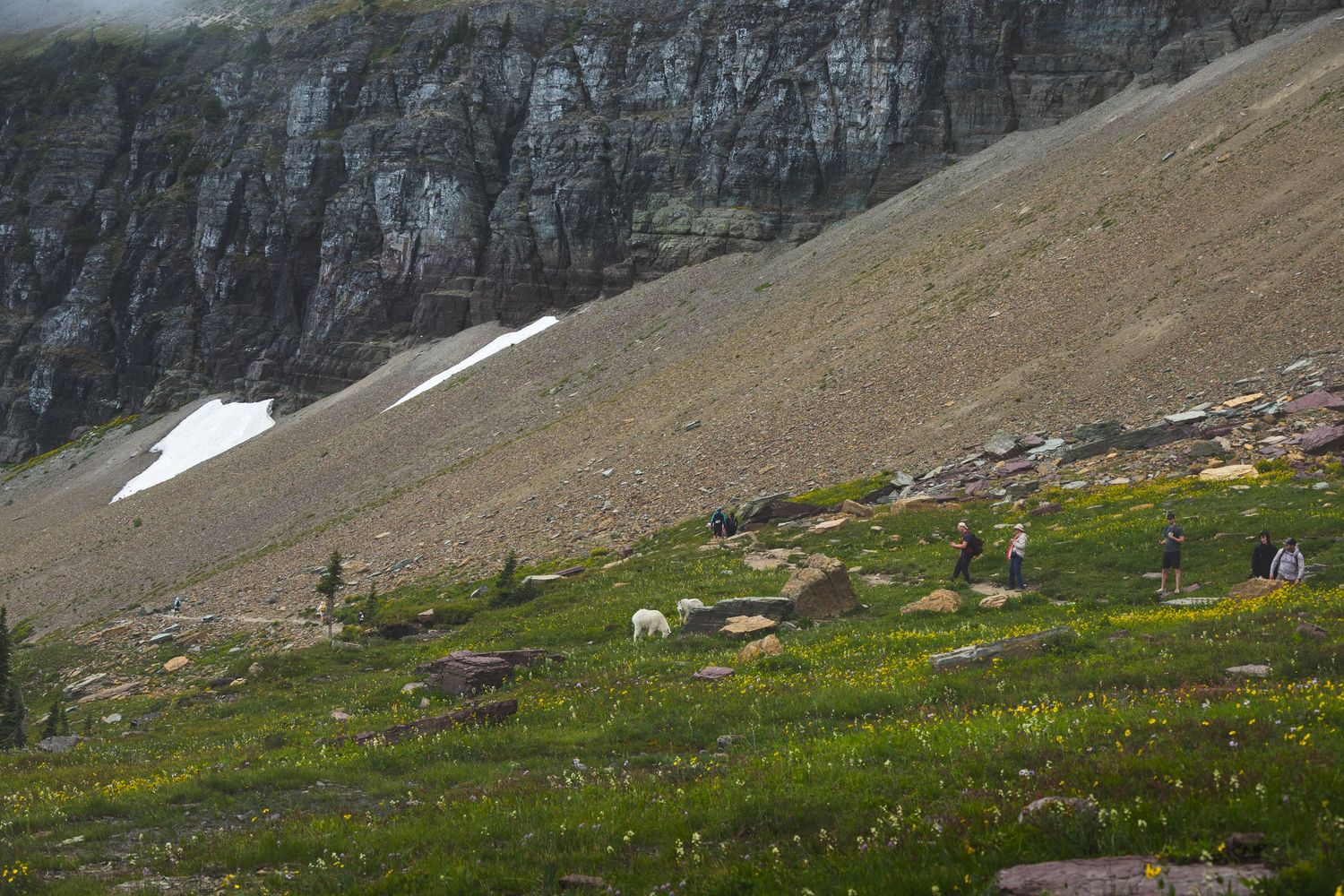
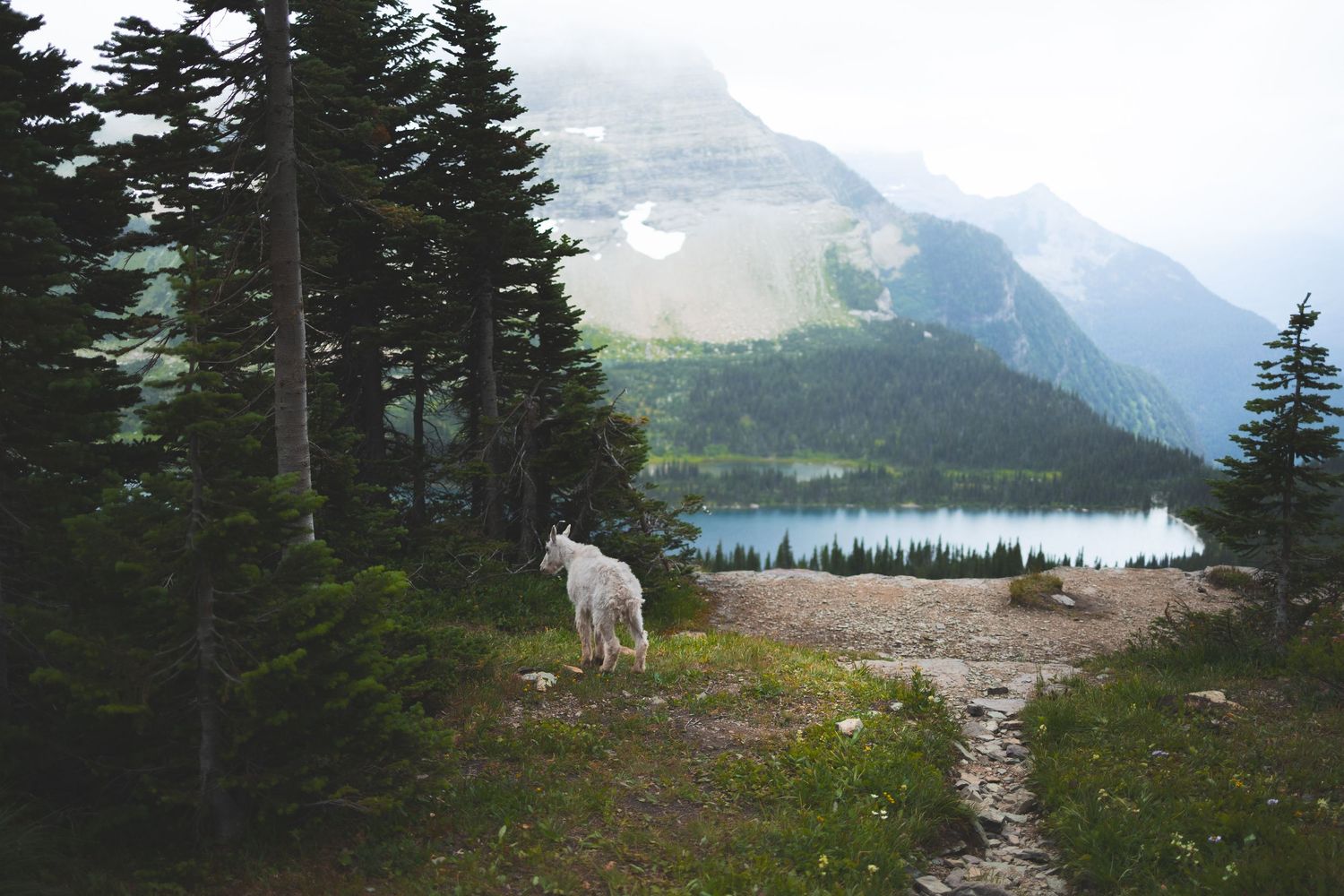
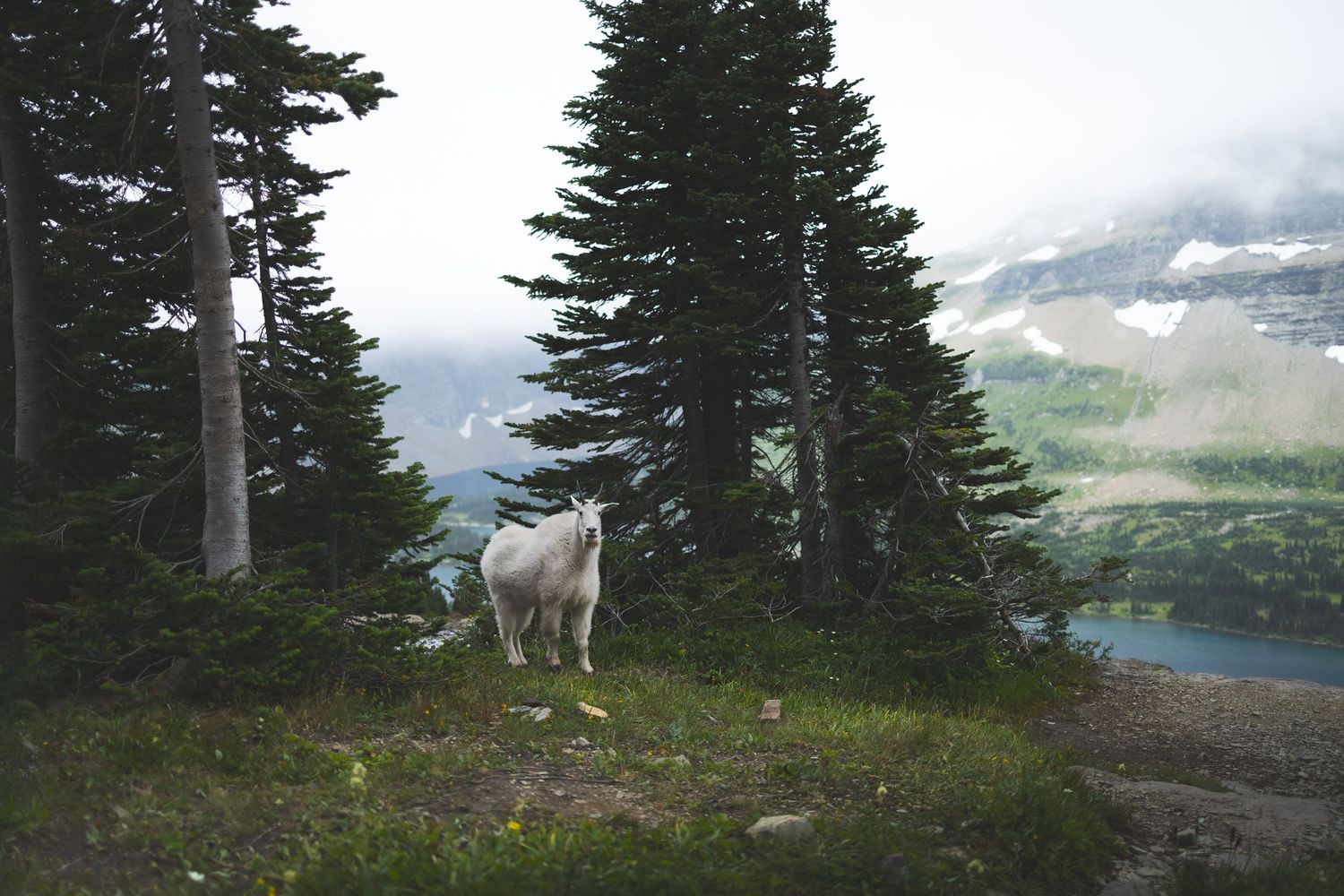
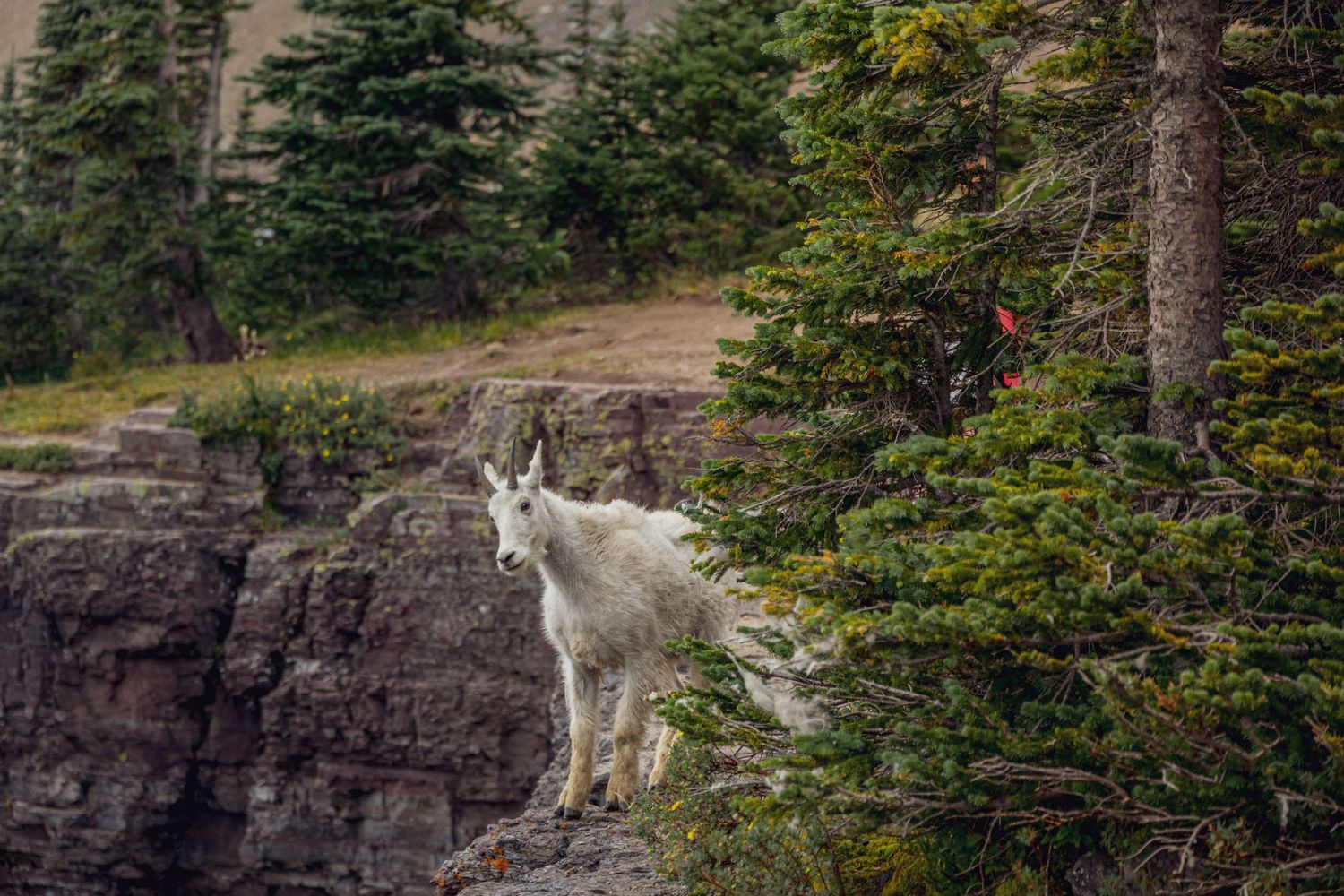
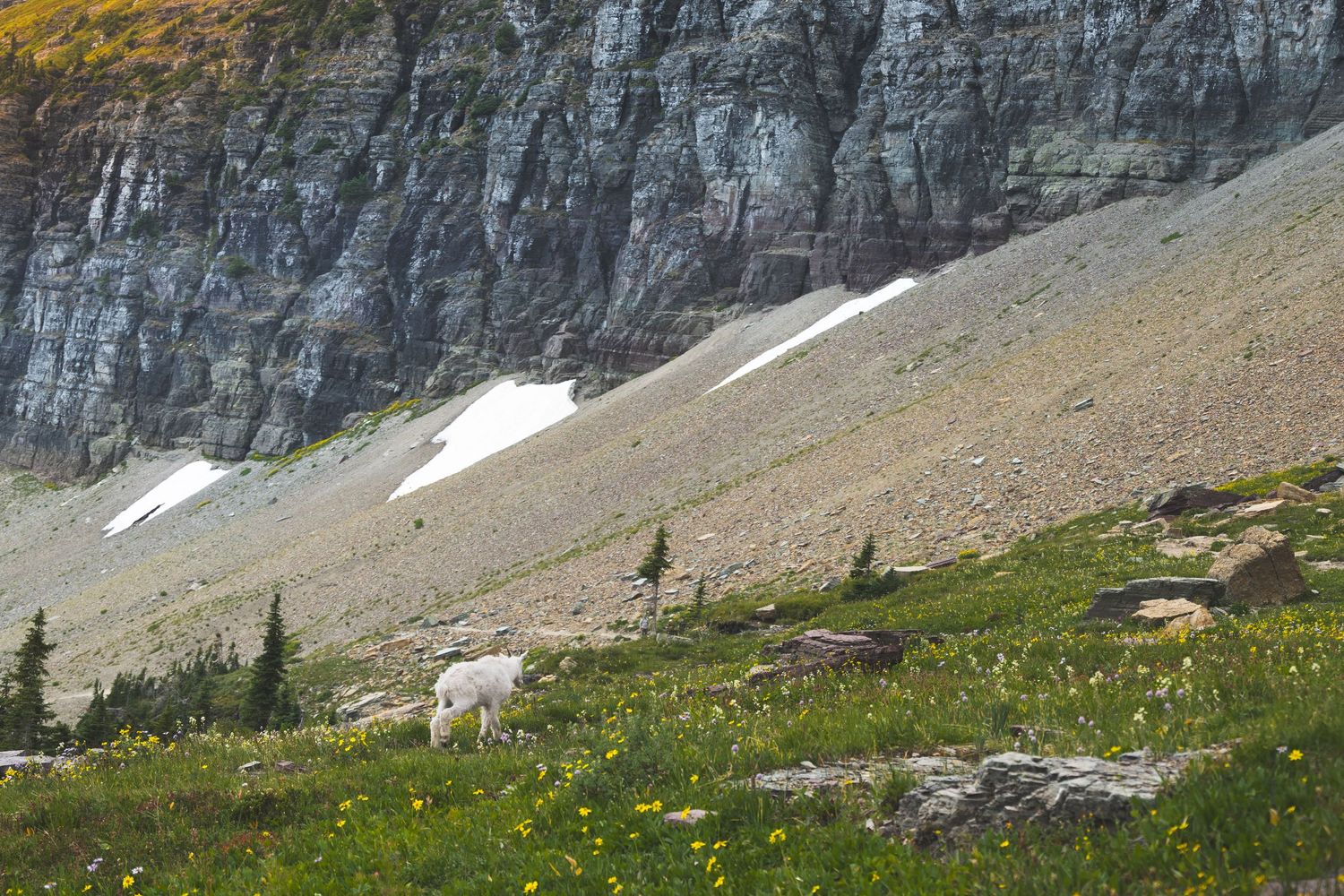
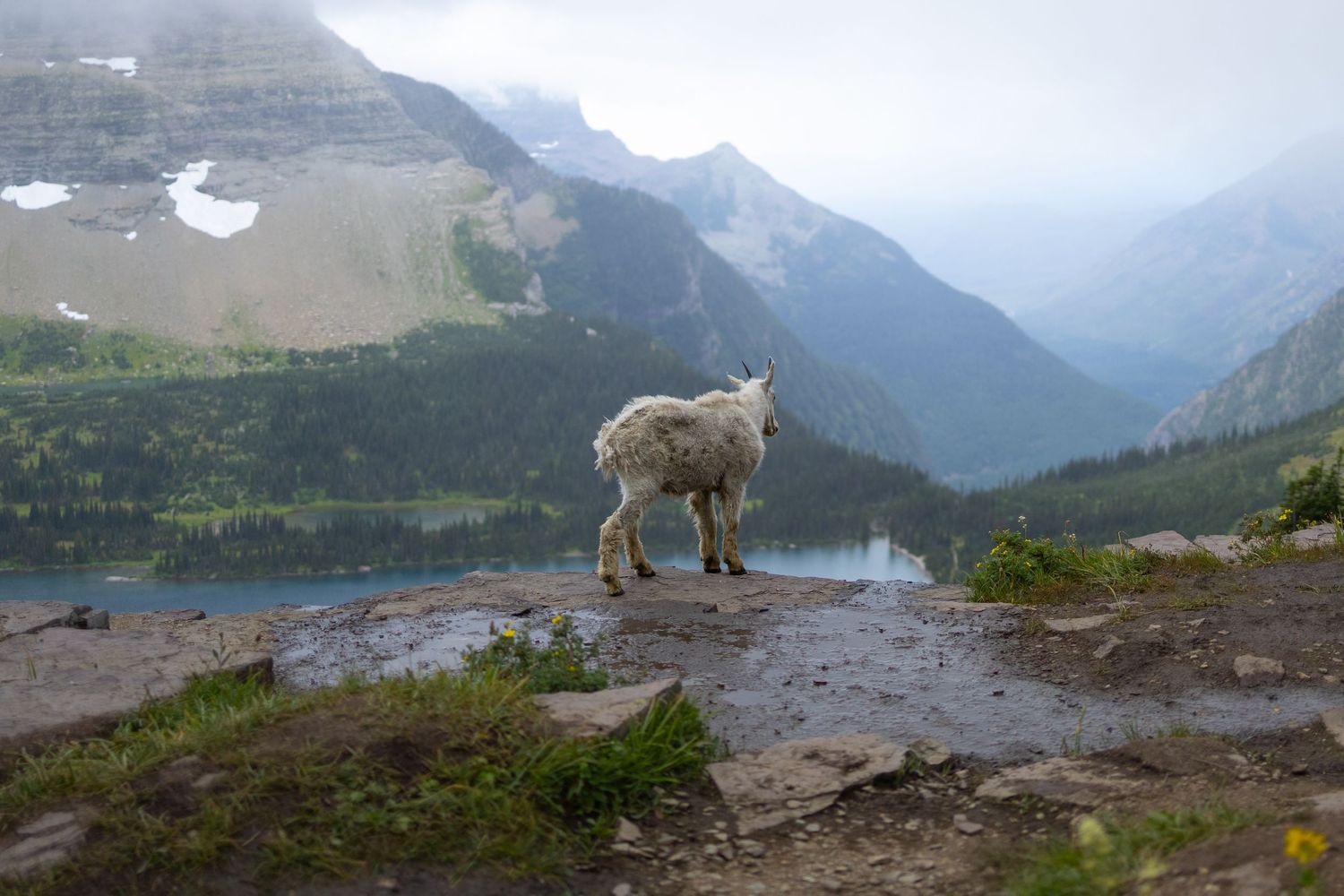
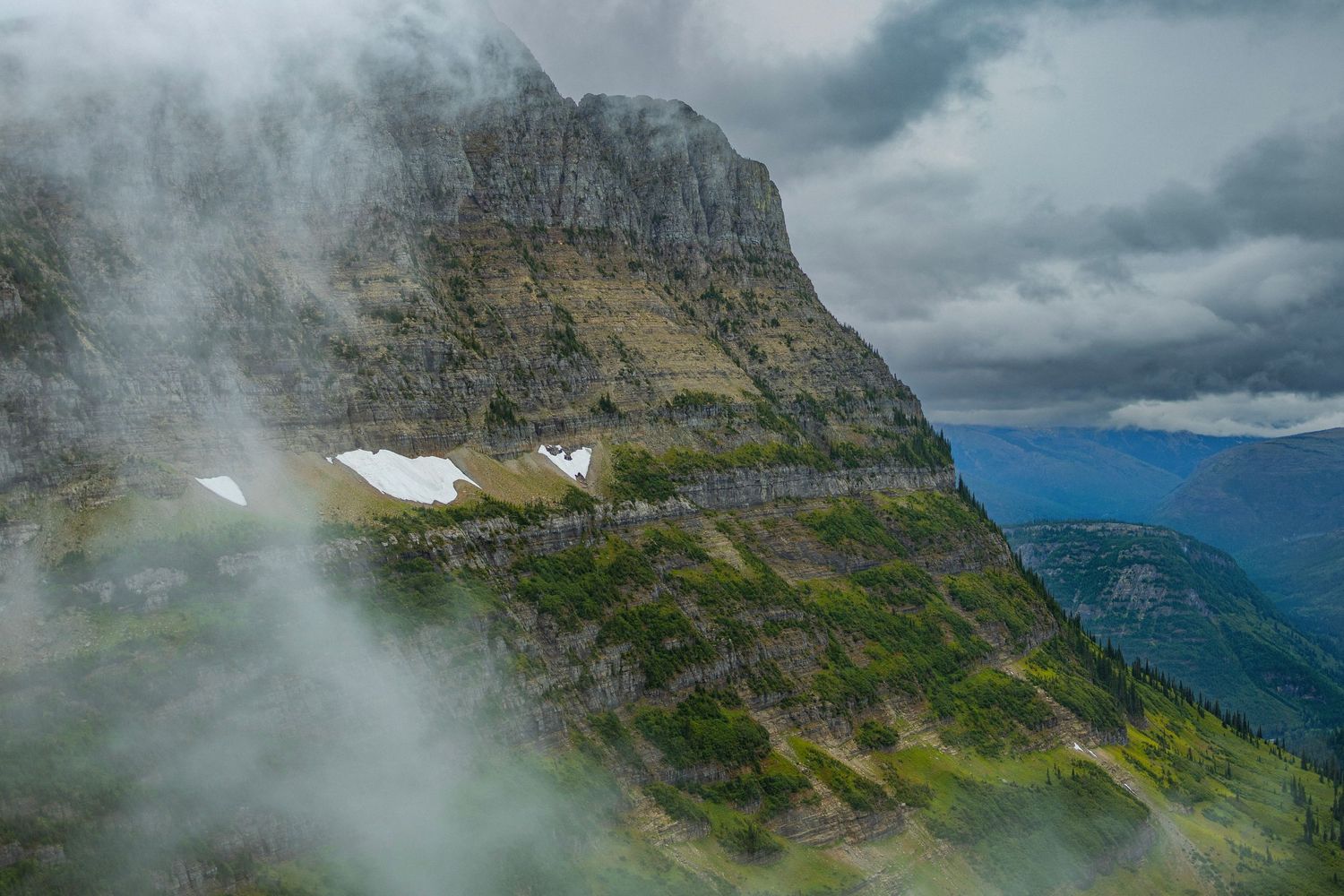
I started the Hidden Lake hike in a thick cloud of fog and light rain. Conditions held all the way to the overlook: gray, close, quiet. Then the clouds thinned, the view opened up, and the goats appeared. And they stayed. I had an alpine lake, wildflowers, deep evergreens, rocky cliffs, and drifting fog to work with. I sat down and waited for the composition to arrive. The goats came closer.
They Aren't Sheep. But They Aren't Goats
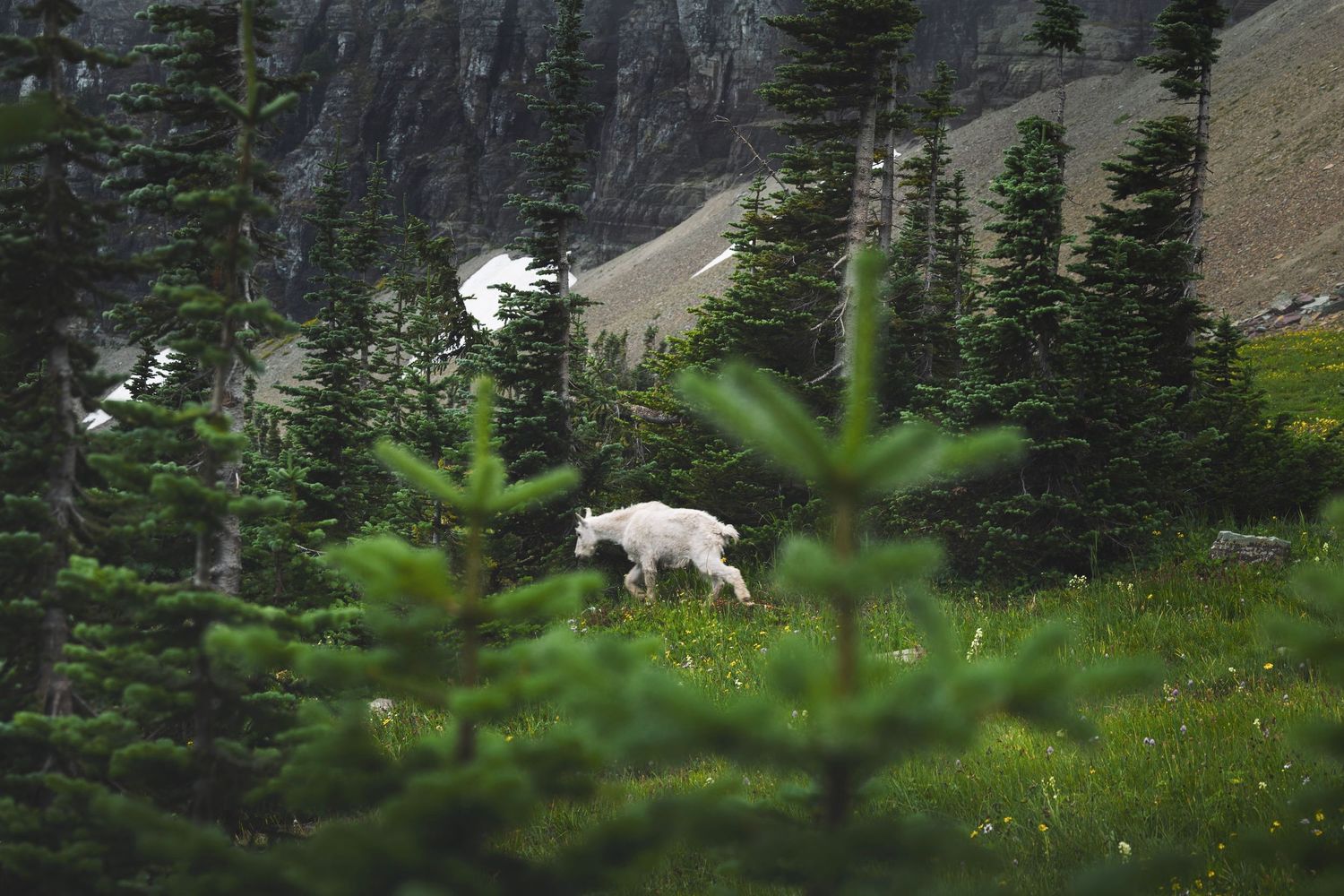
I've corrected a few people who got long-horn sheep (which look like goats) and mountain goats (which look like sheep) mixed up. Here's what I didn't know: these aren't really goats either. True goats are genus Capra. These are Oreamnos americanus — a separate lineage in the same subfamily, more closely related to chamois, serows, and takins than to anything on a farm. North America has exactly one native species, and this is it.
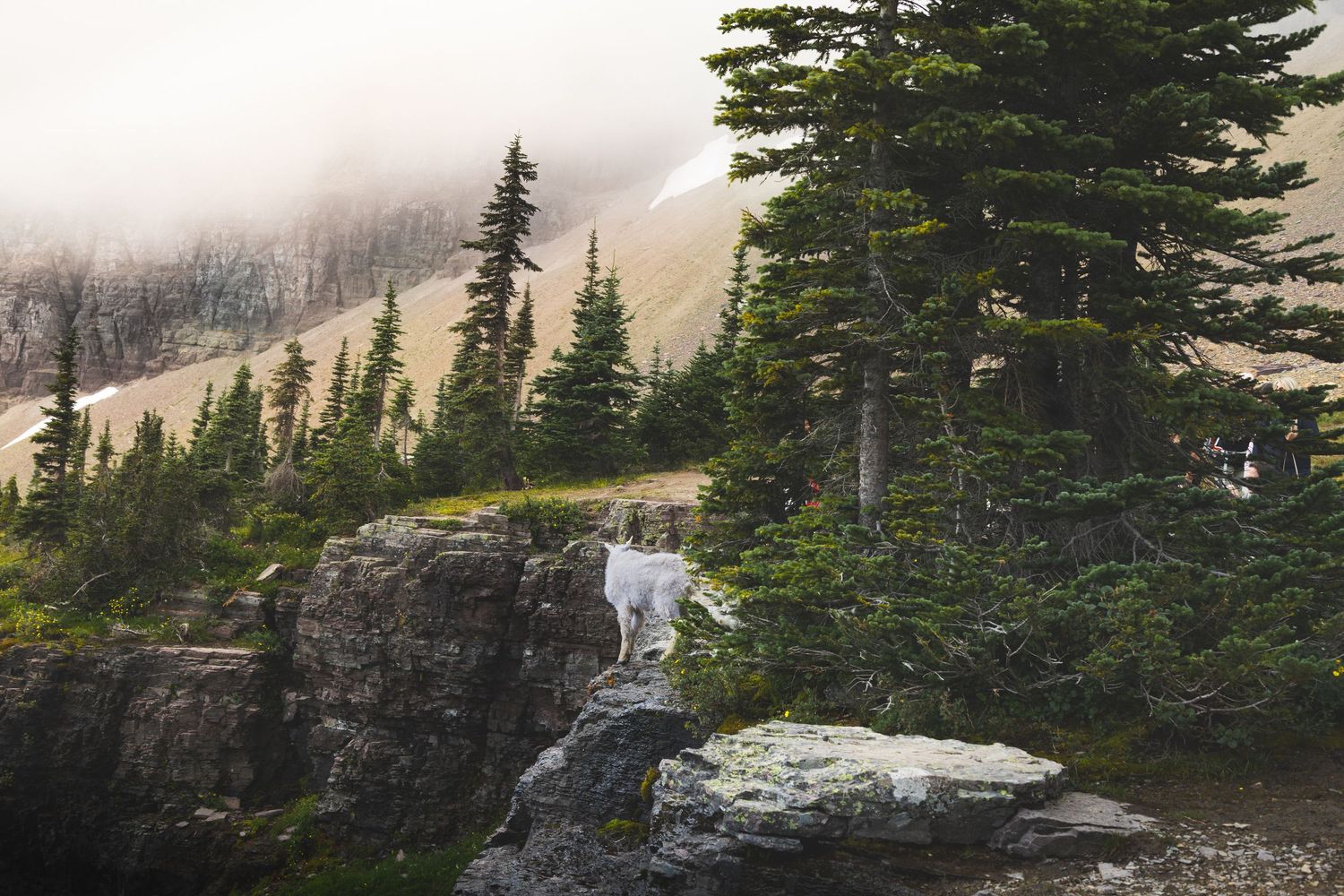
Their ancestors trace back roughly 8 million years, to goat-antelopes wandering around what's now Tibet and Mongolia. Some crossed the Bering land bridge into North America before the last major glaciation locked the route behind them, and the population that made it adapted to exactly the terrain you'd expect: cliffs, scree, and snow.
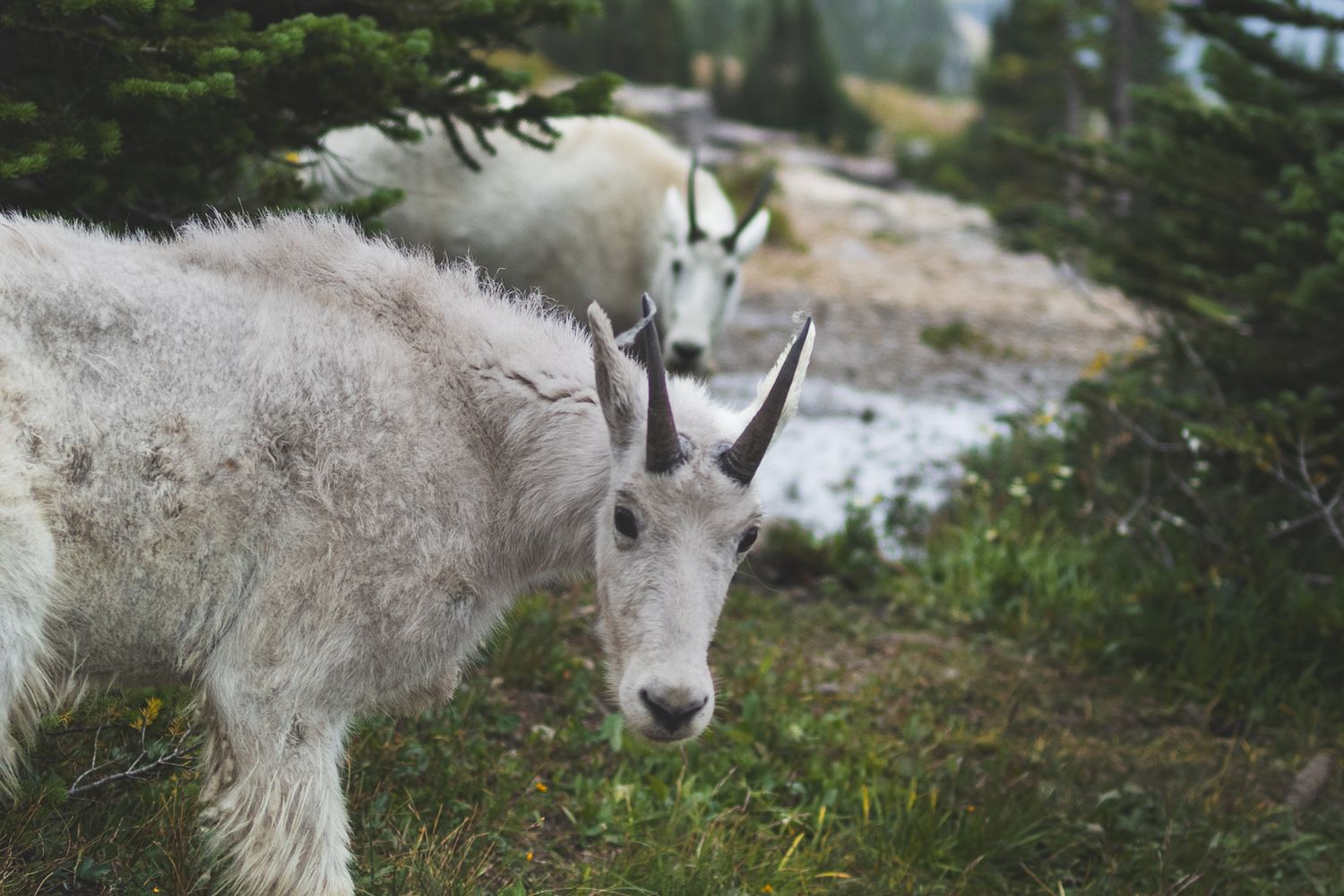
Are Mountain Goats Cuddly?
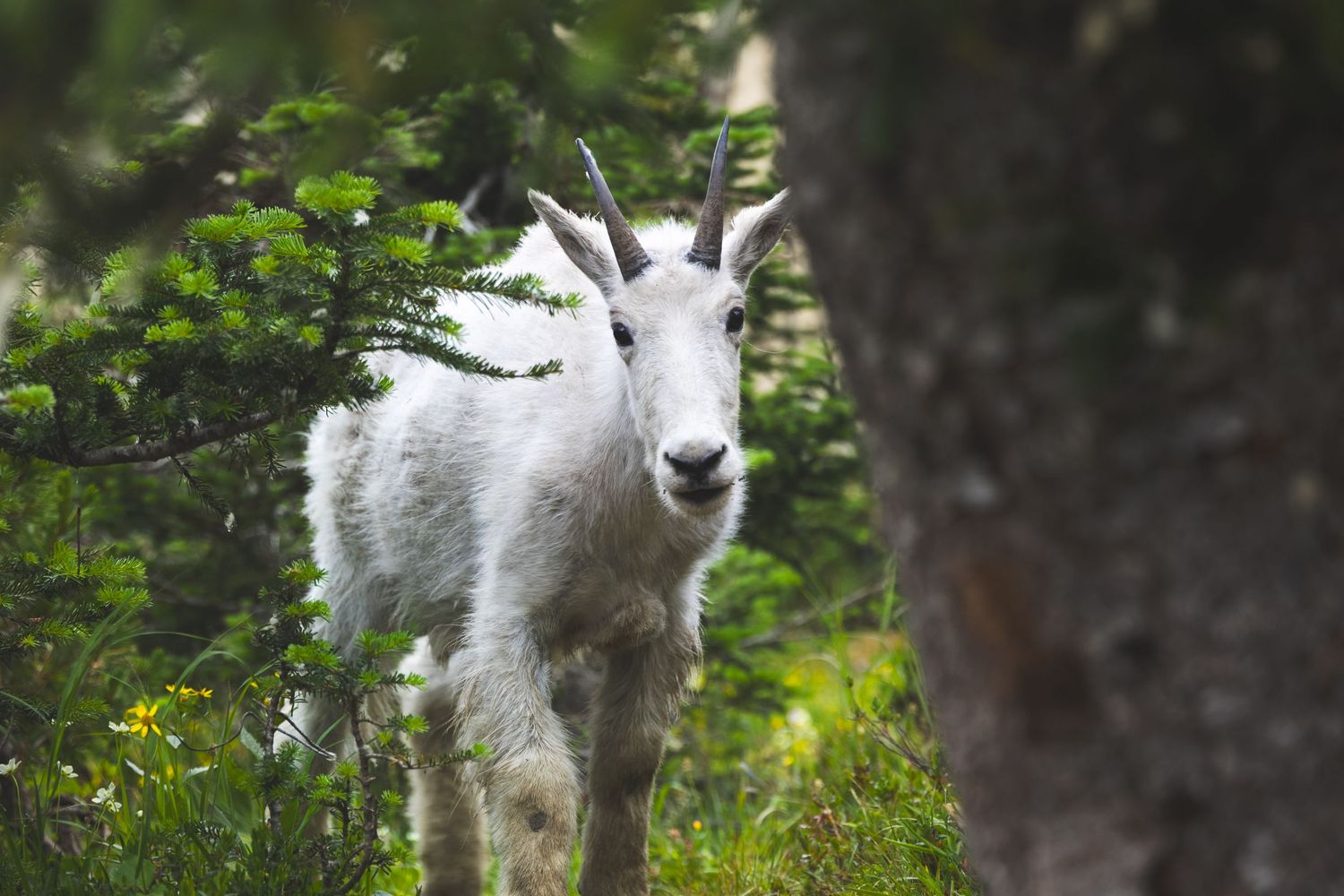
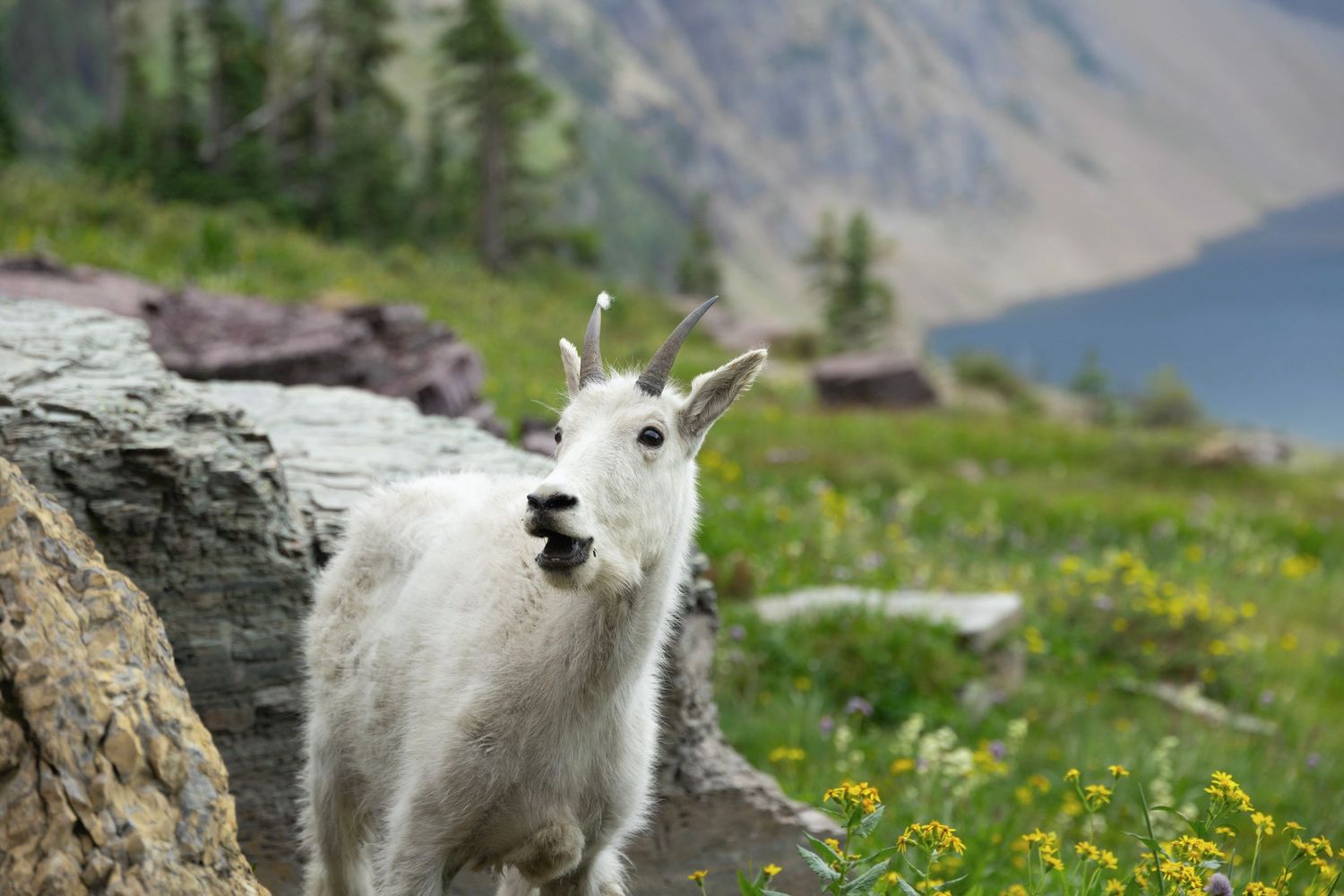
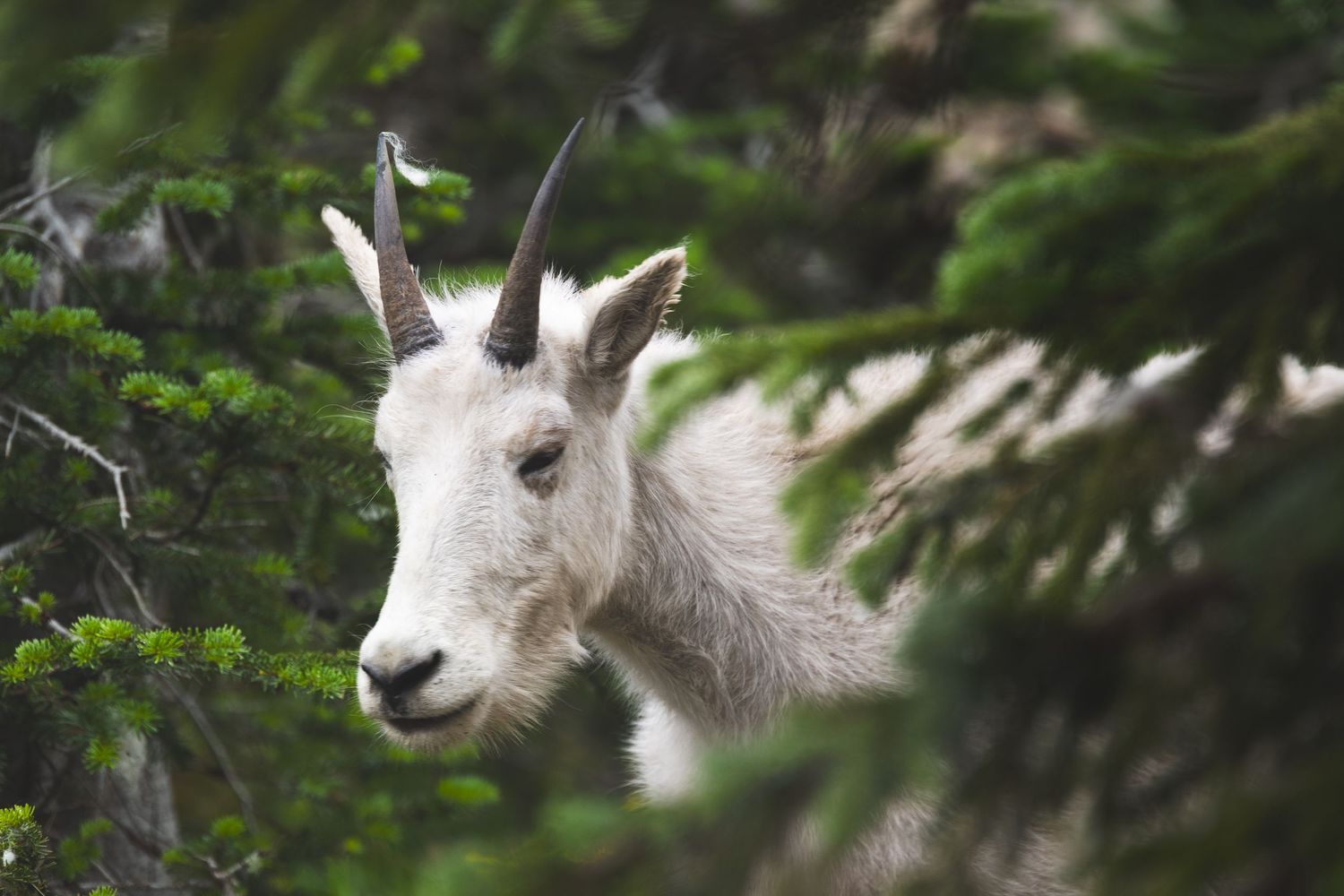
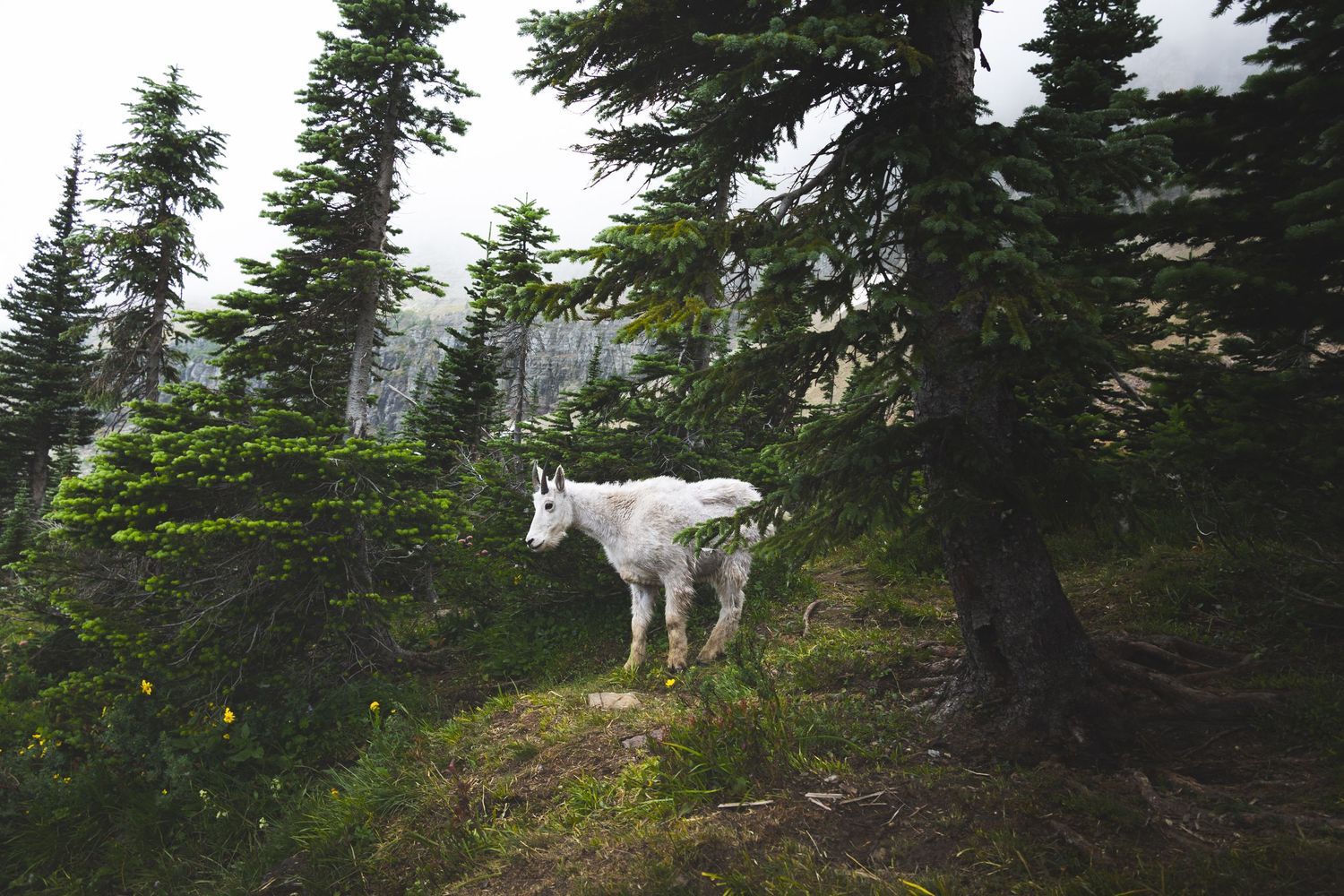
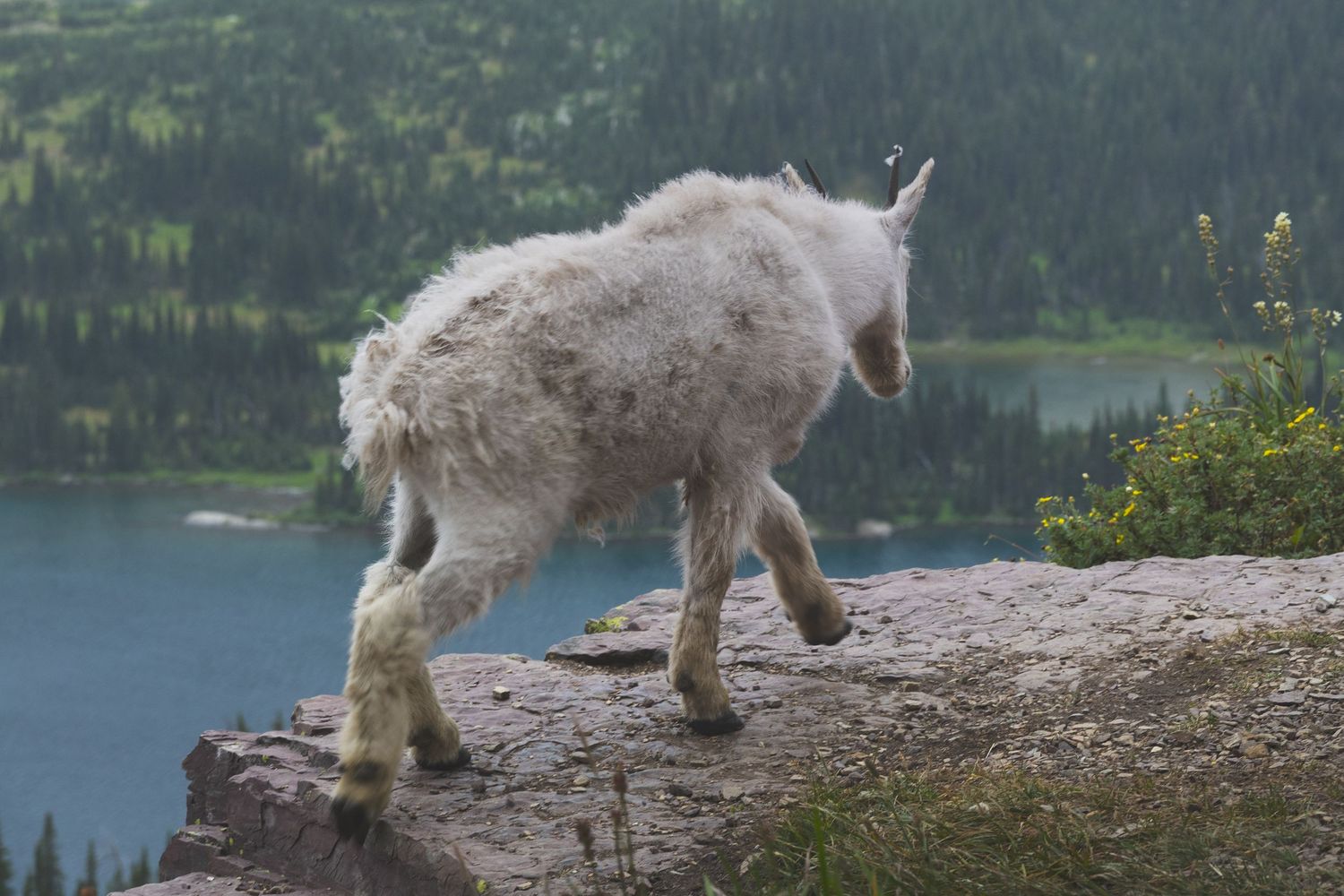
Their hooves have a hard outer shell that grips rock like a climbing shoe, with soft inner pads that work almost like suction on stone. Dewclaws in back add extra purchase on the way up. They have horns — permanent black spikes that get more impressive with age. Under a shaggy white coat is a dense wool undercoat that gets them through winters at -46°C with 160 km/h wind, then sheds in ragged clumps come summer. They need salt, just like us. And humans shed quite a bit of salt. It's hard to say whether they are curious about humans or just after our minerals.
They look like gentle, cuddly space aliens (those eyes!). But don't get too comfortable. In 2021, a mountain goat in another park killed a grizzly bear in a fight. A grizzly bear! A human would lose that fight every time (thus the $40-million-a-year bear spray market).
Getting to the Goats
The Hidden Lake hike doesn't happen without getting to Logan Pass, which in 2026 is its own small ordeal. The park now runs shuttles up from both Apgar and St. Mary, but they're ticketed — reservations go live on Recreation.gov 60 days out or the evening before, and the evening-before batch reportedly sells out in about ten seconds. That was my experience. Cell service at the trailheads is close to nonexistent, which does not help. Unless you're an early morning person or already camped inside the park, cracking this code is genuinely tricky. I never quite did.
And if you drive up and park at Logan Pass instead, you now get a hard three-hour limit — a kiosk-issued pass on your dash, rangers checking, tickets (and tire boots!) for anyone who overstays. It's new this year, aimed at turning the lot over faster for everyone else waiting to get in. As someone eager to hike the full-length of Highline Trail, I hated it. But, I mostly agree with it, I just wish they would leave a handful of spaces (charge for them?) for longer durations.
Three Hours at Logan Pass
Three hours sounds like plenty until you're standing at the overlook with goats refusing to leave. I picked hanging out with them over finishing the hike. No regrets. I hiked back to the parking lot, reset my parking timer, and used the next three hours to hike as much of Highline Trail as I could.
I came back the next day to answer this question properly: can you hike to the foot of Hidden Lake and back inside three hours? Yes — I did it. But it's a push, and I didn't find the bottom nearly as scenic as the top. My take: hike past the overlook if you want the extra miles, but don't feel obligated to reach the lake itself. The view doesn't get better down there.
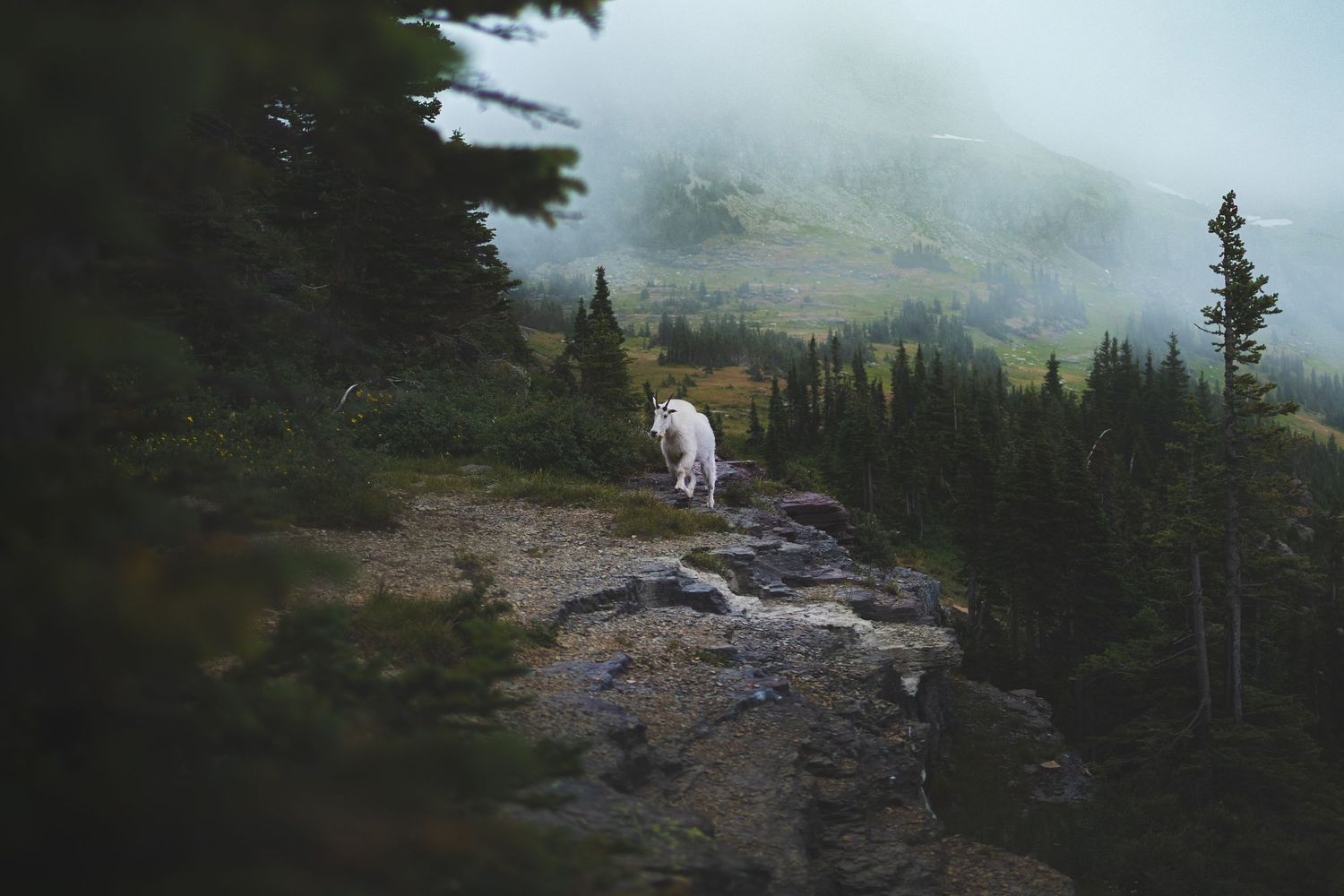
And if you come across mountain goats on the way, obviously, stop everything and take an unreasonable number of photos.
This article and all photos herein: © Brian Gundersdorf, 2026. All rights reserved. For licensing or partnership inquiries, contact Brian Gundersdorf.
About The Author:
Brian Gundersdorf is a strategy-driven, full-stack creative on a solo cross-country journey documenting America's landscapes, trails, and coastlines by car, foot, camera, and keyboard. One month per town: explore, hike, research, write, photograph, video.
PORTFOLIO: www.dreamtup.com/portfolio