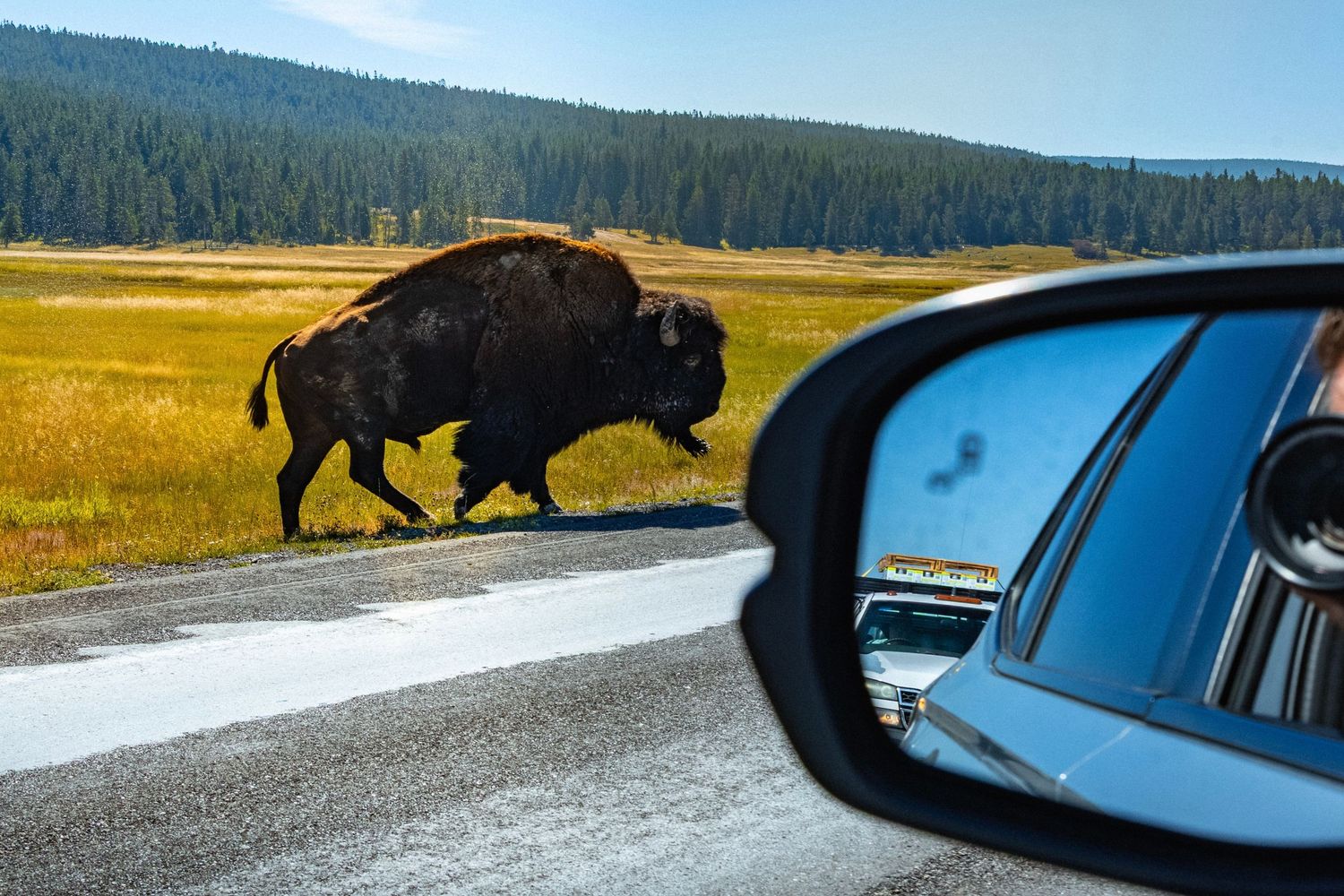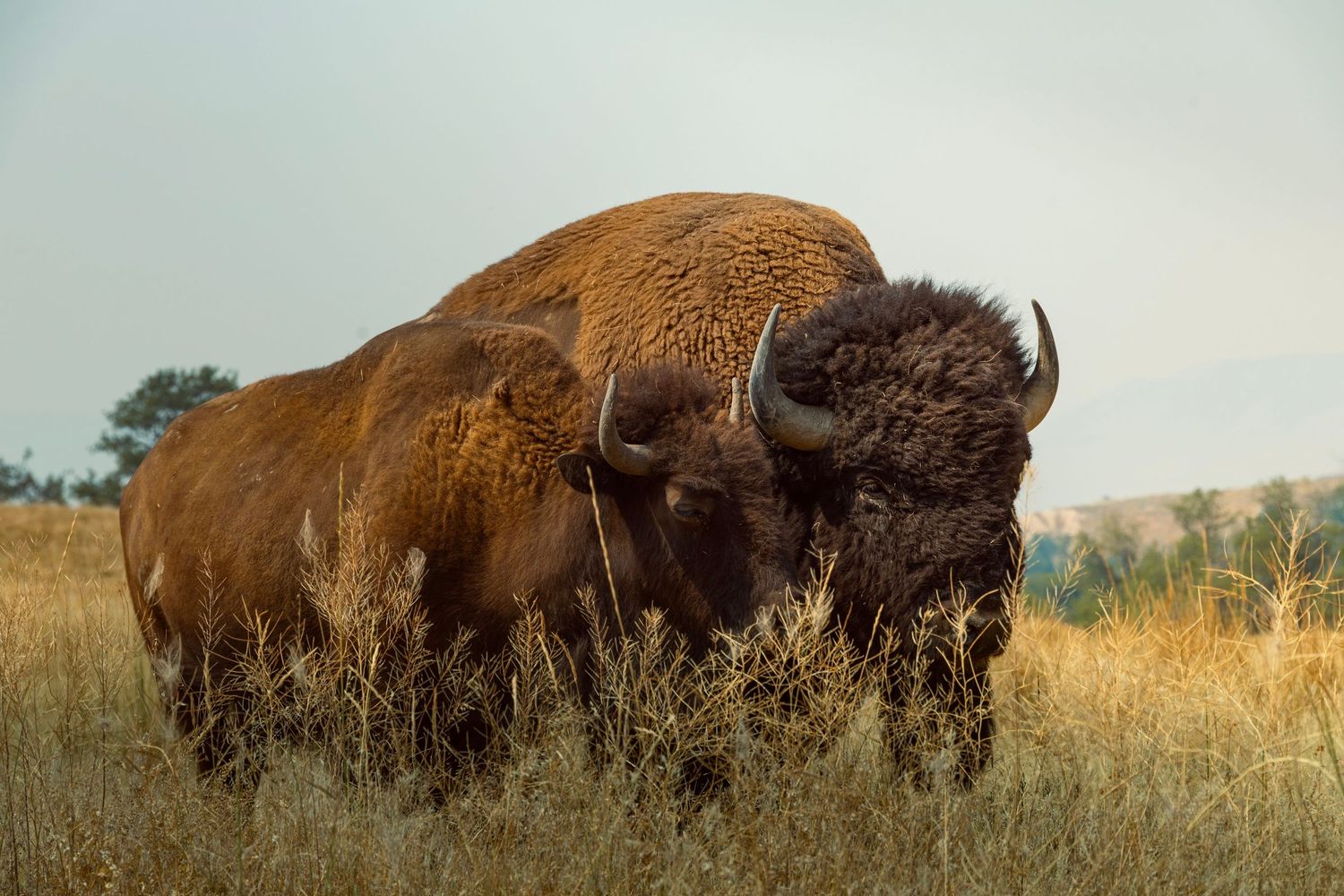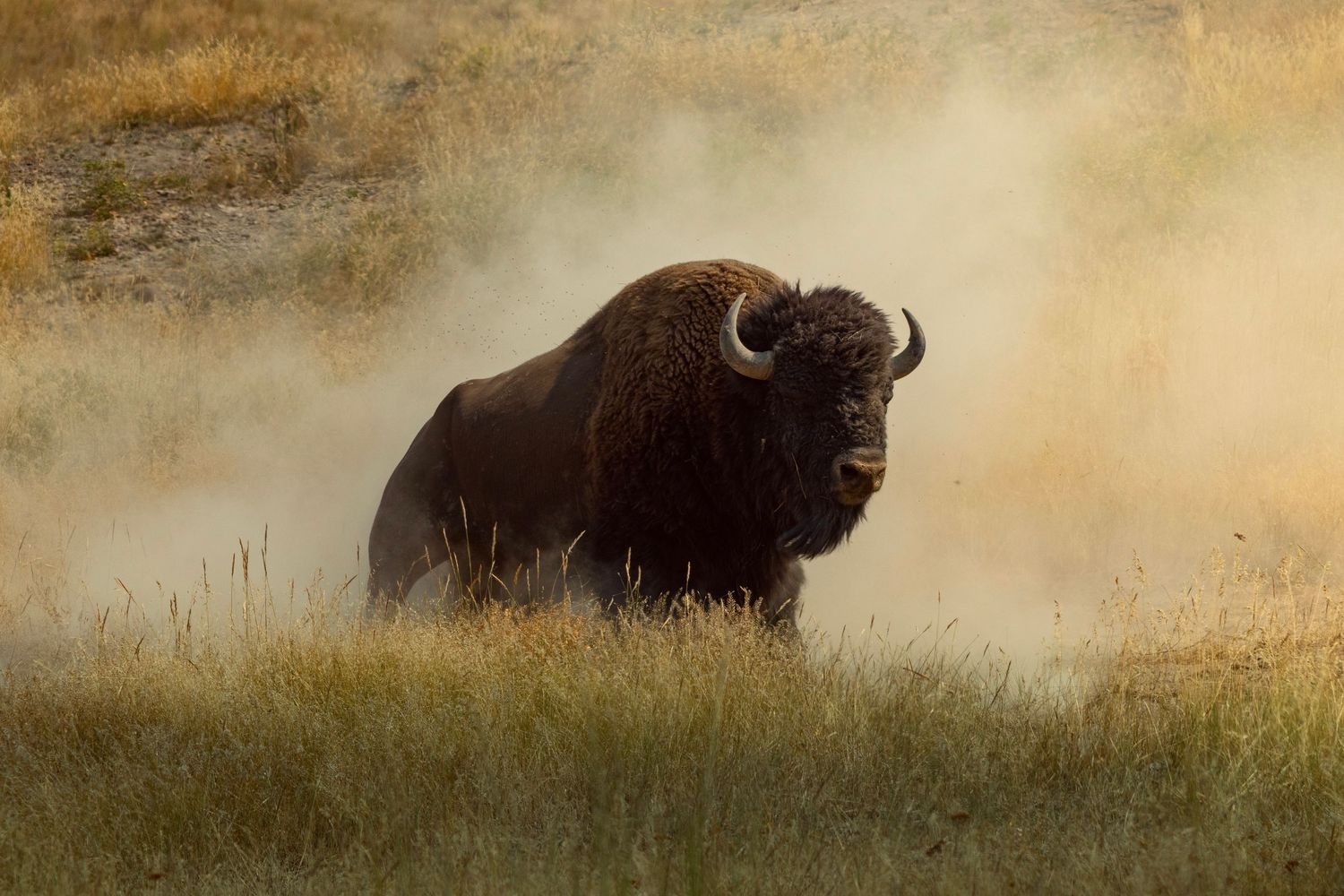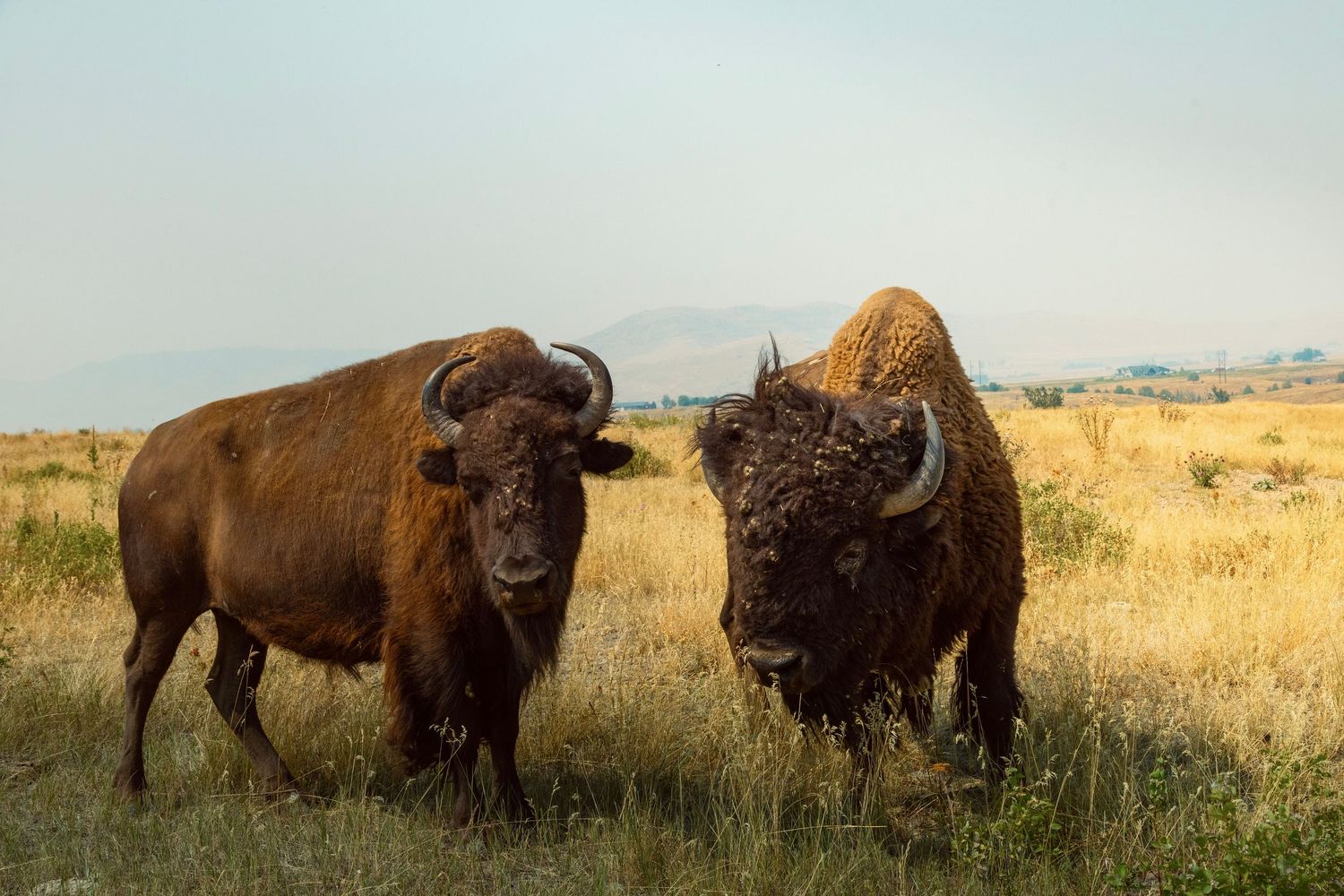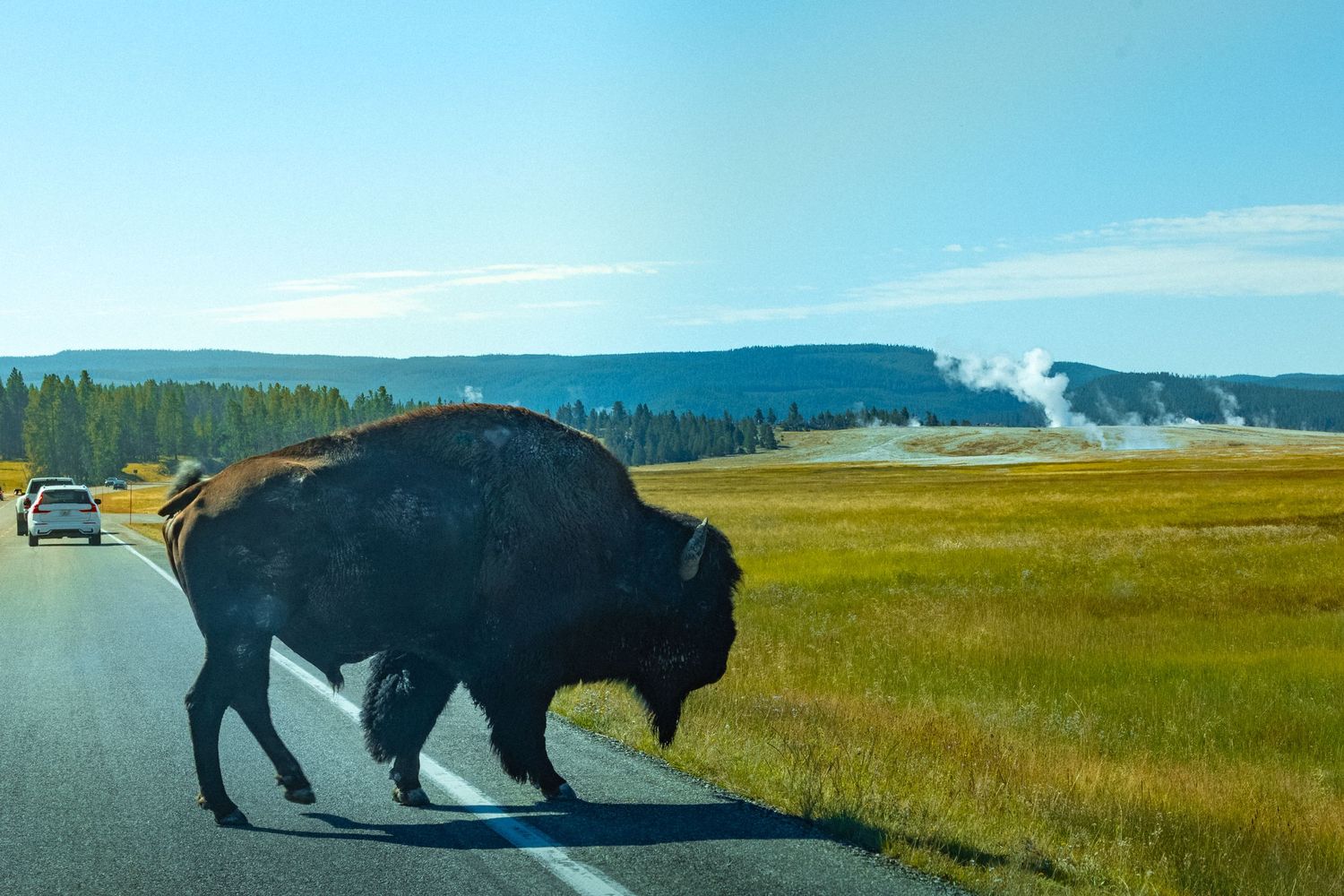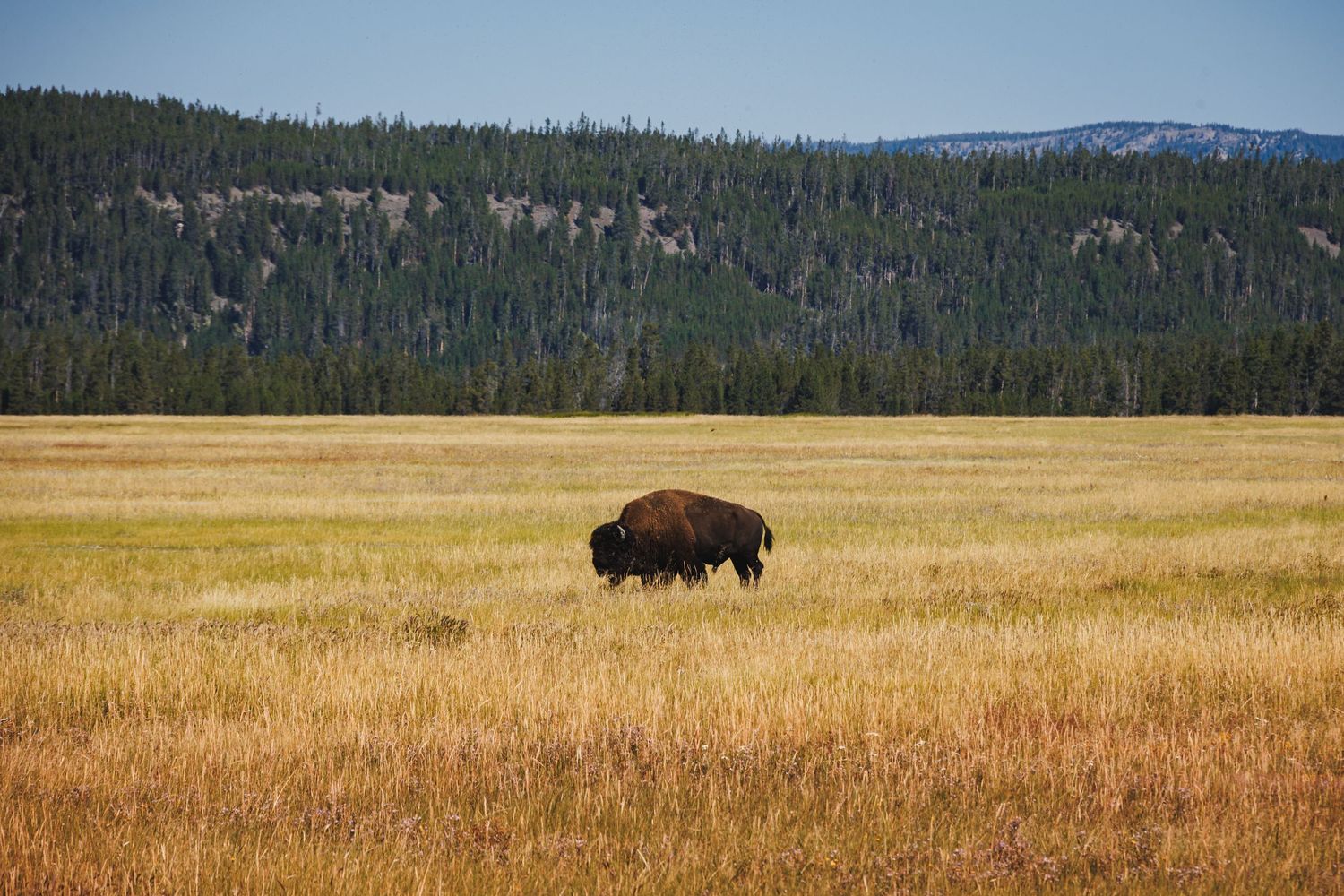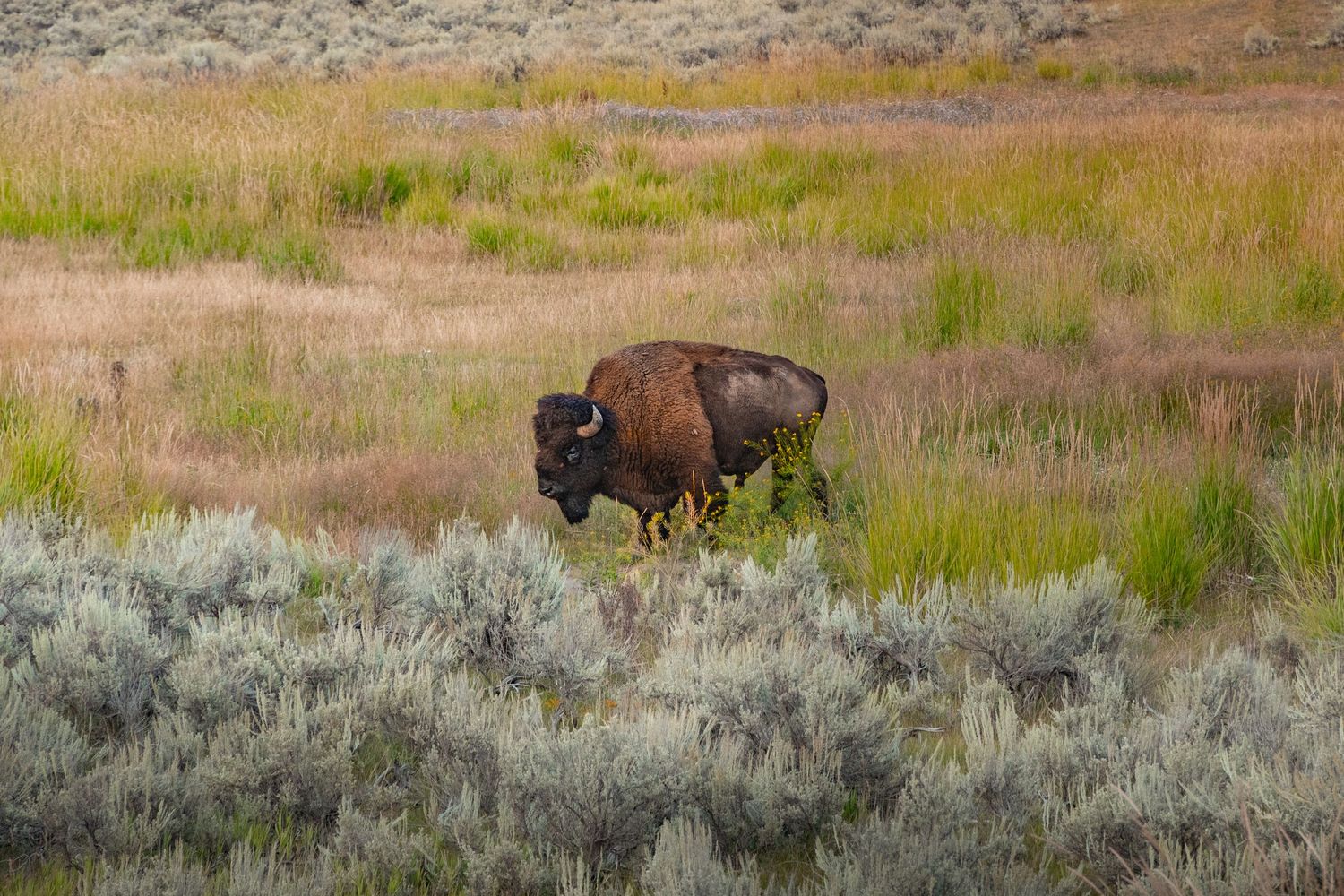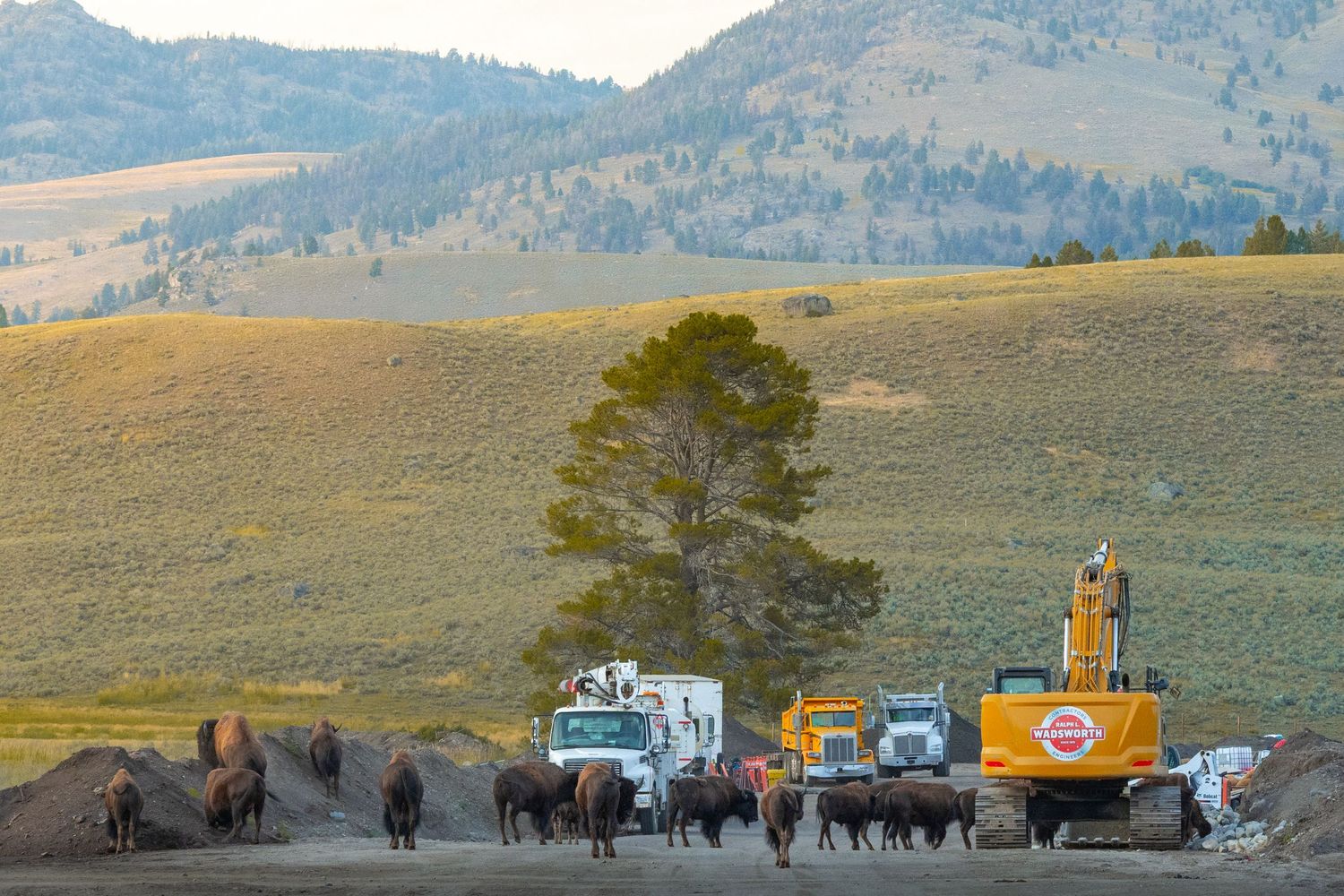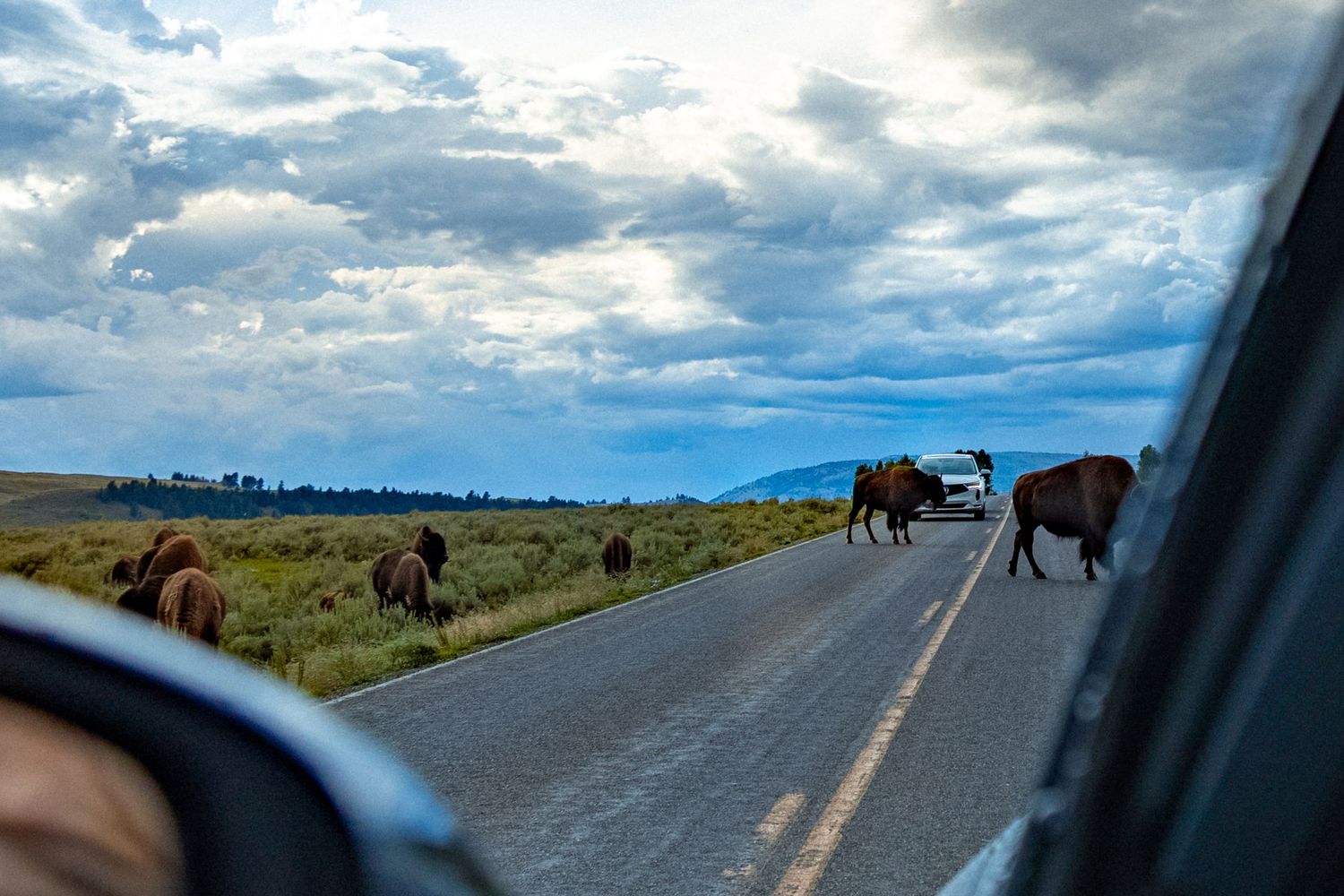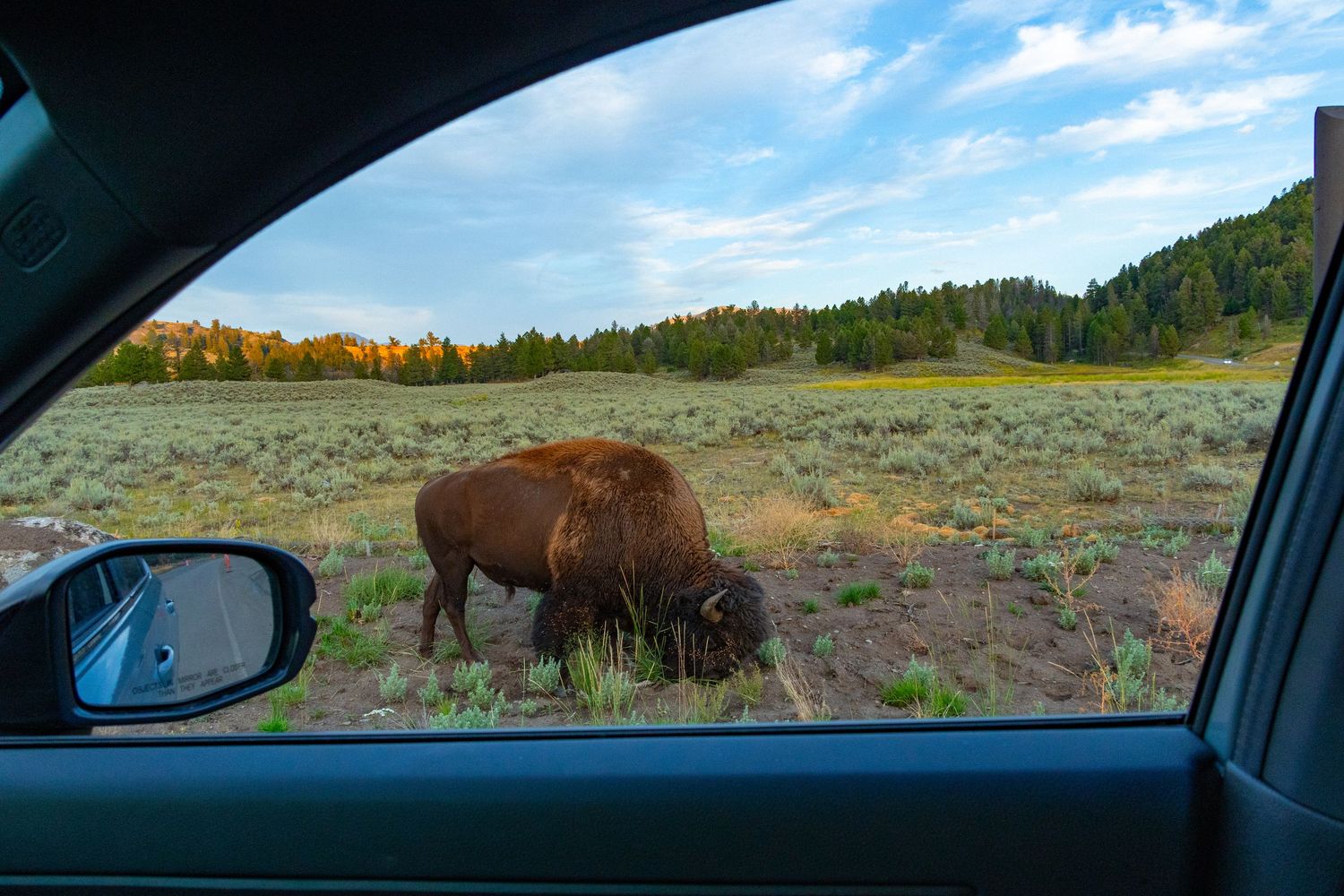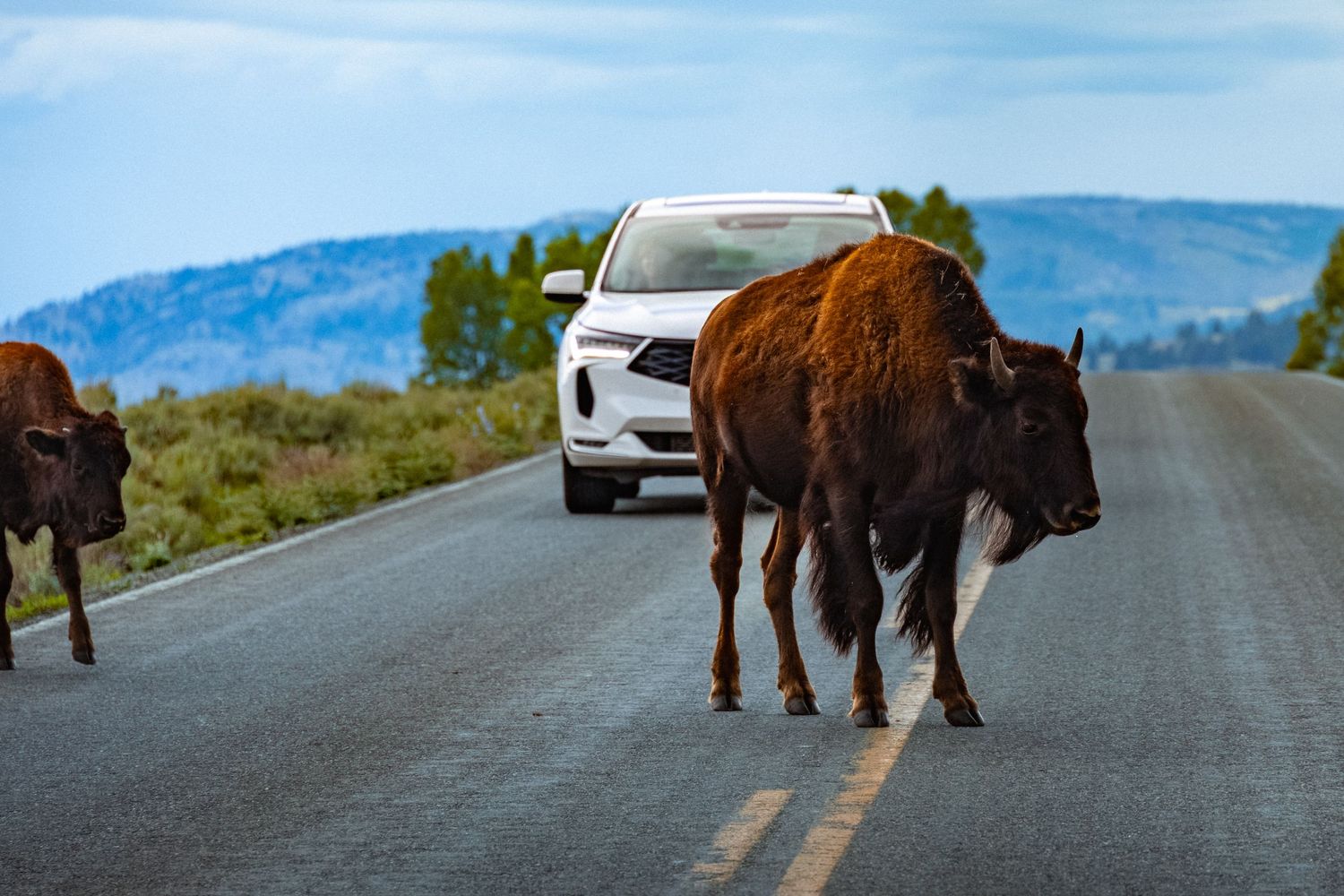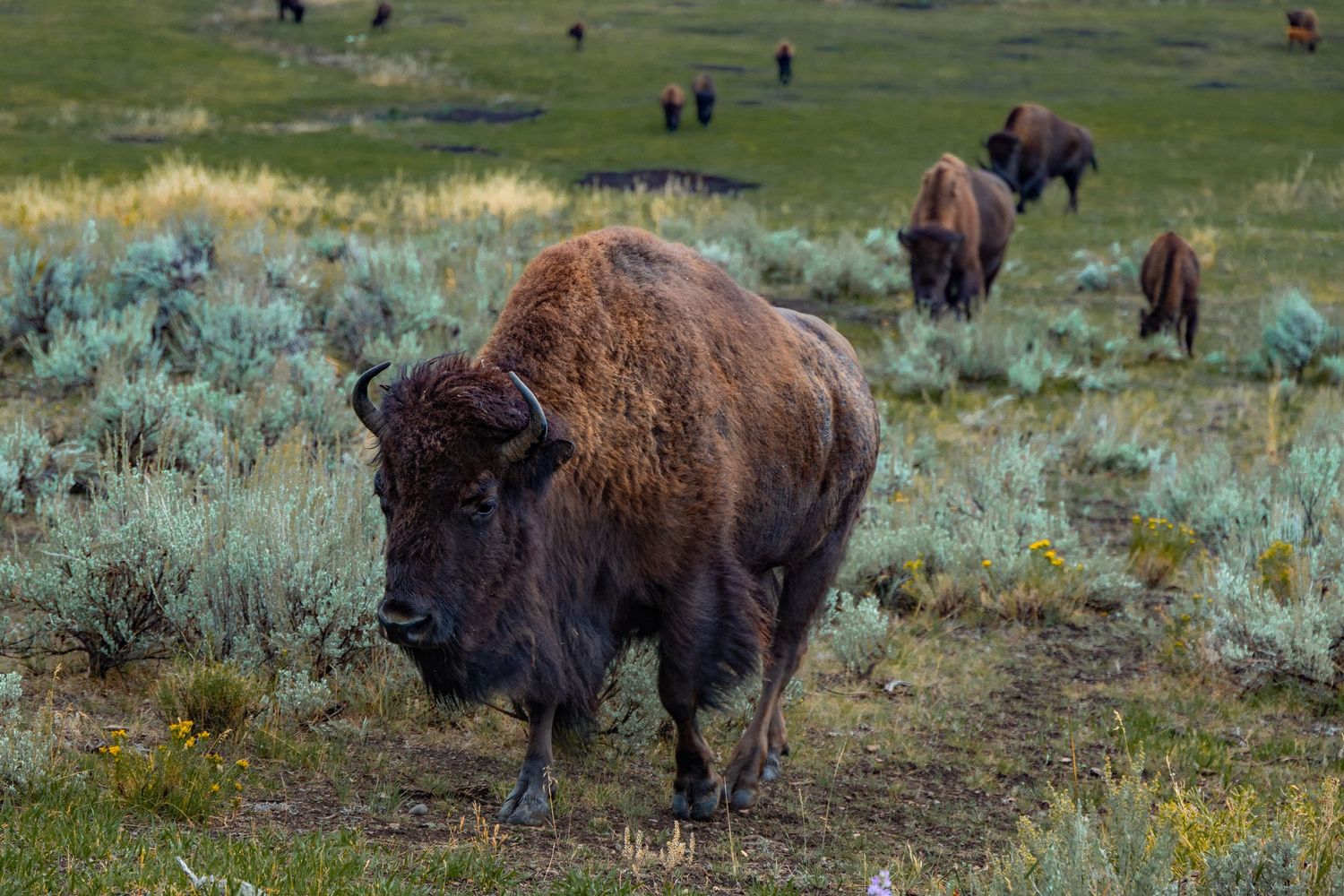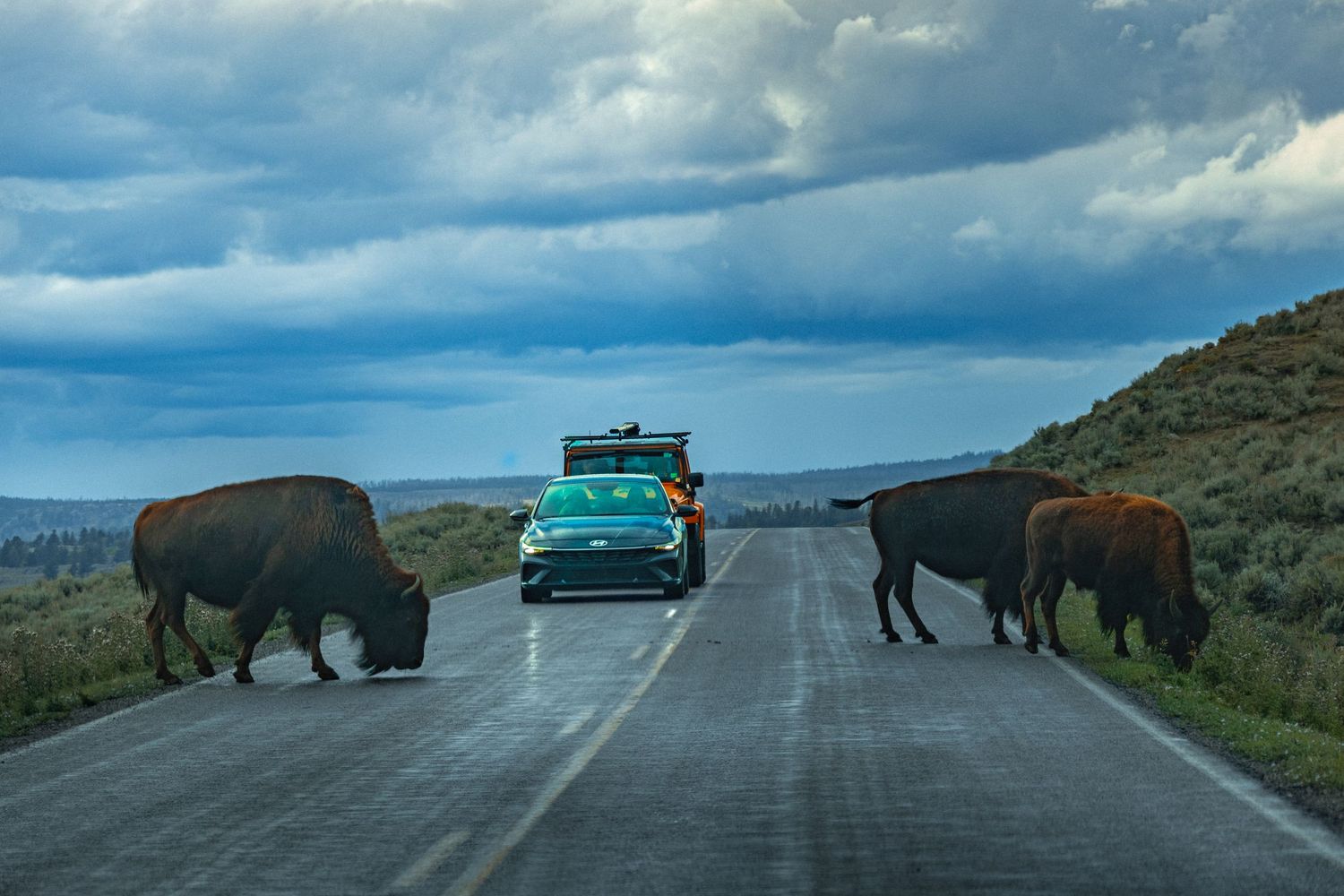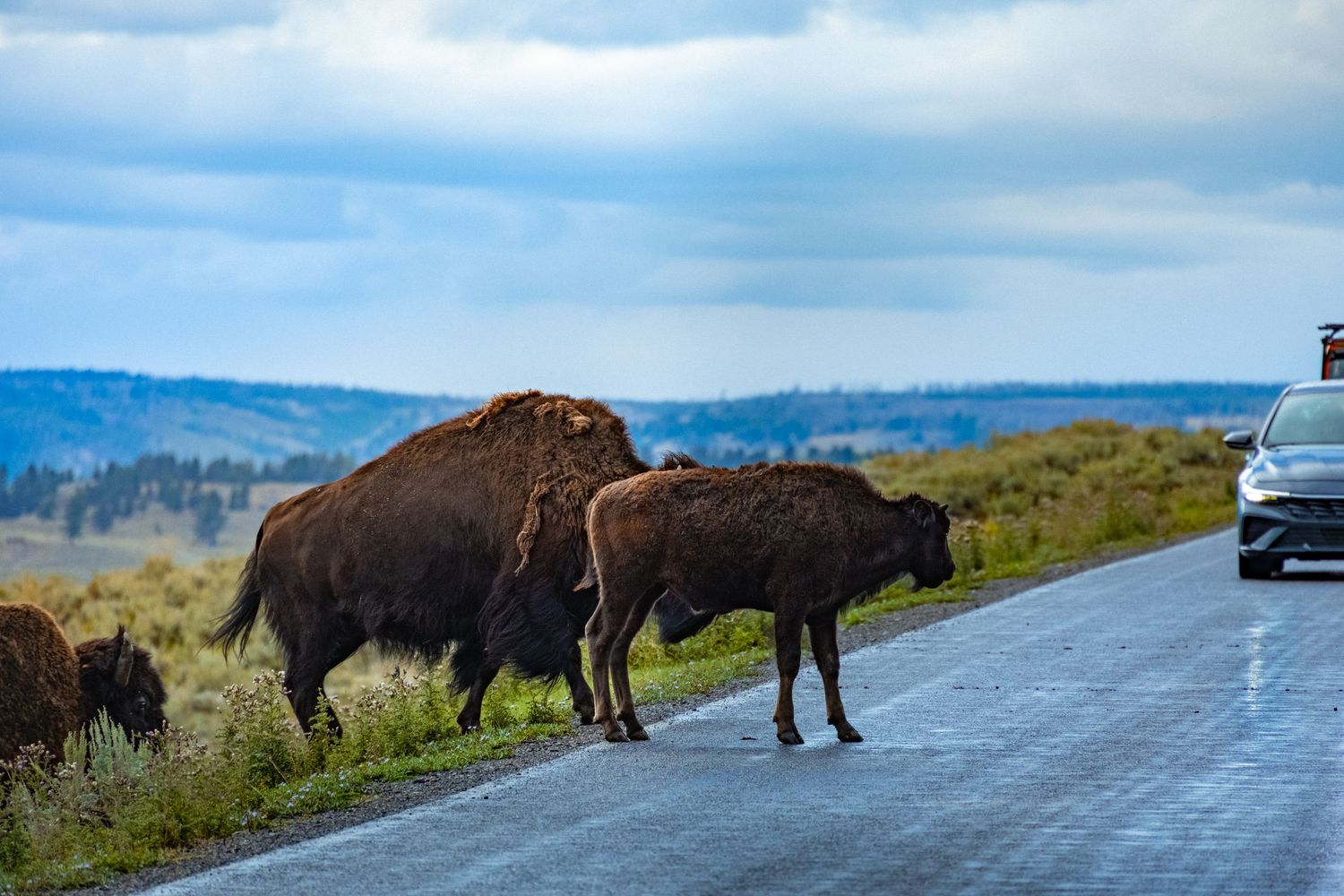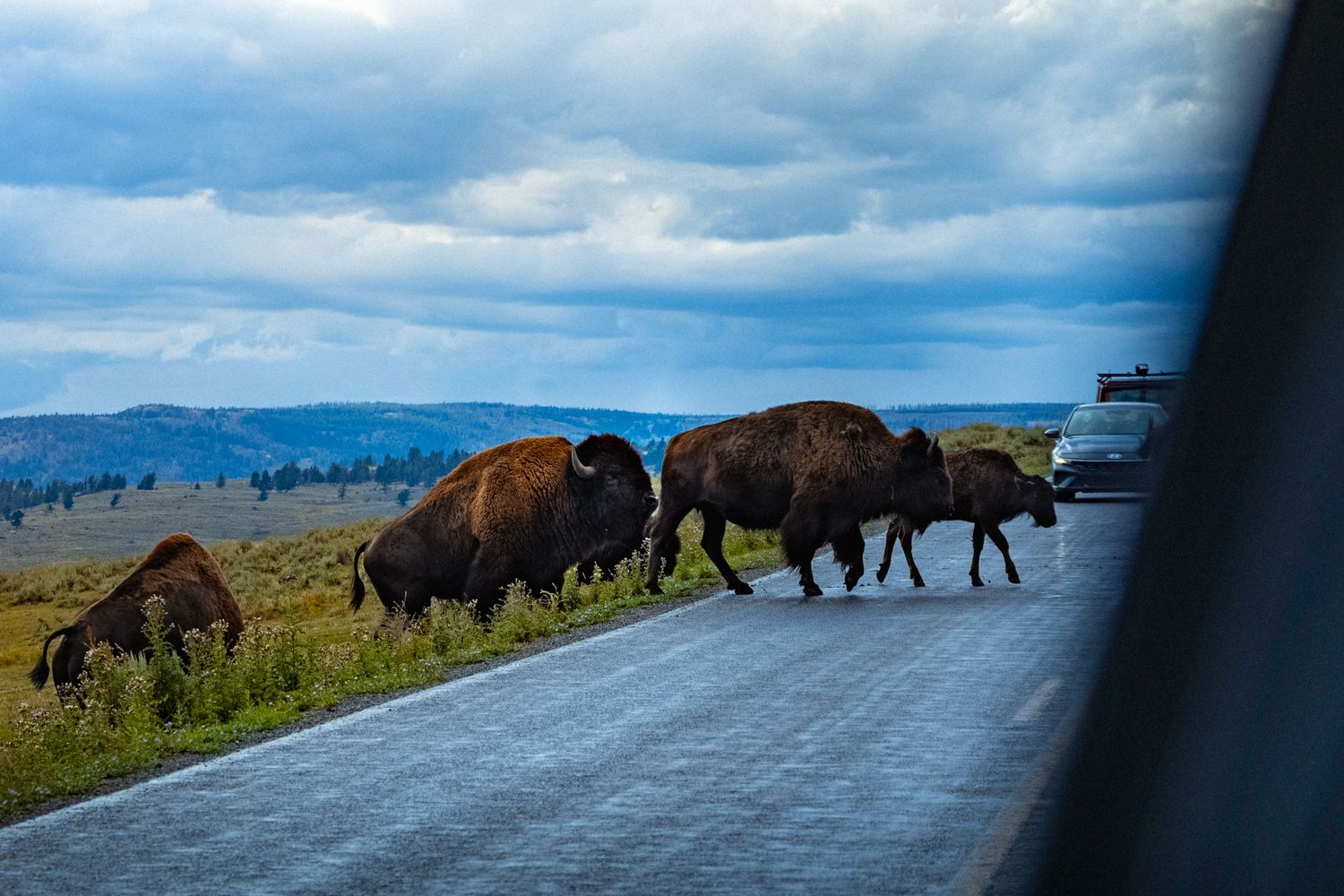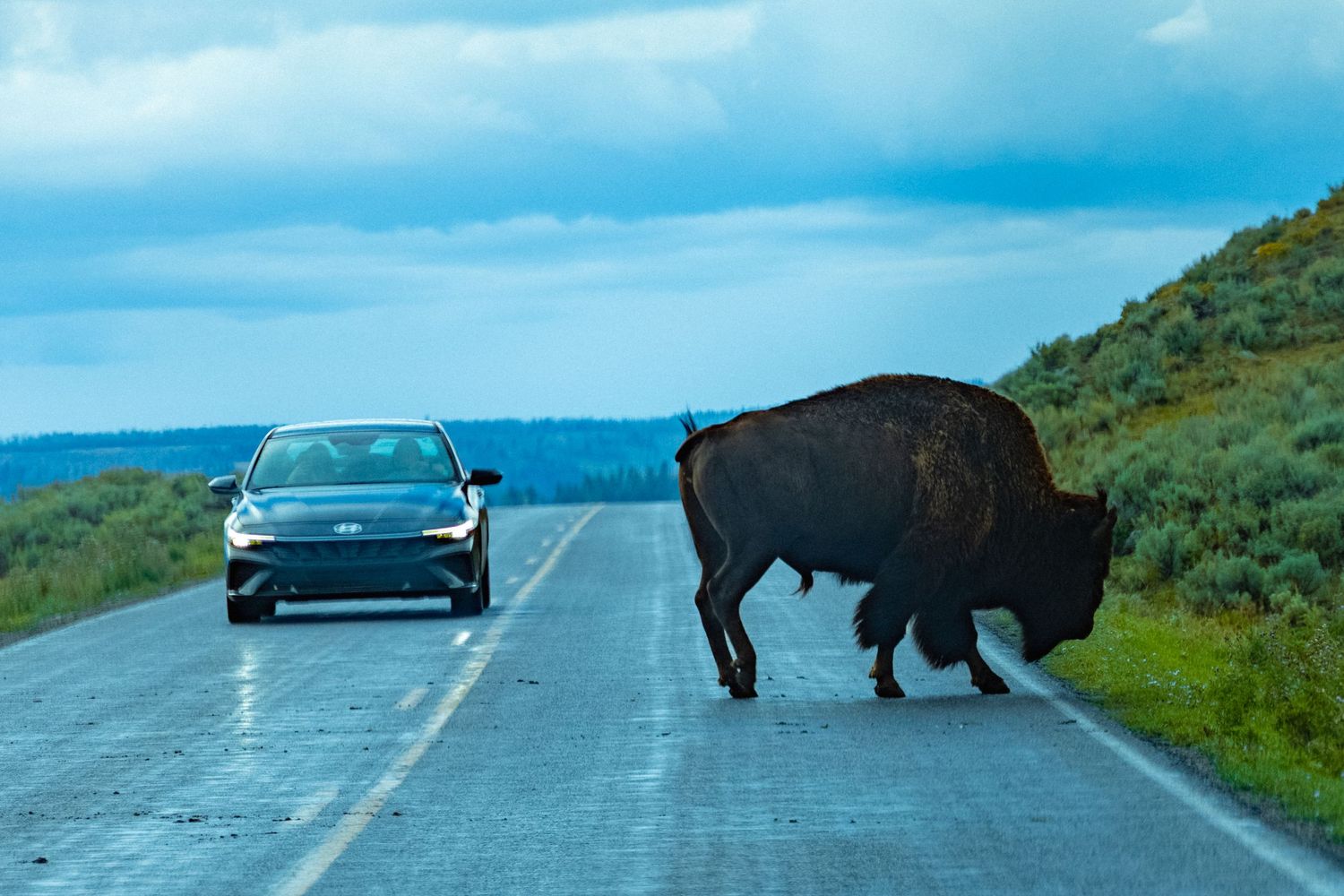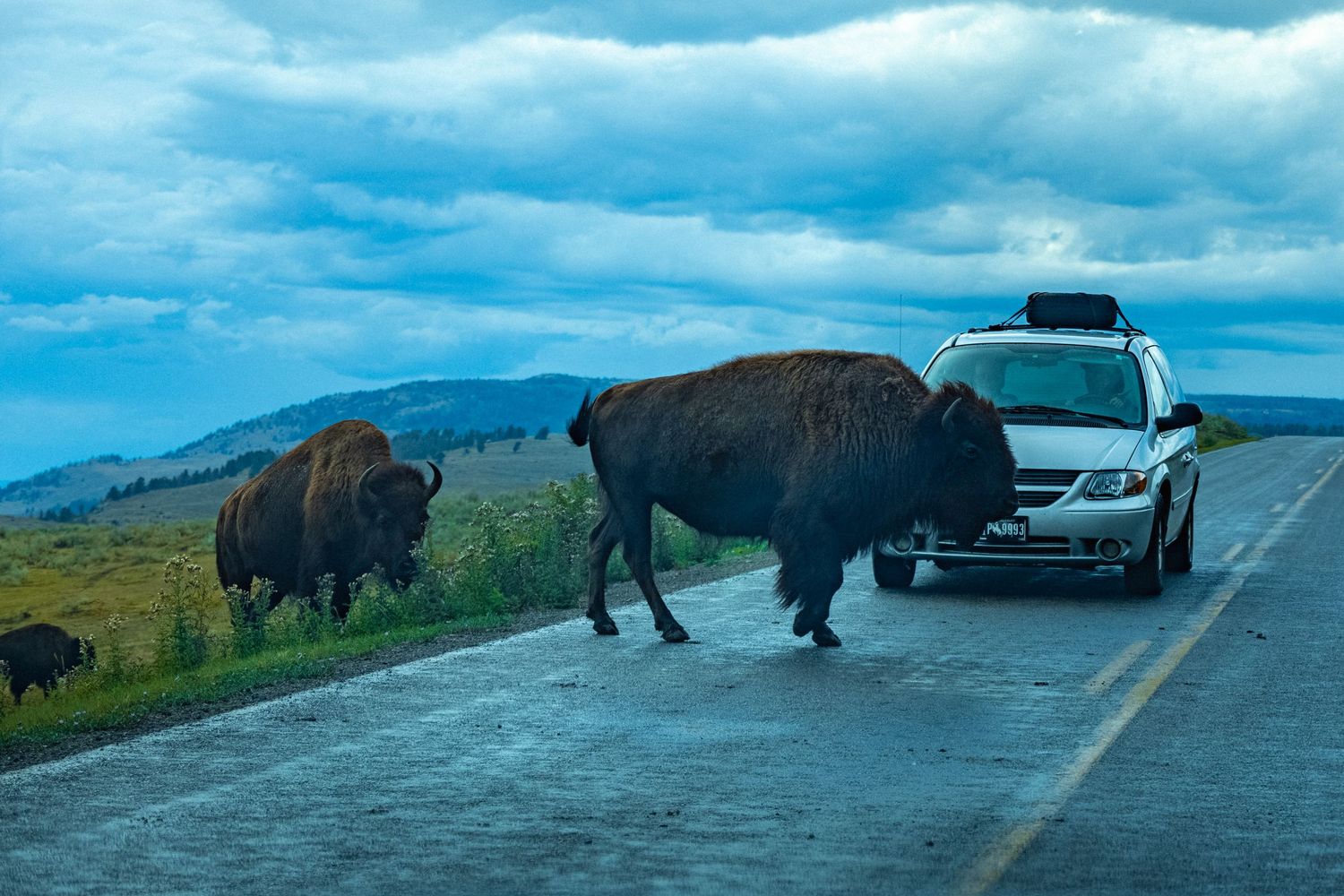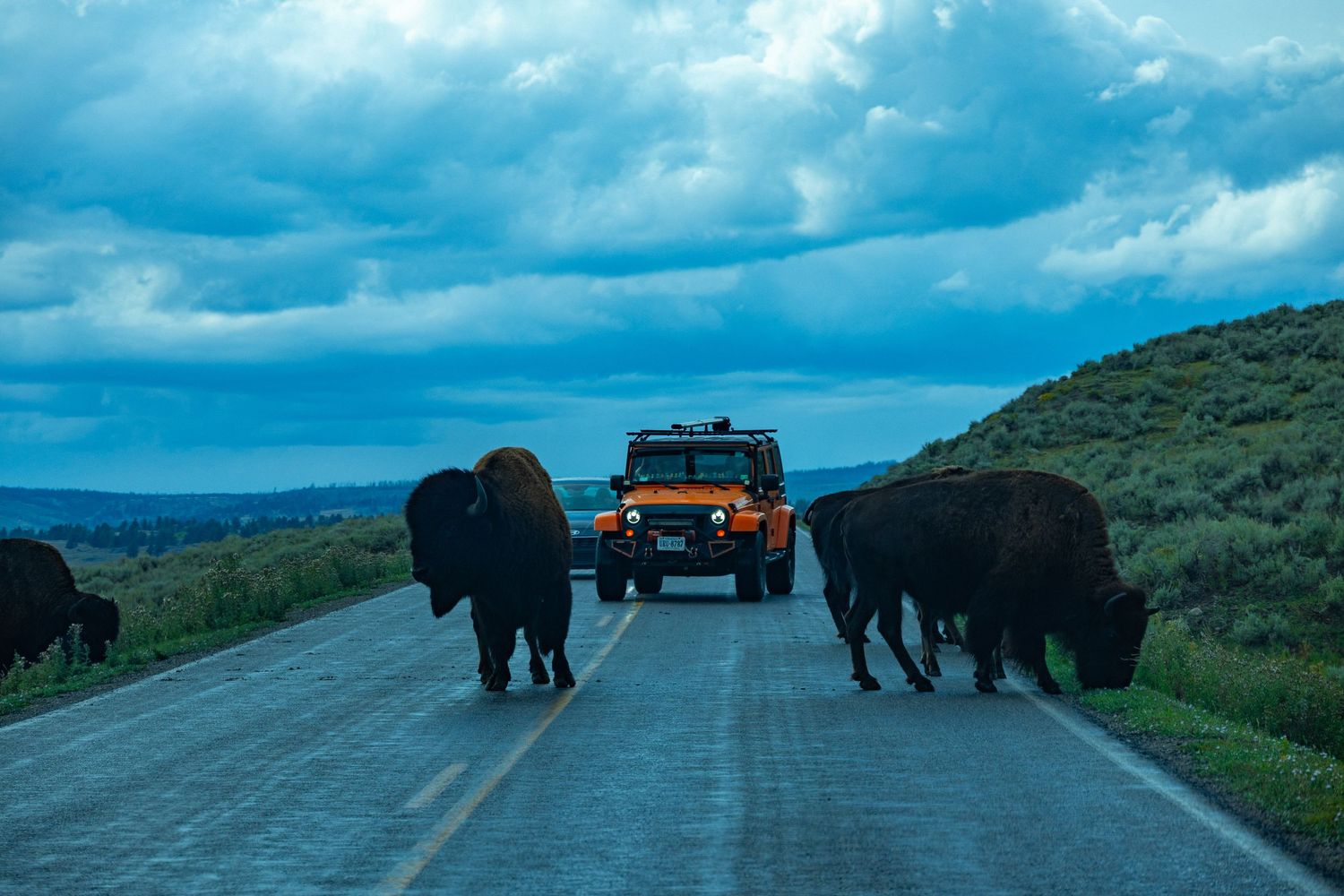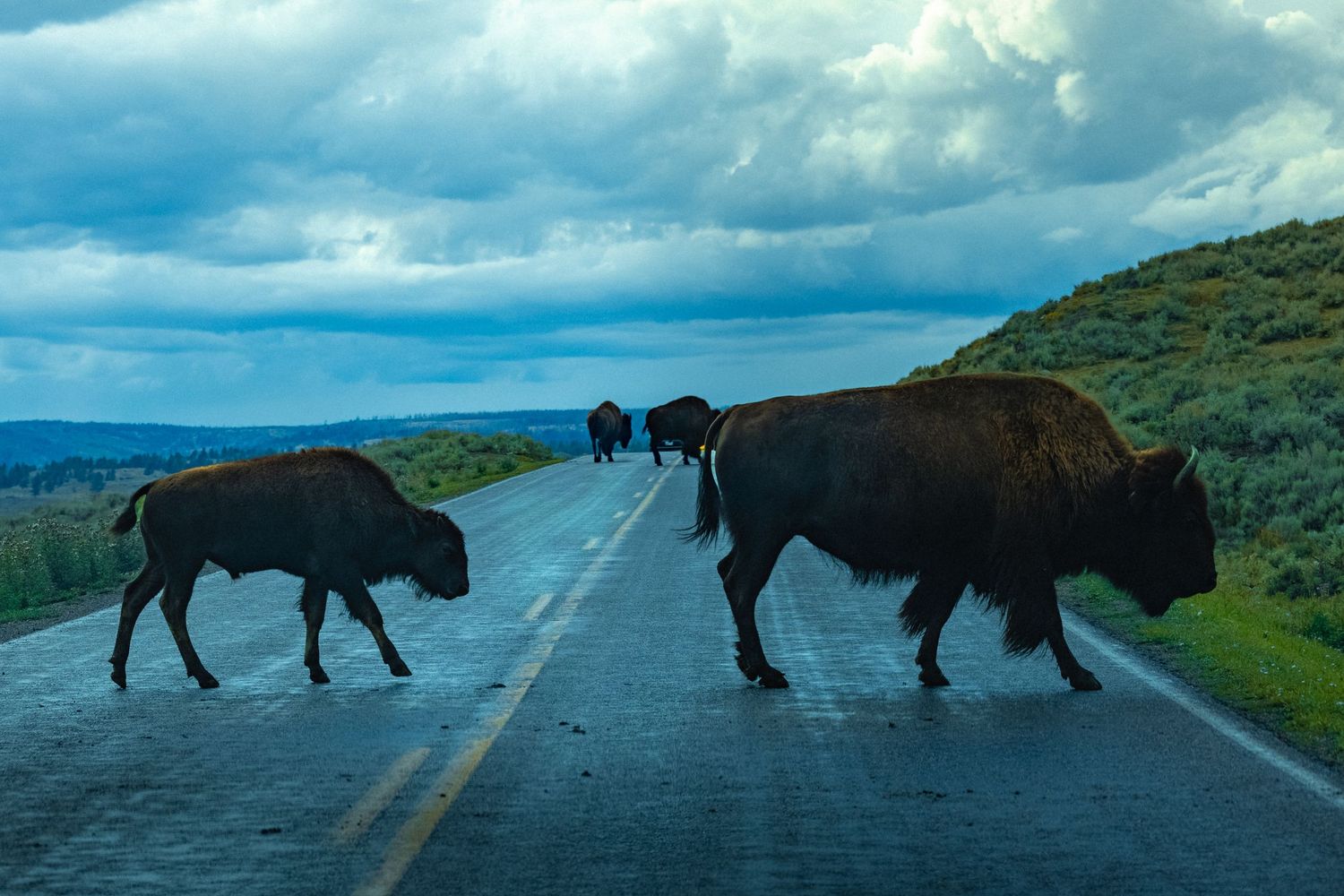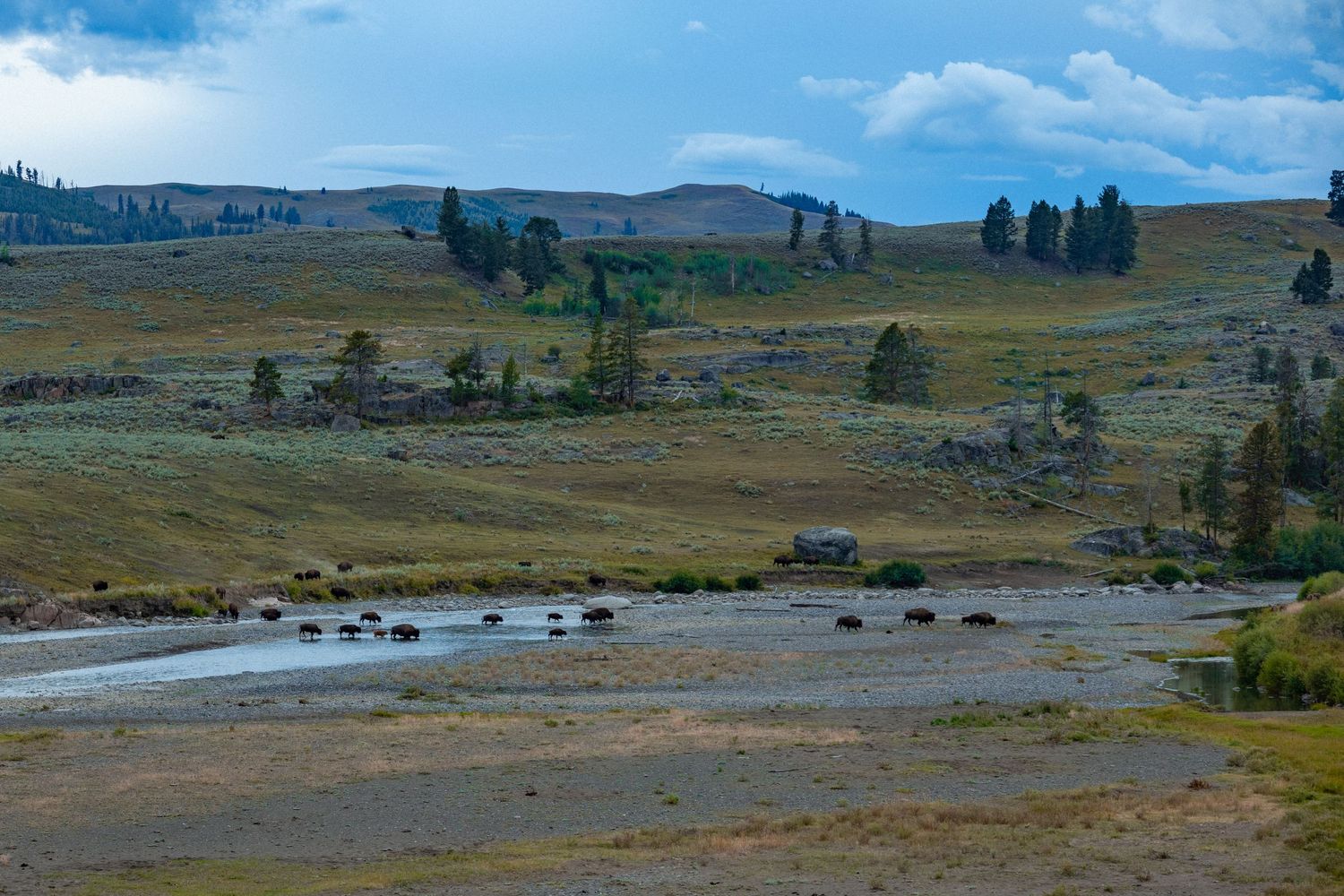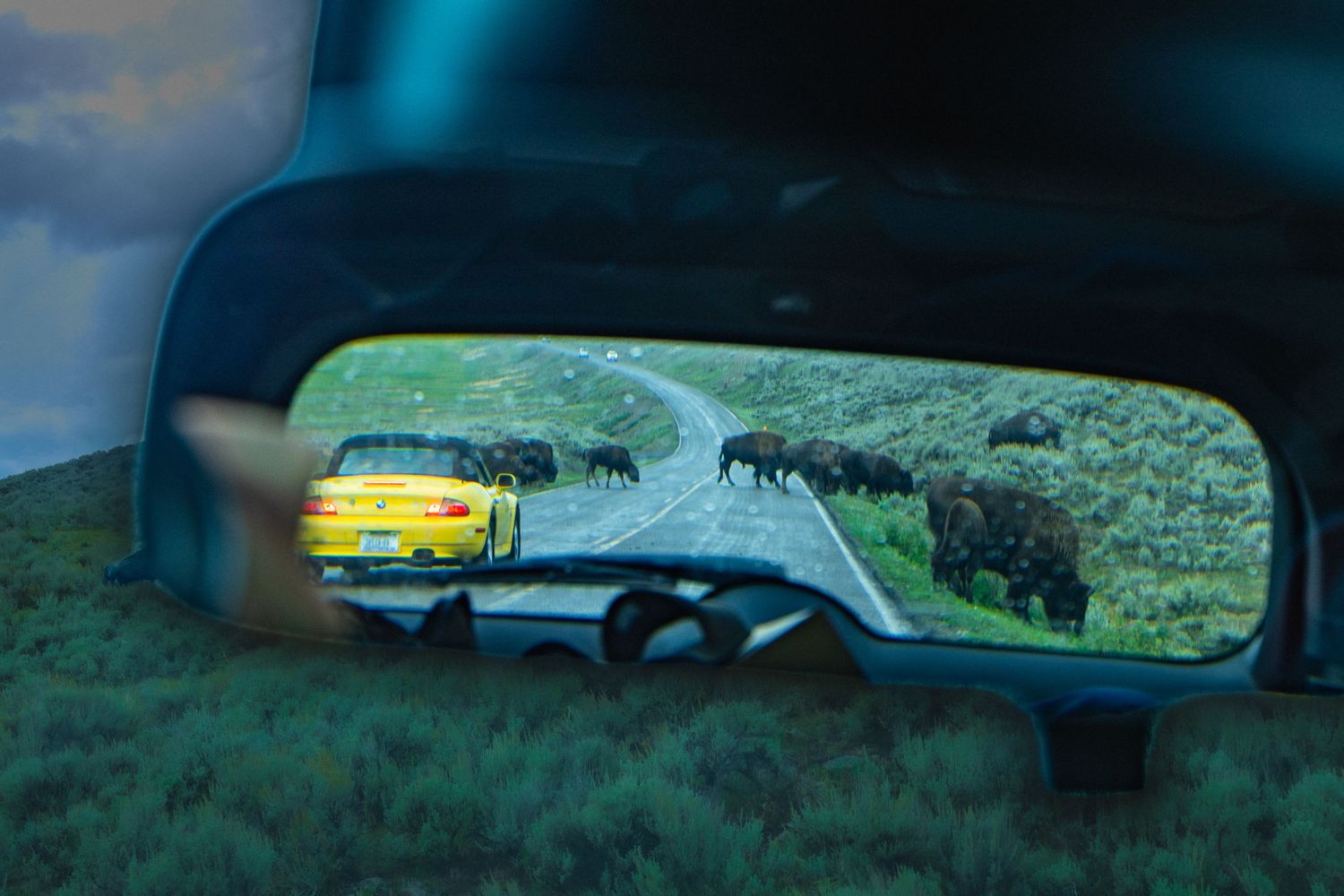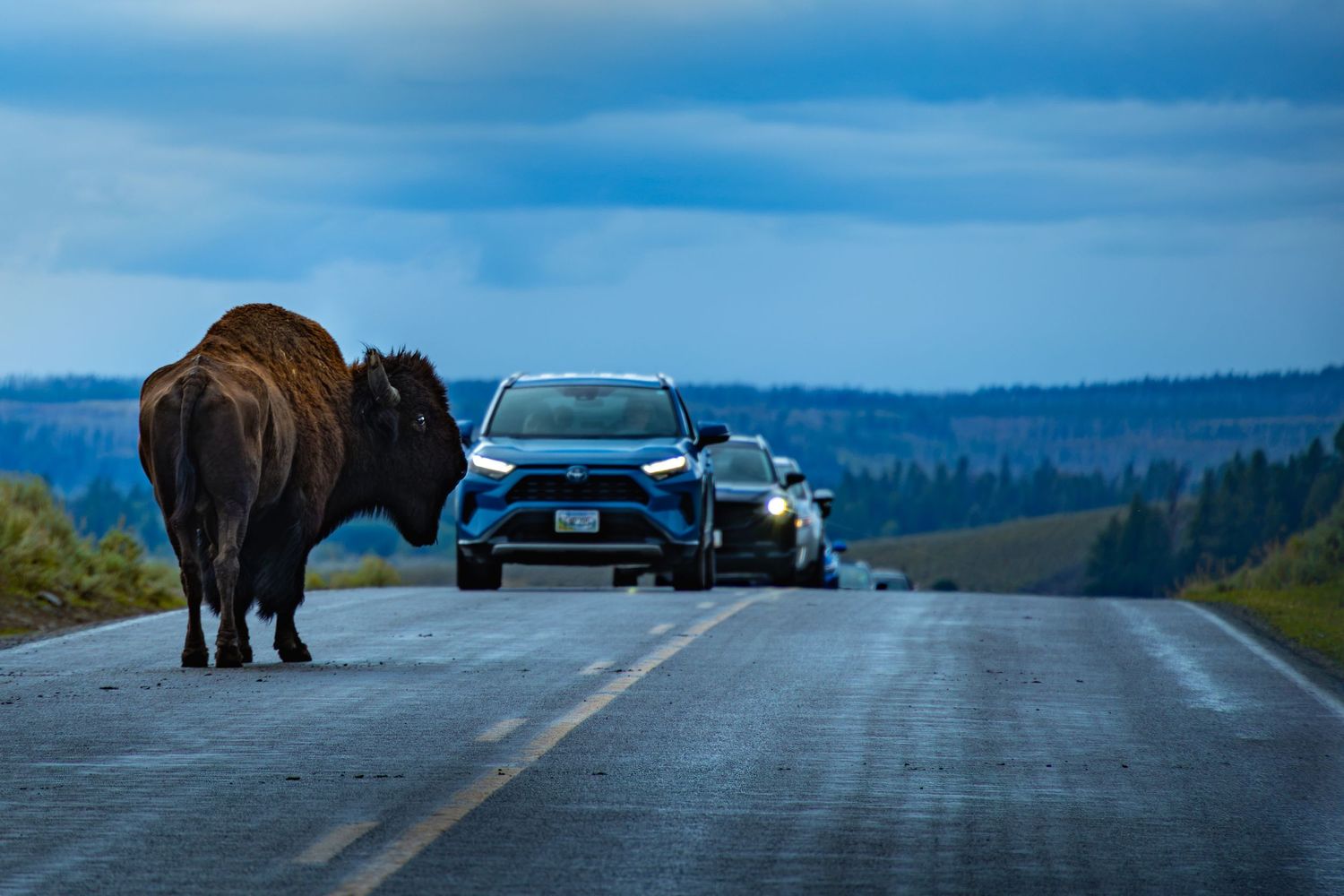
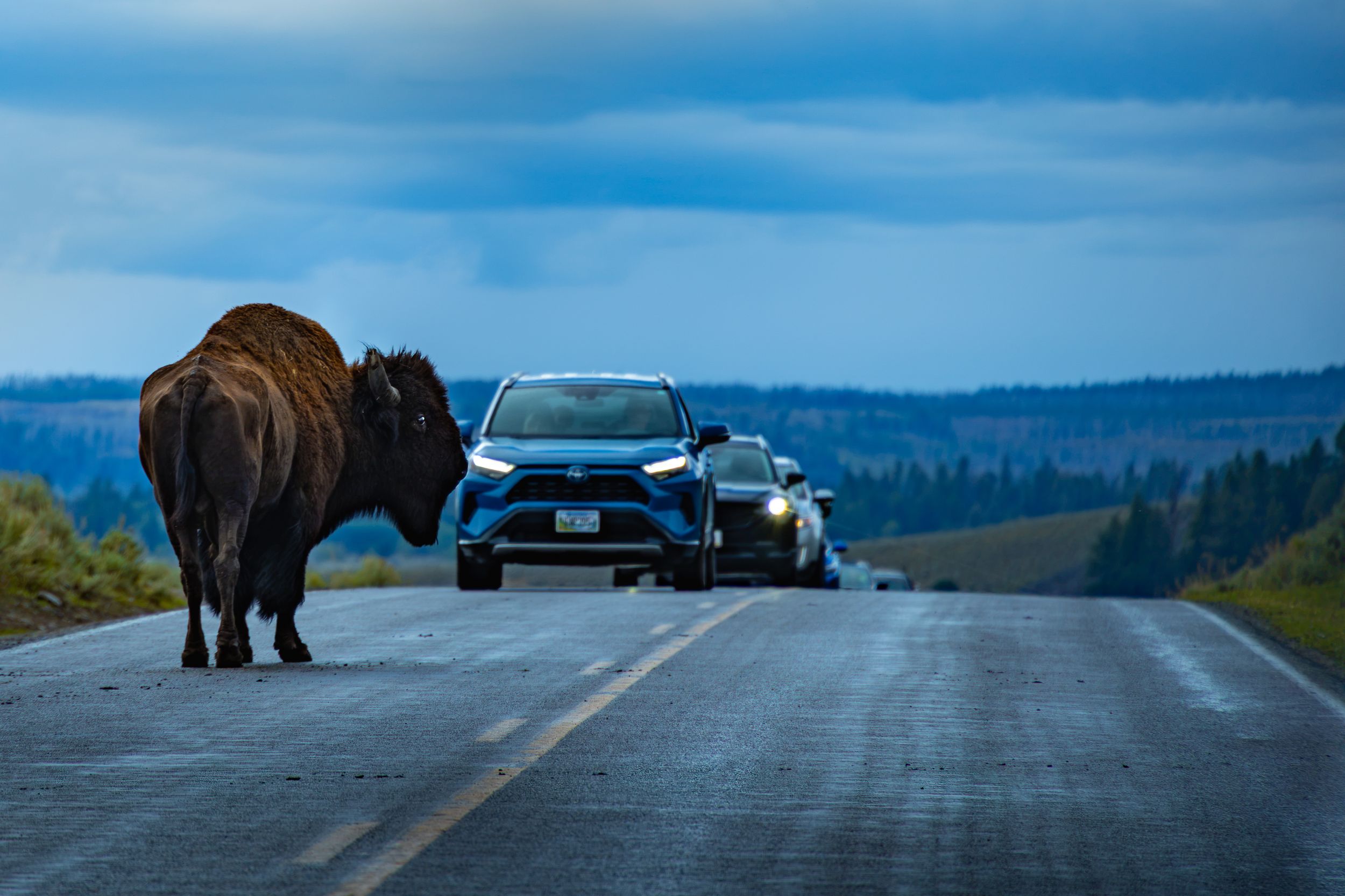
Bison (and the humans who get too close to them) have been getting a bad rap lately. You hear about it when something goes wrong. But no-drama close encounters with these beasts are quite common. Give them the right of way. Do not irritate them. If their tails go up in the air, they are grumpy and may be preparing to end you.
The missing context? In Yellowstone National Park, Bison are eeeeeverywhere.
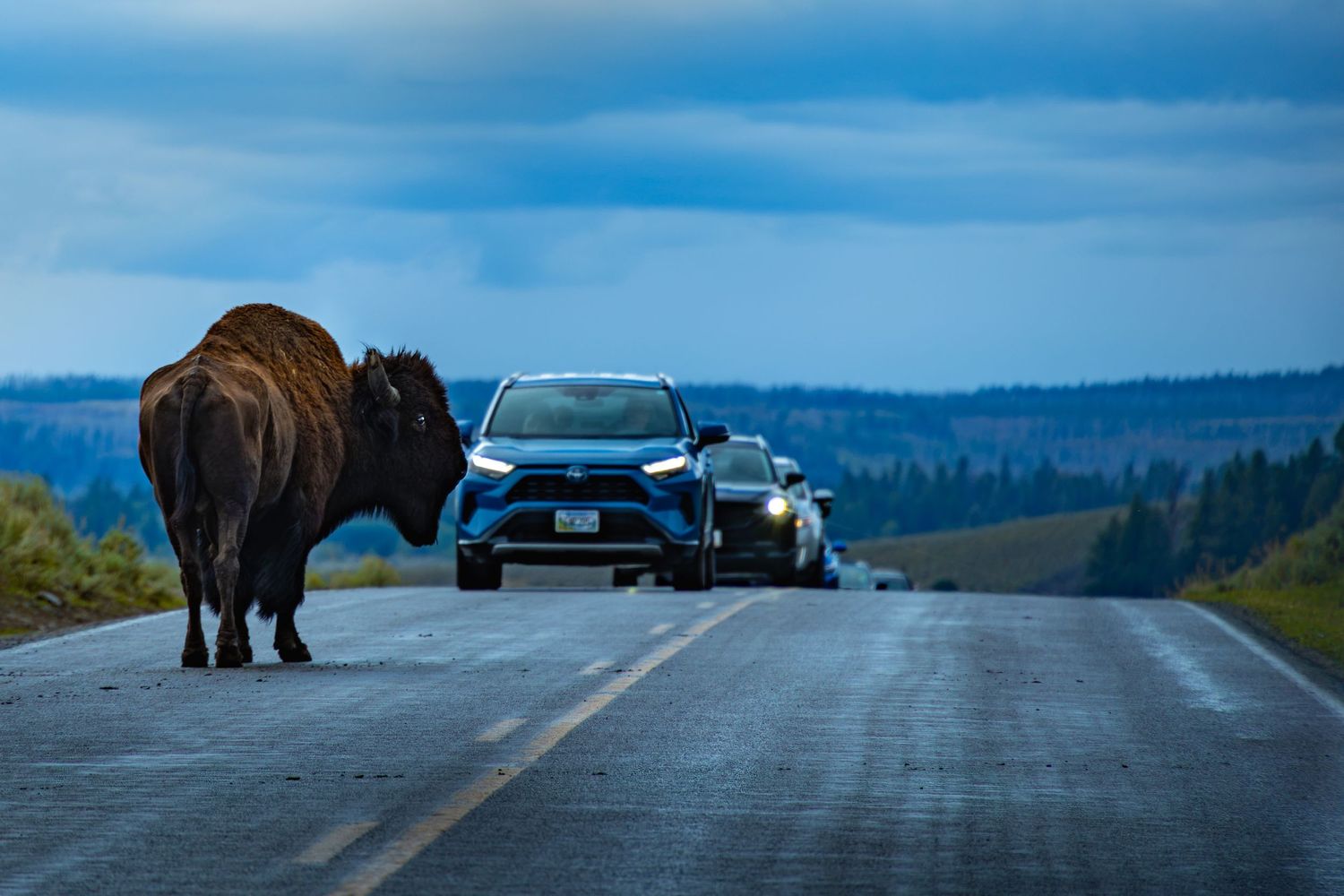
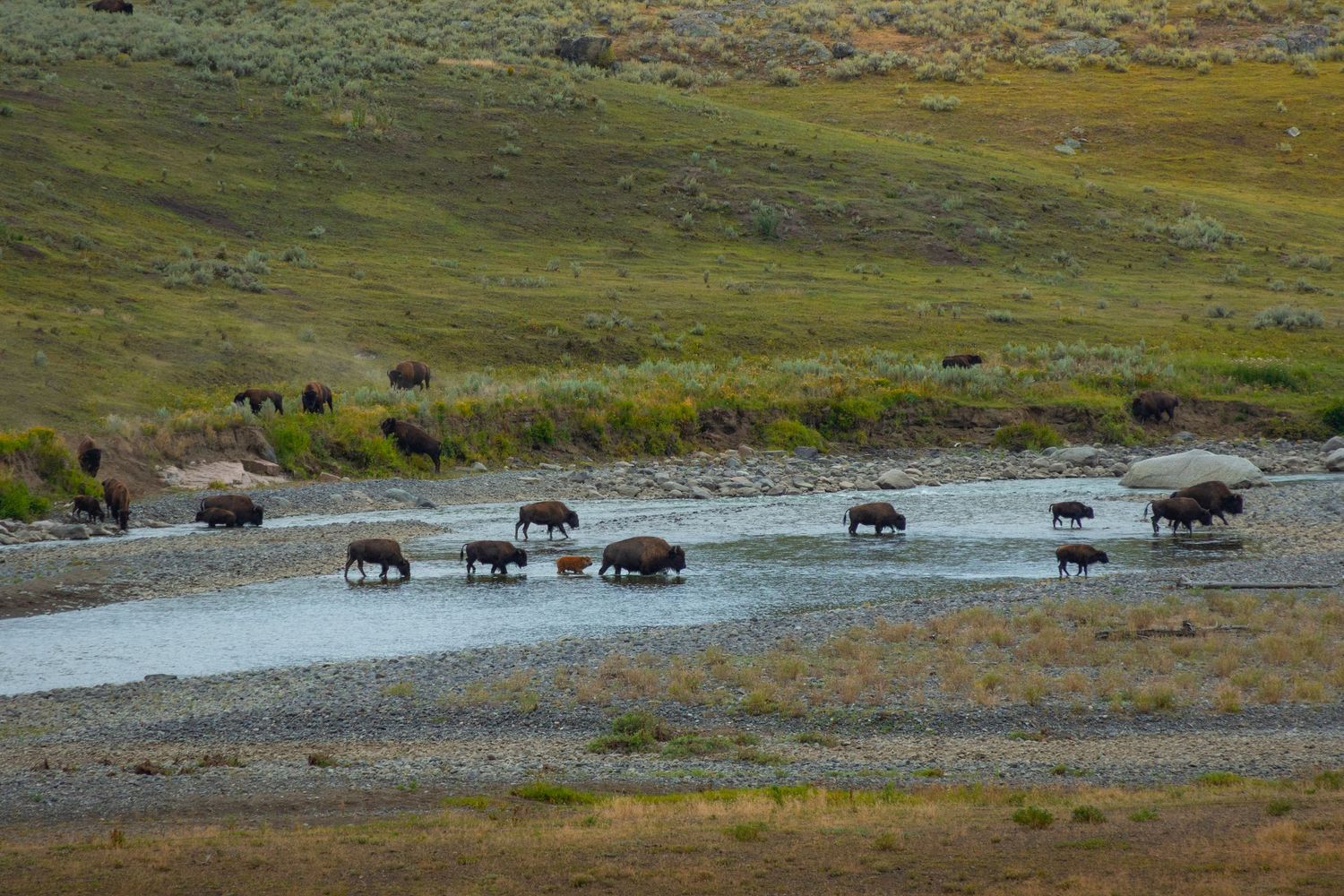
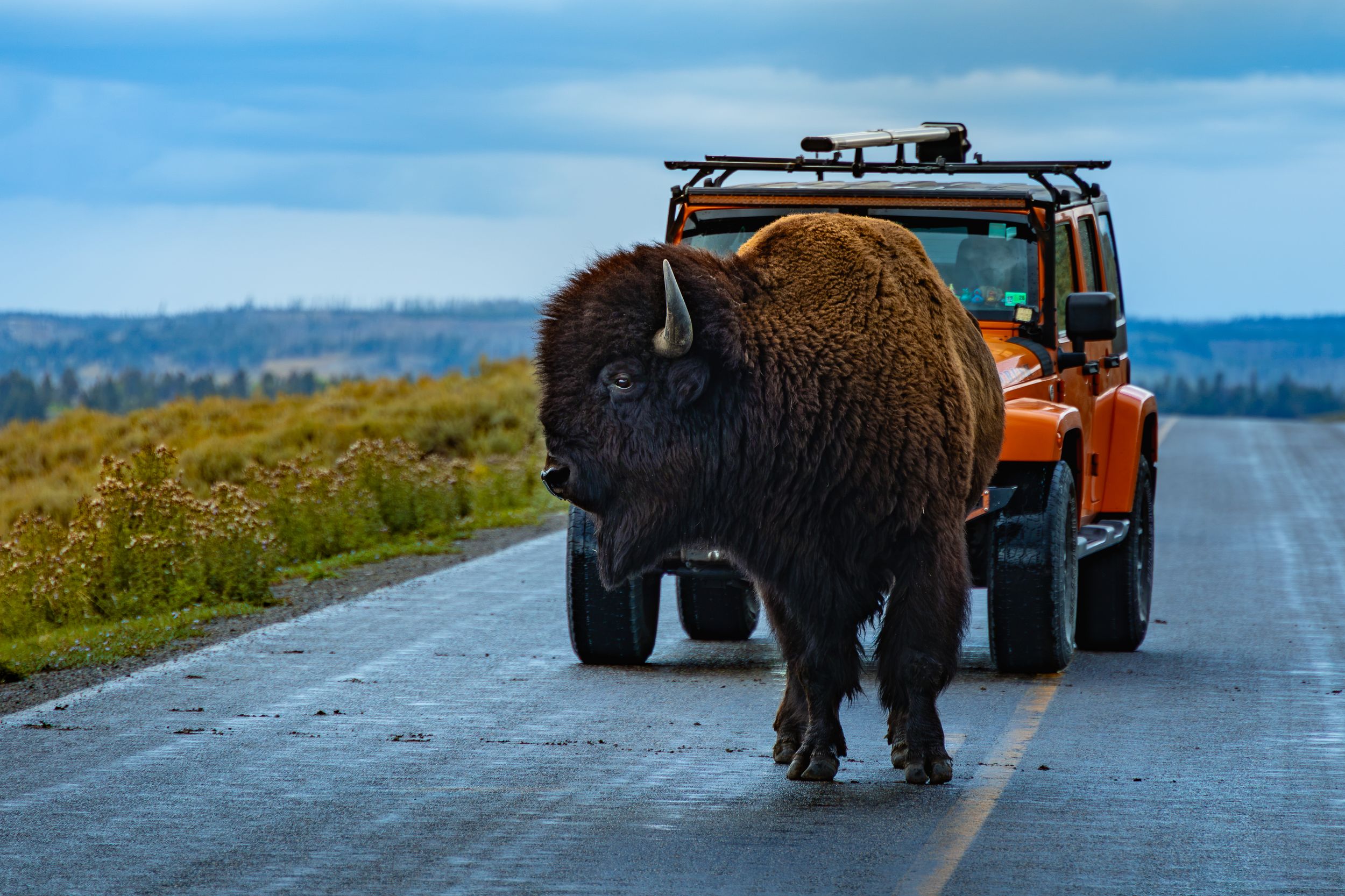
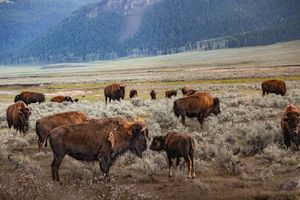
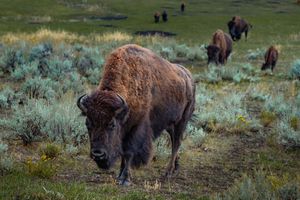
Are there too many? That, it turns out, is a controversial question. In this blog, I'll share a summary of a recently dismissed lawsuit, and pictures of the seven times bison crossed the road in front of me in two days at Yellowstone.
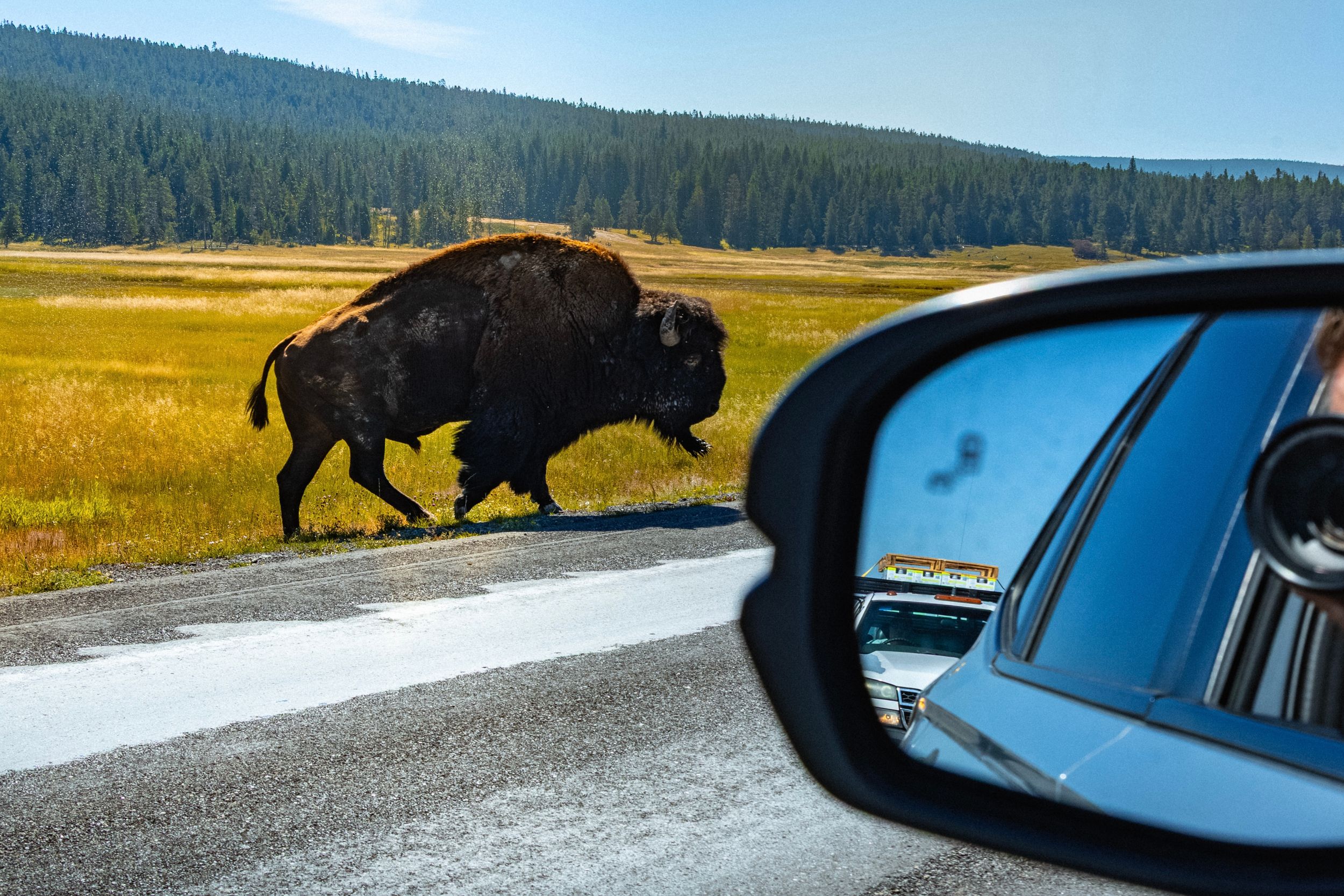
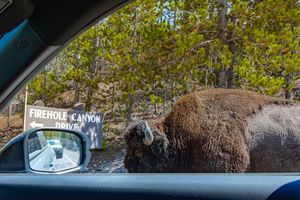
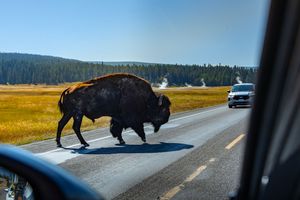
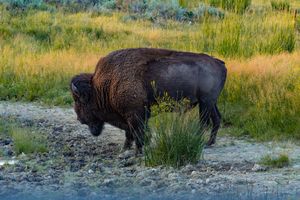
State of Montana v. Haaland
On New Year's Eve 2024, the state of Montana sued the federal government over Yellowstone's new bison management plan, adopted earlier that year. The plan allows for roughly 5,000 bison in the park and expands opportunities for tribal nations to restore brucellosis-free bison to their lands.
Montana argued the plan permitted too many animals and that the Park Service made its decision without the consultation with the state that federal law requires — demanding instead that the herd be held below 3,000, about 40 percent smaller than the plan allows, and that bison be vaccinated against brucellosis. The Fort Peck Assiniboine and Sioux Tribes, the Confederated Salish and Kootenai Tribes, and several conservation groups intervened to defend the plan. The case was consolidated with a separate suit from the Alliance for the Wild Rockies, which attacked the same plan from the opposite direction. On September 15, 2026, Montana and the Interior Department jointly moved to dismiss. The 2024 plan stays in place while the Park Service prepares a supplemental environmental review.
The 2025 pre-calving estimate was nearly 5,300 bison, and the park's population has ranged between 3,500 and 6,000 in recent years. It is the largest bison population on public land in the country, and the only place in the United States where bison have lived continuously since prehistoric times. Genetic work published in 2025 found that what were once two separate herds now function as a single, interbreeding, genetically healthy population.
The state's argument rests on brucellosis — a disease that can cause cattle to abort — and on sovereignty. Bison that leave the park in winter enter Montana rangeland, and the state argued the federal government set the herd size without adequately consulting the agency that has to live with the consequences. Montana's position has long been that the park is managing an animal whose range doesn't stop at the boundary, and that the cost of that decision falls on ranchers who didn't make it.
The tribes and conservation groups argue the plan is still too restrictive, not too permissive — and that its premise is outdated. Documented brucellosis transmission to cattle in Montana has come from elk, not bison, and the Alliance for the Wild Rockies contends the plan rests on assumptions that thousands of bison must be culled to prevent infections that bison aren't causing.
The tribal argument runs on a separate track: Yellowstone bison are among the last genetically pure descendants of the herds that once covered the continent, and the quarantine program at Fort Peck — which received 200 animals from the park this year — is how those bison get returned to Indian Country under treaty obligations.
The case was dropped in September 2026, just a couple weeks after my visit to the park.